Arlo Video Doorbell 2nd Generation Review: Is It Worth the Money?
Your front door deserves better protection. Package thieves and unexpected visitors can ruin your day, but what if you could see them coming from anywhere?
The Arlo Video Doorbell 2nd Generation promises to be your eyes at the door, but does it actually deliver? Let me walk you through everything you need to know about this popular smart doorbell that has everyone talking.
This review digs deep into the real-world performance of the Arlo Video Doorbell 2nd Generation. I will share honest insights about its strengths and weaknesses, helping you decide if this is the right doorbell for your home security needs.
In a Nutshell:
- Crystal clear 2K video quality lets you see every detail at your doorstep. The 2K resolution (1944 x 1944 pixels) captures faces and package details with impressive clarity, making it easy to identify visitors even when you zoom in.
- Flexible installation options work for every home. You can choose wireless battery operation for easy DIY setup or connect it to your existing doorbell wiring for continuous power. This flexibility means you don’t need to hire an electrician.
- Smart detection features reduce false alerts significantly. The doorbell recognizes people, vehicles, packages, and animals, sending you accurate notifications instead of alerting you every time a leaf blows by.
- Wide 180-degree field of view captures your entire porch area. The square aspect ratio provides head-to-toe coverage, so you can see everything from a visitor’s face down to packages left at your feet.
- Subscription required for advanced features might be a dealbreaker for some. While you get live view for free, video recording, smart alerts, and cloud storage require an Arlo Secure subscription starting at around $5 monthly.
- Battery life varies based on usage but typically lasts several months. Heavy usage areas might see 3 to 6 months between charges, while quieter locations can stretch it even longer.


Last update on 2026-09-19 / Affiliate links / Images from Amazon Product Advertising API Some of the links on this website are affiliate links, which means that at no additional cost to you, I earn a commission if you click through and make a purchase. I only recommend products and services that I believe will add value to my readers. Thank you for your support!
Arlo Video Doorbell 2nd Generation Overview
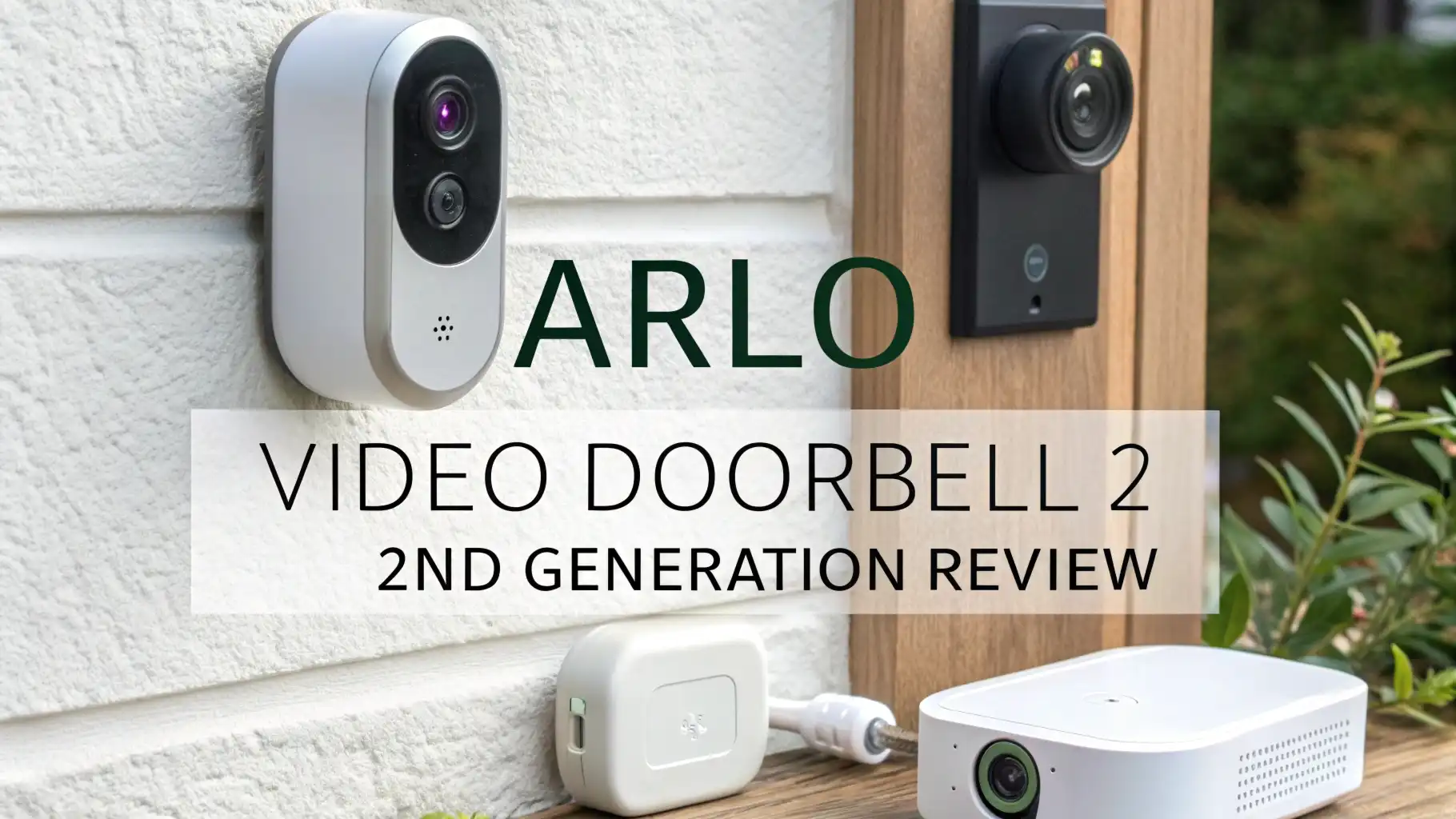
The Arlo Video Doorbell 2nd Generation arrives as a significant upgrade to the original model. This smart doorbell packs serious technology into a sleek white housing that fits most home aesthetics. Arlo designed this device to work as a standalone security solution or as part of a larger Arlo ecosystem.
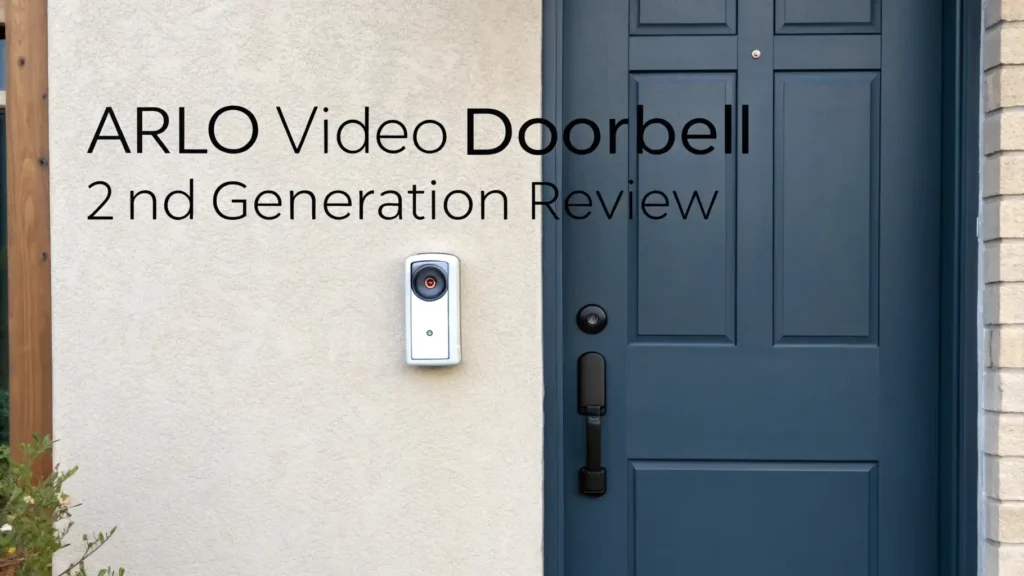
The doorbell measures compact enough to replace your traditional doorbell without looking bulky. Its modern design features a prominent camera lens and a responsive button that lights up when pressed. The build quality feels solid, with weather-resistant construction rated to withstand rain, snow, and temperature extremes.
What sets this second generation apart is the improved video quality and enhanced smart features. Arlo listened to customer feedback and addressed many first-generation complaints. The result is a more polished product that competes directly with industry leaders like Ring and Nest.
Video Quality and Camera Performance
The 2K resolution truly impresses during both day and night conditions. Video footage appears sharp and detailed, allowing you to read house numbers across the street or identify faces clearly. The camera automatically adjusts to different lighting conditions, maintaining good image quality throughout the day.
HDR support means the doorbell handles challenging lighting situations well. When bright sunlight creates harsh shadows on your porch, HDR balances the exposure so you can still see details in both bright and dark areas. This feature proves invaluable during sunrise and sunset hours.
Night vision switches on automatically when darkness falls. The infrared LEDs illuminate your porch without creating a visible glow that might disturb neighbors. Night footage appears in black and white but remains clear enough to identify people and read text.
The 180-degree viewing angle captures significantly more area than typical doorbells. This ultra-wide perspective lets you see packages left to the side of your door and monitor your entire porch area. The square aspect ratio eliminates the fisheye distortion common in other wide-angle doorbells.
Smart Detection and Alert Features
Smart object detection separates this doorbell from basic models. The AI-powered recognition identifies people, vehicles, packages, and animals with impressive accuracy. This means you receive meaningful notifications instead of constant alerts for passing cars or swaying trees.
Package detection proves particularly useful for online shoppers. The doorbell sends an alert when it detects a package delivery, helping you retrieve items quickly before porch pirates strike. This feature alone justifies the cost for many users who receive frequent deliveries.
Person detection works reliably in most lighting conditions. The doorbell distinguishes between adults and children, and it can even recognize familiar faces if you enable that feature. You can create custom activity zones to focus monitoring on specific areas like your walkway or driveway.
Vehicle detection alerts you when cars pull into your driveway. This feature helps families track when teenagers arrive home or alerts you to unexpected vehicles. You can customize which types of motion trigger alerts, reducing notification fatigue.
Top 3 Alternatives for Arlo Video Doorbell 2nd Generation

Last update on 2026-09-19 / Affiliate links / Images from Amazon Product Advertising API Some of the links on this website are affiliate links, which means that at no additional cost to you, I earn a commission if you click through and make a purchase. I only recommend products and services that I believe will add value to my readers. Thank you for your support!

Last update on 2026-09-19 / Affiliate links / Images from Amazon Product Advertising API Some of the links on this website are affiliate links, which means that at no additional cost to you, I earn a commission if you click through and make a purchase. I only recommend products and services that I believe will add value to my readers. Thank you for your support!

Last update on 2026-09-19 / Affiliate links / Images from Amazon Product Advertising API Some of the links on this website are affiliate links, which means that at no additional cost to you, I earn a commission if you click through and make a purchase. I only recommend products and services that I believe will add value to my readers. Thank you for your support!
Two-Way Audio and Communication
The full-duplex two-way audio lets you have natural conversations with visitors. Unlike half-duplex systems where only one person can speak at a time, this doorbell allows simultaneous talking and listening. Conversations feel more natural, like talking through an open door.
Audio quality sounds clear on both ends in most conditions. Your voice comes through the doorbell speaker with good volume and clarity. Visitors hear you easily, even with background noise like traffic or wind. The noise cancellation helps filter out ambient sounds.
The built-in speaker delivers sufficient volume for most situations. People standing at your door will hear you clearly, though the volume might struggle in extremely noisy environments. You can adjust speaker volume through the app to find the right balance.
Pre-recorded quick responses let you communicate even when you cannot speak. The doorbell can play messages like “Leave the package at the door” or “I will be right there” with a single tap. You can customize these messages to fit your needs.
Battery Life and Power Options
Battery performance varies significantly based on activity levels at your door. Homes with frequent motion events might see 3 to 4 months between charges, while quieter locations can stretch battery life to 6 months or more. Cold weather reduces battery life, as with all rechargeable batteries.
The removable battery design allows charging without removing the entire doorbell. You simply pop off the faceplate, remove the battery pack, and charge it via USB-C cable. The included cable connects to any standard USB power adapter.
Charging takes approximately 4 to 6 hours for a full charge. You can purchase a spare battery to swap in while the other charges, eliminating downtime. This proves especially useful for high-traffic areas where you cannot afford to be without doorbell coverage.
Wired operation provides continuous power and faster streaming. When connected to existing doorbell wiring (8-24V AC), the battery stays charged automatically. The doorbell can also perform better with wired power, delivering faster notifications and more responsive live view.
Installation Process and Setup
Wireless installation requires no tools beyond the included mounting hardware. The process involves marking drill holes, inserting anchors, screwing in the mounting bracket, and attaching the doorbell. Most people complete wireless installation in 15 to 20 minutes.
Wired installation adds complexity if you replace an existing doorbell. You need to turn off power at your breaker, remove the old doorbell, connect wires to the Arlo doorbell, and mount it. The doorbell works with most standard doorbell transformers (8-24V AC).
The Arlo Secure app guides you through setup with clear instructions. You scan a QR code on the doorbell, connect it to your WiFi network, and customize settings. The app prompts you through each step, making the process straightforward even for non-technical users.
WiFi requirements demand attention during installation. The doorbell needs a strong 2.4GHz WiFi signal to function properly. It does not support 5GHz networks, which limits performance in homes with weak 2.4GHz coverage. Consider a WiFi extender if your router sits far from your front door.
Mobile App Experience and Controls
The Arlo Secure app serves as your command center for all doorbell functions. The interface feels intuitive, with clear icons and straightforward navigation. You can access live view, recorded clips, settings, and notifications from the main dashboard.
Live streaming launches quickly when you tap the doorbell feed. The app displays video with minimal delay, letting you see what is happening at your door in near real-time. You can speak to visitors through the app while viewing the live stream.
Push notifications arrive promptly when the doorbell detects activity. You can customize notification sounds and vibration patterns to distinguish doorbell alerts from other app notifications. Rich notifications show a thumbnail preview of what triggered the alert.
The app lets you review motion-triggered clips stored in the cloud. You can scrub through footage, download important clips to your phone, and share clips via text or email. The timeline view helps you quickly locate specific events.
Cloud Storage and Subscription Plans
Arlo Secure subscription unlocks the doorbell’s full potential. Without a subscription, you can only view live streams. Video recording, smart notifications, activity zones, and cloud storage all require a paid plan. This represents a significant ongoing cost beyond the initial hardware purchase.
The Secure plan starts at approximately $5 monthly for a single camera. This tier includes 30 days of cloud storage, advanced object detection, and activity zones. The price increases for plans covering multiple cameras or extended storage periods.
Secure Plus costs more but adds features like 24/7 emergency response and extended warranty coverage. This plan suits users who want comprehensive monitoring and peace of mind. Family plans covering unlimited cameras provide better value for multi-camera households.
Cloud storage eliminates the need for local storage devices. Your clips stay accessible from anywhere with internet access. However, this creates dependency on Arlo’s servers and ongoing subscription payments to access your recorded footage.
Integration with Smart Home Platforms
Amazon Alexa integration works seamlessly with Echo devices. You can ask Alexa to show your front door on Echo Show displays or announce doorbell presses through Echo speakers. Alexa routines can trigger smart lights or locks when the doorbell detects motion.
Google Assistant support exists but feels limited. You can view the doorbell feed on Google Nest Hub displays, but functionality lags behind Alexa integration. Google Home automation options remain basic compared to what Alexa users enjoy.
Apple HomeKit compatibility remains notably absent. iPhone users can still use the Arlo app, but they cannot integrate the doorbell into Apple Home automation or view feeds in the Home app. This represents a significant limitation for Apple ecosystem users.
IFTTT support expands automation possibilities. You can create custom applets that connect your Arlo doorbell to hundreds of other smart devices and services. This opens creative automation options beyond what official integrations provide.
The doorbell works with other Arlo devices like cameras, lights, and the Arlo Home Security System. Creating a unified Arlo ecosystem provides seamless automation and centralized control through a single app.
Weatherproofing and Durability
The weather-resistant design handles outdoor conditions reliably. Arlo rates the doorbell for operation in temperatures from -4°F to 113°F, covering most climate zones. The sealed housing protects internal components from rain, snow, and humidity.
Real-world testing shows the doorbell survives harsh weather. Users report reliable operation through rainstorms, snowstorms, and summer heat waves. The camera lens sheds water quickly, preventing drops from obscuring the view during rain.
The button remains responsive even in cold weather. Some users report the doorbell slows down in extreme cold, but functionality returns when temperatures rise. Battery life decreases in cold conditions, a common limitation of all battery-powered devices.
Build quality feels solid and professional. The plastic housing resists impacts and does not feel cheap or fragile. The mounting bracket holds the doorbell securely, even in windy conditions. The overall construction inspires confidence in long-term durability.
Theft concerns exist with wireless doorbells. While the mounting system holds securely, a determined thief could remove the device. Arlo offers theft replacement guarantees with certain subscription plans, providing peace of mind if someone steals your doorbell.
Comparing 2nd Generation to Original Arlo Doorbell
The 2K resolution represents the most obvious upgrade. The original Arlo doorbell maxed out at 1536 x 1536 pixels, while the second generation jumps to 1944 x 1944 pixels. This increase delivers noticeably sharper video that handles digital zoom better.
Improved motion detection reduces false alerts significantly. The upgraded AI better distinguishes between relevant activity and environmental motion. Second-generation owners report fewer nuisance notifications compared to first-generation experiences.
The USB-C charging replaces the micro-USB port from the original model. This modern standard charges faster and features a reversible connector. The change reflects Arlo keeping pace with current technology standards.
Enhanced night vision performs better in low-light conditions. The second generation produces clearer night footage with better contrast and detail. The improvements matter most for homes with limited outdoor lighting.
Common Issues and Troubleshooting
WiFi connectivity problems top the list of user complaints. The doorbell requires strong 2.4GHz WiFi signal, and connection drops can prevent notifications and recording. Moving your router closer, adding a WiFi extender, or upgrading your network equipment usually resolves these issues.
Battery drain concerns plague some users. High-traffic areas or aggressive motion detection settings deplete batteries quickly. Adjusting sensitivity, reducing video quality, or switching to wired operation helps manage battery consumption.
Delayed notifications frustrate users expecting instant alerts. Several factors contribute to delays, including internet speed, phone settings, and server processing time. Typical delays range from 5 to 15 seconds, though optimized setups perform faster.
Chime compatibility causes confusion during wired installation. The Arlo doorbell works with most mechanical chimes but may have issues with digital or electronic chimes. Arlo sells a compatible chime separately if your existing chime does not work.
Pros and Cons Breakdown
Advantages include exceptional 2K video quality that captures fine details clearly. The flexible installation options suit renters and homeowners equally. Smart object detection reduces alert fatigue by filtering out irrelevant motion. The wide 180-degree view eliminates blind spots on your porch.
The wireless operation eliminates complex wiring requirements. Battery life stretches multiple months in typical use cases. Weather-resistant construction handles extreme conditions reliably. Strong Alexa integration appeals to Amazon ecosystem users.
Disadvantages center on the subscription requirement. Core features like video recording and smart alerts require ongoing payments. This represents a significant long-term cost that budget-conscious buyers should consider carefully.
Limited smart home compatibility disappoints Google and Apple users. The lack of HomeKit support excludes iPhone users from native integration. Battery performance in cold weather falls short of summer performance. Some users report inconsistent motion detection in certain lighting conditions.
Frequently Asked Questions
Does the Arlo Video Doorbell 2nd Generation work without a subscription?
Yes, the doorbell functions without a subscription, but with major limitations. You can view live video streams and receive basic motion alerts for free. However, video recording, cloud storage, smart object detection, activity zones, and premium notifications all require an Arlo Secure subscription. For most users, the subscription unlocks the features that make a smart doorbell valuable.
How long does the battery last on the Arlo Video Doorbell 2nd Generation?
Battery life varies from 3 to 6 months depending on activity levels and settings. High-traffic areas with frequent motion events drain batteries faster. Cold weather reduces battery performance significantly. You can extend battery life by reducing video quality, adjusting motion sensitivity, or connecting to wired power for continuous charging.
Can I use the Arlo doorbell with my existing chime?
The Arlo Video Doorbell 2nd Generation works with most traditional mechanical chimes when hardwired. Digital or electronic chimes may not function properly. Arlo sells a compatible smart chime separately that works with wireless installations. The app also provides notification options if your existing chime proves incompatible.
Is the Arlo Video Doorbell 2nd Generation compatible with 5GHz WiFi?
No, the doorbell only connects to 2.4GHz WiFi networks. This limitation affects homes relying primarily on 5GHz networks for better performance. While 2.4GHz offers better range, it typically delivers slower speeds and more interference than 5GHz. Ensure your router broadcasts a strong 2.4GHz signal near your front door.
Does the Arlo doorbell work with Google Home or Apple HomeKit?
The doorbell offers limited Google Assistant integration for viewing video feeds but lacks deep automation features. Apple HomeKit support does not exist, preventing integration with Apple Home. Amazon Alexa provides the best smart home integration experience with this doorbell.
Can I install the Arlo Video Doorbell 2nd Generation myself?
Yes, DIY installation takes most people 15 to 30 minutes. Wireless installation requires only basic tools like a drill and screwdriver. Wired installation demands more care, including turning off power at your breaker. The Arlo app guides you through the entire setup process with clear instructions and videos.
What happens to my recordings if I cancel my Arlo subscription?
Your existing recorded clips remain accessible for the duration covered by your last subscription payment. After your subscription expires, the doorbell stops recording new clips to cloud storage. You can still view live video streams, but you lose access to historical footage and advanced features after cancellation.
How does the Arlo doorbell compare to Ring and Nest doorbells?
The Arlo offers superior 2K video quality compared to many Ring models and competitive battery life. Ring provides better smart home integration and a wider accessory ecosystem. Nest doorbells excel at facial recognition and Google ecosystem integration but cost more upfront. Arlo falls between these competitors in price and features.
Hello everyone my name is Alenya and i am a gadget discovering Enthusiast 🐻🐻