9 Best AI Noise Sensors for Peaceful Apartment This Christmas
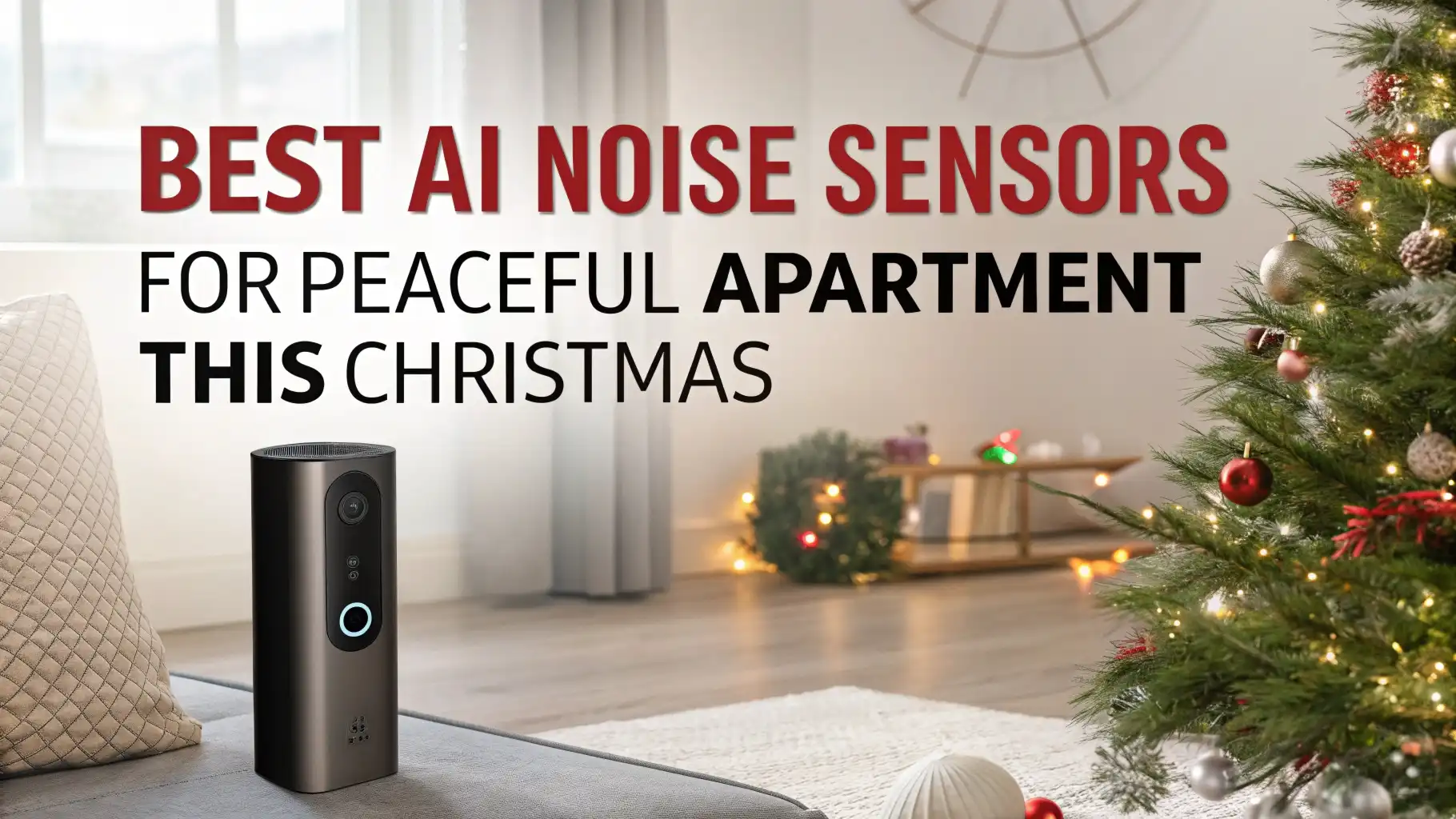
Living in an apartment can be wonderful until noise becomes an issue. Whether you deal with loud neighbors, street traffic, or just want to monitor sound levels in your own space, AI noise sensors have become essential tools for modern apartment dwellers.
This Christmas, investing in a quality noise monitoring device can transform your living experience and help you maintain peace and quiet.
These smart devices do more than just measure sound. They use advanced artificial intelligence to detect patterns, send alerts, and help you document noise disturbances.
Key Takeaways
- Peace of mind through technology: AI noise sensors give you real time monitoring of sound levels in your apartment, helping you understand when noise exceeds acceptable limits and providing concrete evidence if you need to address issues with neighbors or management.
- Smart alerts keep you informed: Modern noise sensors connect to your smartphone and send instant notifications when sound levels spike, allowing you to take action quickly whether you’re home or away from your apartment.
- Data driven solutions: These devices record and log noise data over time, creating detailed reports that show patterns and trends, which proves invaluable when dealing with persistent noise problems or lease disputes.
- Easy installation for renters: Most noise sensors require no drilling or permanent installation, making them perfect for apartment living where you cannot make structural changes to the property.
- Multiple monitoring options: From portable handheld meters to wall mounted displays and smart WiFi enabled sensors, there is a noise monitoring solution for every apartment situation and budget range.
- Privacy safe technology: Quality noise sensors measure decibel levels without recording actual conversations or sounds, protecting everyone’s privacy while still monitoring noise disturbances effectively.
TopTes TS-501B Digital Decibel Meter

The TopTes TS-501B stands out as a best selling choice for apartment dwellers who want reliable noise monitoring without breaking the bank. This portable sound level meter features a clear 2.25 inch backlit LCD screen that displays readings even in low light conditions.
The device measures sound levels from 30 to 130 decibels, covering everything from whisper quiet rooms to construction site noise levels. Its A and C weighted measurement modes provide professional grade accuracy for documenting noise disturbances. The MAX MIN function helps you capture peak noise events, while the data hold feature freezes readings for easy recording.
What makes this meter particularly useful for apartment living is its compact portable design. You can easily move it from room to room to identify where noise enters your space. The fast and slow response modes let you measure both sudden loud noises and sustained sound levels with equal accuracy.
Pros:
Professional accuracy at an affordable price point
Clear backlit display readable in any lighting
Compact size perfect for apartment use
MAX MIN functions capture important data points
Long battery life for extended monitoring
Cons:
No WiFi connectivity for remote monitoring
Manual data recording required
Cannot log data over extended periods
No smartphone app integration
Smart Noise Monitoring Device for Rentals

This dedicated noise monitoring device brings professional property management technology into your apartment. Designed specifically for rental properties, it monitors noise levels, occupancy, motion, and temperature all in one compact unit.
The device focuses on privacy safe monitoring, measuring decibel levels without recording actual audio. This makes it ideal for shared living spaces where you want to track noise without invading anyone’s privacy. The sensor connects to your WiFi network and sends real time alerts to your smartphone when sound levels exceed your custom thresholds.
Installation takes just minutes with no drilling or permanent mounting required. The sleek modern design blends into any apartment decor. You can place it on a shelf, mount it temporarily, or position it anywhere in your living space for optimal monitoring coverage.
Pros:
Multi function monitoring beyond just noise
Privacy safe technology respects everyone’s space
Real time smartphone alerts keep you informed
No permanent installation needed for renters
Professional grade accuracy and reliability
Cons:
Higher price point than basic meters
Requires stable WiFi connection
Subscription may be needed for advanced features
Learning curve for full feature utilization
Minut Property Monitoring Sensor

The Minut sensor has earned its reputation as a comprehensive monitoring solution used by thousands of property professionals worldwide. While designed for vacation rentals, it works perfectly for apartment dwellers who want complete environmental awareness.
This single device monitors noise, motion, temperature, and humidity levels simultaneously. The built in security alarm adds an extra layer of protection for your apartment. All data syncs to a user friendly mobile app that provides detailed insights and historical trends.
The Minut’s noise monitoring uses sophisticated algorithms to detect disturbances while maintaining privacy. It measures sound patterns and decibel levels without ever recording actual audio content. This makes it perfect for apartments where you want to monitor your space without raising privacy concerns.
Pros:
Comprehensive multi sensor monitoring capability
Works with vacation rental platforms and smart homes
Detailed historical data and trend analysis
Privacy focused design with no audio recording
Professional grade reliability and accuracy
Cons:
Premium pricing reflects professional features
Requires subscription for full functionality
May offer more features than basic users need
Setup process more complex than simpler meters
Tadeto Digital Sound Level Meter

The Tadeto sound level meter delivers exceptional value for apartment residents who need accurate noise measurements without complicated features. This straightforward device measures sound from 30 to 130 decibels with professional accuracy.
The large LCD display with backlight makes readings easy to see in any lighting condition. A and C weighting options ensure you get accurate measurements for different types of noise. The MAX and data hold functions help you capture important readings that you can document for noise complaints.
This meter shines in its simplicity and reliability. No apps to install, no WiFi to configure, no subscriptions to manage. Just turn it on and get instant accurate readings of the sound levels in your apartment. The compact size fits easily in a drawer when not needed.
Pros:
Extremely affordable for quality performance
Simple operation with no learning curve
Accurate professional grade measurements
Portable design for multi room monitoring
No ongoing costs or subscriptions
Cons:
No data logging or storage capability
Manual recording of readings required
No remote monitoring or alerts
Basic feature set without smart connectivity
RISEPRO Digital Decibel Meter

The RISEPRO meter offers an outstanding balance of affordability and functionality for apartment noise monitoring. With its dual range measurement capability, it handles both quiet background sounds and loud disturbances with equal precision.
This device features automatic power off to preserve battery life, making it ideal for extended monitoring sessions. The backlight ensures visibility in dim apartments or at night when noise issues often peak. The MAX MIN function captures the extremes of sound levels during your monitoring period.
What apartment dwellers appreciate most is the reliable consistent performance at a very accessible price point. The meter provides accurate readings you can trust when documenting noise issues. Its compact form factor means you can keep it handy without taking up valuable space in your apartment.
Pros:
Very affordable entry level pricing
Dual range measurement for versatility
Auto power off saves battery life
Backlit display for nighttime use
Lightweight portable construction
Cons:
Build quality reflects budget pricing
No advanced features or connectivity
Limited to basic decibel measurement
No data storage or logging
Wall Mounted LED Display Noise Meter

This impressive wall mounted unit transforms noise monitoring into a highly visible experience with its large 11 inch LED display. The screen shows not just decibel levels but also temperature and humidity readings, giving you complete environmental awareness.
The alarm icons and indicators provide instant visual feedback about noise conditions. You can set custom thresholds, and when sound exceeds those levels, the display changes to alert you immediately. This constant visibility helps everyone in the apartment stay aware of noise levels.
Perfect for apartments where you want to remind roommates or family members about maintaining reasonable sound levels. The large display is readable from across the room, and the professional appearance adds a modern tech element to your living space. USB powered operation means no battery changes needed.
Pros:
Highly visible large LED display
Multi function environmental monitoring
Visual alarm indicators catch attention
Professional appearance enhances decor
USB power eliminates battery concerns
Cons:
Requires wall mounting or stable placement
Higher visibility may not suit all situations
Price premium for display size
No smartphone connectivity
Professional Data Logger Decibel Meter

For apartment residents who need serious documentation capability, this professional data logger stands out. It can record up to 43,000 data points, creating a comprehensive record of noise patterns over extended periods.
The device features three color alarm indicators that change based on sound levels, providing instant visual feedback. The rechargeable battery means you never need to buy replacements, and USB connectivity lets you export data to your computer for detailed analysis.
This meter works perfectly for building a case about persistent noise issues. The exported data creates professional looking reports you can share with property managers or use in lease disputes. The A and C frequency weighting ensures accurate measurements for different noise types.
Pros:
Massive data storage for long term monitoring
Exportable data for professional documentation
Rechargeable battery for cost savings
Three color alarm system for quick alerts
DC output option for extended applications
Cons:
Higher price reflects professional features
More complex operation than basic meters
Data export requires computer access
May be overkill for simple monitoring needs
Wall Mounted Classroom Style Meter

Originally designed for classroom noise management, this wall mounted meter works beautifully in apartments. The large easy to read display shows current decibel levels from across the room, making it perfect for shared living spaces.
The built in alarm system alerts when noise exceeds your preset thresholds. USB powered operation means reliable continuous monitoring without battery changes. The professional appearance looks right at home in modern apartment settings.
This device excels at creating awareness about sound levels. When roommates can see the noise meter display, they naturally become more conscious of their volume. It is a gentle reminder system that helps maintain harmony without confrontation or constant verbal reminders.
Pros:
Large display visible across rooms
Effective for shared apartment spaces
Built in alarm for threshold violations
USB power for continuous operation
Creates natural noise awareness
Cons:
Requires mounting or stable placement
Limited to visual alerts only
No data logging capability
Basic functionality without smart features
EnnoLogic Professional Noise Logger

The ennoLogic eS528L represents a professional grade solution for apartment residents who need comprehensive noise documentation. This sophisticated meter includes data logging capability with updated software for detailed analysis.
The device records noise levels over time and stores the data internally. You can connect it to your computer to download detailed reports showing exactly when noise occurred and how long disturbances lasted. This comprehensive documentation provides powerful evidence for addressing persistent noise problems.
The 30 to 130 decibel range covers all apartment noise scenarios from quiet conversation to loud parties. MAX MIN and hold functions make capturing important readings simple. The updated software interface makes data analysis straightforward even for non technical users.
Pros:
Professional data logging and recording
Updated software for easy analysis
Comprehensive documentation capability
Accurate across full decibel range
Excellent build quality and reliability
Cons:
Premium pricing for advanced features
Requires computer for full functionality
Learning curve for software features
More complex than casual users may need
Choosing the Right Noise Sensor for Your Apartment
Selecting the perfect noise sensor depends on your specific situation and needs. Consider whether you need basic spot checking of noise levels or comprehensive long term monitoring with data logging. Your budget also plays an important role in determining which features you can access.
Portable handheld meters work well if you want to check noise levels in different rooms or document specific incidents. These devices let you move around your apartment to identify where sound enters and which areas experience the most disturbance. They offer flexibility and typically cost less than mounted or smart connected options.
Wall mounted displays shine when you want continuous visible monitoring. These units create awareness among everyone in your apartment about current noise levels. They work particularly well in shared living situations where roommates need gentle reminders about volume control.
Maintaining Your Noise Monitoring Device
Regular maintenance keeps your sensor providing accurate readings over time. For battery powered devices, check power levels weekly and replace batteries before they die completely. Dead batteries during critical monitoring periods mean missing important evidence of noise disturbances.
Clean your sensor regularly but gently. Dust and debris on the microphone can affect accuracy. Use a soft dry cloth to wipe the exterior and a can of compressed air to carefully clean microphone openings. Avoid liquid cleaners that might damage sensitive electronic components.
Calibrate portable meters periodically if your model includes this feature. Some professional units allow calibration checks to ensure continued accuracy. Even without formal calibration, compare readings against a known sound source occasionally to verify your device still performs correctly.
Store unused sensors in a cool dry place away from extreme temperatures. Heat and humidity can damage electronics over time. Keep the original packaging for protection, especially if you move between apartments. Proper storage extends device life and maintains measurement reliability.
Why This Christmas Is Perfect for Getting a Noise Sensor
The holiday season brings increased activity and noise in apartment buildings. Parties, visitors, and general festive excitement often lead to more disturbances than usual. Having a noise sensor in place now lets you monitor and document any issues that arise during this busy period.
Christmas sales make this an excellent time to invest in quality monitoring equipment. Many devices see significant discounts during holiday shopping events. You can often find professional grade sensors at prices normally reserved for basic models, maximizing your investment value.
Starting the new year with proper noise monitoring sets a positive tone for the months ahead. You establish baseline readings for your apartment’s normal sound environment. This data becomes invaluable if problems develop later, showing clear changes from the established baseline.
Gift giving season also means you might receive devices as presents or have budget flexibility for home improvements. A noise sensor represents a practical investment in your quality of life that pays dividends throughout your lease term.
FAQs
What decibel level is considered too loud for apartments?
Most residential noise ordinances limit daytime sound to 55 decibels and nighttime levels to 45 decibels when measured from inside a neighboring unit. However, specific limits vary by location. Normal conversation registers around 60 decibels, while a vacuum cleaner reaches about 70 decibels. Sustained noise above 70 decibels in an apartment typically indicates a problem that needs addressing. Check your local noise ordinances and lease agreement for exact limits that apply to your situation.
Can noise sensors record actual conversations?
Quality noise sensors designed for apartment monitoring measure decibel levels without recording actual audio content. These privacy safe devices detect sound intensity and patterns but cannot capture speech or identify specific sounds. This protects everyone’s privacy while still providing objective data about noise disturbances. Always check product specifications to confirm privacy safe operation before purchasing, especially if you plan to use the device in shared living spaces.
Do I need WiFi for a noise sensor to work?
Basic decibel meters work independently without any connectivity. You simply turn them on and read the display manually. Smart noise sensors with app integration and remote monitoring do require WiFi to send alerts and sync data to your phone. Choose based on your needs. Manual meters cost less and work anywhere, while connected sensors provide convenience and automatic logging at higher price points.
How accurate are budget noise sensors?
Budget noise sensors typically provide accuracy within plus or minus 2 decibels, which proves sufficient for apartment noise monitoring. Professional grade meters offer tighter accuracy but cost significantly more. For documenting noise complaints and understanding sound patterns in your apartment, affordable meters deliver reliable results. The key is choosing reputable brands with good reviews rather than focusing solely on price.
Can my landlord object to me using a noise sensor?
Noise sensors represent personal property that requires no installation or modification to the apartment. Landlords generally cannot prohibit you from using monitoring devices in your own leased space. These devices help enforce lease terms about quiet enjoyment and noise restrictions. However, if you plan to mount a display permanently, check your lease terms about alterations. Portable and temporary placement sensors never require landlord approval.
How long do noise sensor batteries last?
Battery life varies by device type and usage patterns. Basic handheld meters typically run 20 to 40 hours on standard batteries. Smart connected sensors with constant monitoring usually last 6 to 12 months on their internal batteries. Rechargeable units need charging every few weeks to months depending on features and usage. Wall mounted USB powered displays never need battery changes as they draw constant power from outlets.
What is the difference between A weighted and C weighted measurements?
A weighted measurements filter sound similar to human hearing, emphasizing frequencies we perceive as louder. This setting works best for general apartment noise monitoring. C weighted measurements capture a fuller frequency range including low bass sounds. Use C weighting when documenting noise heavy in bass frequencies like loud music or subwoofers. Most apartment noise complaints benefit from A weighted readings that reflect how residents actually experience sound.
Should I inform neighbors I am monitoring noise levels?
You have no legal obligation to inform neighbors about monitoring noise in your own apartment. However, mentioning that you track sound levels sometimes encourages better behavior without confrontation. Some residents prefer keeping monitoring private to collect unbiased data. Others find that awareness alone reduces disturbances. Choose the approach that fits your situation and relationship with neighbors. The monitoring device gives you options either way.