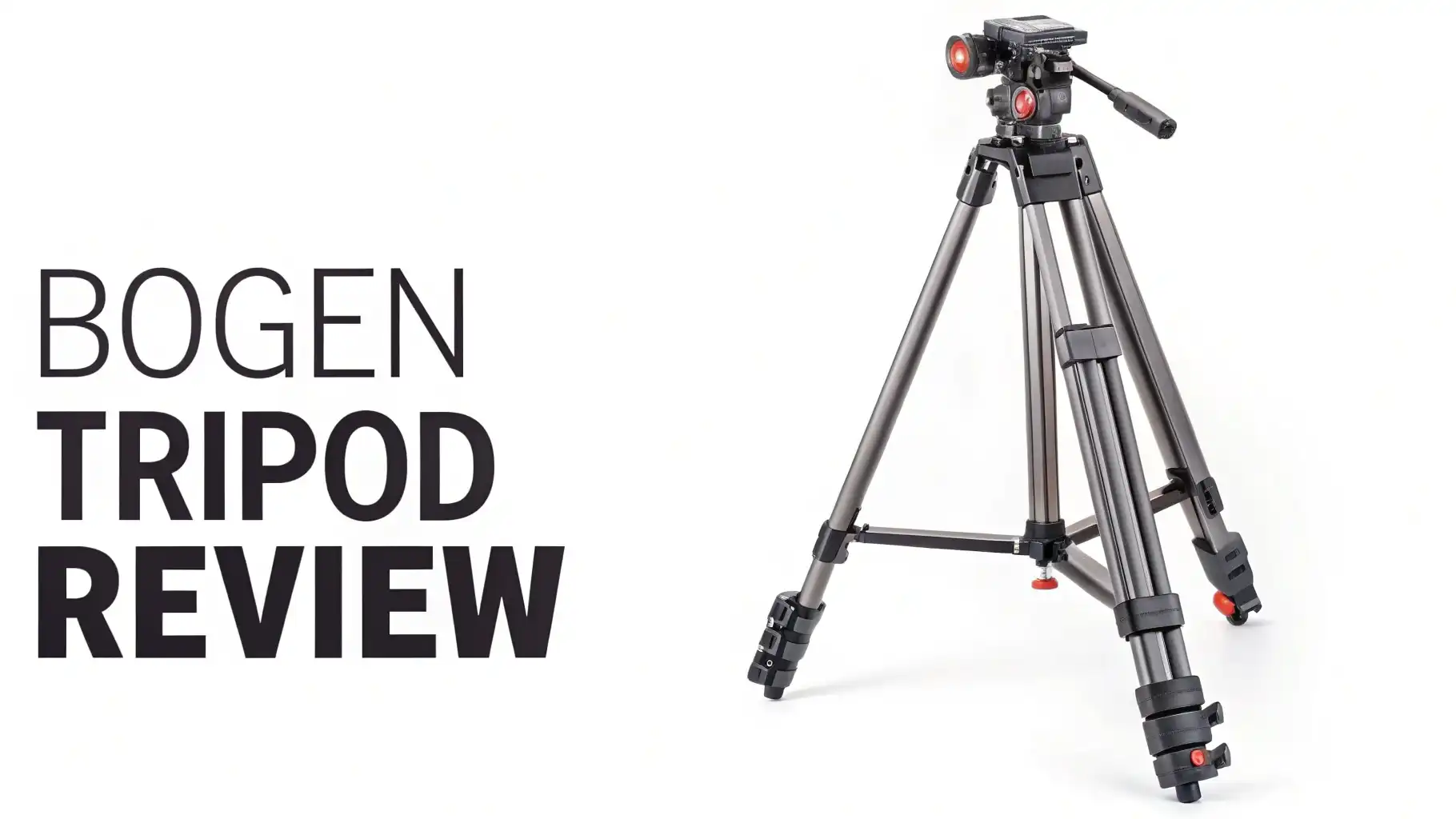
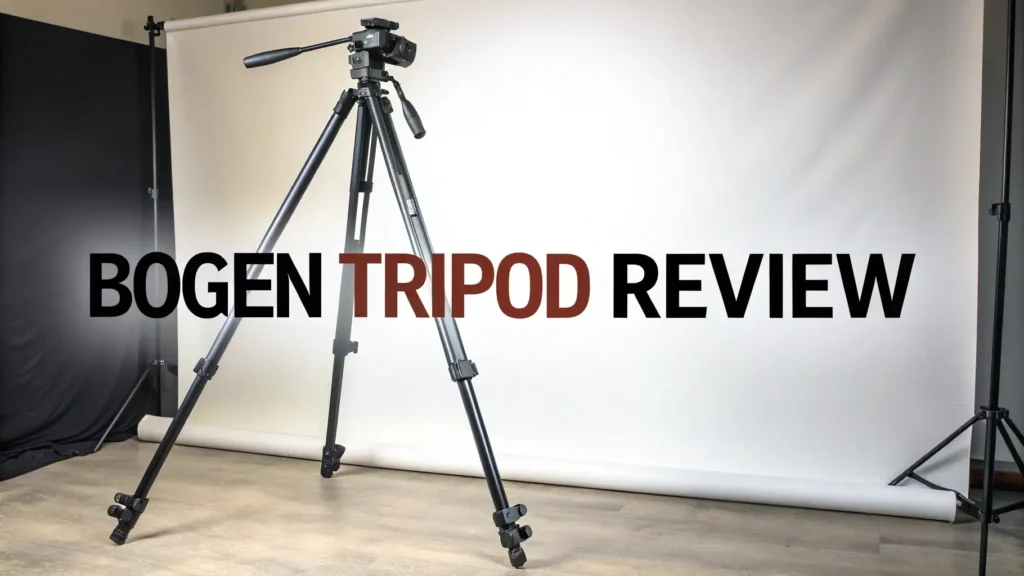
Bogen Tripod Review: Is It Really the #1 Choice?
Choosing the right tripod can make or break your photography experience. Bogen tripods, now known under the Manfrotto brand, have built a legendary reputation among photographers and videographers worldwide.
These Italian-engineered camera supports deliver professional stability without the premium price tag that makes other brands unaffordable.
Whether you shoot landscapes at dawn, capture portraits in your studio, or film content for your YouTube channel, understanding which Bogen tripod fits your needs will transform how you work.
Key Takeaways
- Bogen and Manfrotto are the same company. Bogen was the US distributor name, while Manfrotto is the Italian manufacturer. Today, all products carry the Manfrotto brand name.
- Classic Bogen models like the 3001, 3011, and 3021 remain highly sought after for their durability and simplicity. Many photographers still use tripods from decades ago.
- Modern Manfrotto tripods offer improved materials, better locking systems, and enhanced portability while maintaining the legendary Bogen build quality.
- Weight capacity matters more than you think. Always choose a tripod rated for at least twice your heaviest camera and lens combination.
- Aluminum vs carbon fiber presents a real choice. Aluminum costs less and offers excellent stability, while carbon fiber reduces weight significantly for travel photography.
- The right head makes all the difference. Ball heads work best for photography, while fluid heads excel at video work.

Manfrotto 290 Xtra Aluminum Tripod Kit with 3-Way Head
The Manfrotto 290 Xtra stands as the modern successor to classic Bogen designs. This tripod brings professional features to enthusiast photographers at a price point that makes sense. The aluminum construction provides rock-solid stability for DSLR and mirrorless cameras up to 11 pounds.
The 3-way head gives you independent control over pan, tilt, and rotation movements. This precision helps when you need exact framing for landscape or architectural photography. The Quick Power Lock system lets you extend and lock legs in seconds. You can set up faster than competitors fumble with twist locks.
The center column reverses for low-angle macro shots. This feature brings your camera close to the ground without awkward positioning. The maximum height reaches 66 inches, while the folded length measures just 25 inches. These dimensions make the tripod portable enough for hiking yet tall enough for comfortable shooting.
Manfrotto Befree Advanced Travel Tripod with Ball Head

Travel photographers need lightweight gear that still delivers professional results. The Befree Advanced solves this challenge brilliantly. This tripod weighs just 3.5 pounds but supports cameras up to 17.6 pounds. The compact folded size of 15.75 inches fits inside carry-on luggage.
The ball head features a unique design that switches between portrait and landscape orientation instantly. The friction control knob lets you adjust resistance to match your camera weight. This customization prevents unwanted movement during composition.
Lever leg locks operate faster than twist locks and feel more secure. The four-section legs extend to 59 inches for eye-level shooting. The adjustable center column adds extra height when you need it. The aluminum construction balances durability with reasonable weight.
Manfrotto 055 Aluminum Tripod with Horizontal Column

The 055 series represents the pinnacle of Manfrotto tripod engineering. Professional photographers trust this model for demanding assignments. The horizontal center column rotates 90 degrees, allowing overhead shots without expensive boom arms.
This tripod handles loads up to 19.8 pounds with ease. Large format cameras, heavy telephoto lenses, and video rigs all find stable support here. The Quick Power Lock leg system uses a single lever per leg for fast setup. The legs spread to different angles for uneven terrain or low shooting positions.
The maximum height reaches 70 inches, putting your camera well above eye level. The minimum height drops to 3.5 inches for creative ground-level perspectives. The tripod weighs 4.85 pounds, which balances portability with stability. The included carrying strap makes transport easier.
Top 3 Alternatives for Bogen Manfrotto Tripods


Understanding Bogen Tripod History and Heritage
The Bogen name carries decades of photographic history. The company started distributing Italian Manfrotto products in the United States during the 1960s. Photographers came to know these tripods as Bogen models, though Manfrotto manufactured them in Italy.
The brand consolidation happened gradually over time. Today, the Manfrotto name appears on all products worldwide. However, classic Bogen models remain in active use. Photographers pass down their 3001, 3011, and 3021 tripods through generations. The robust construction means these vintage supports often work as well as new models.
The build quality that made Bogen famous continues in current Manfrotto products. Aluminum alloys resist corrosion and denting. Leg locks function smoothly after years of use. Replacement parts remain available for even discontinued models. This commitment to longevity separates Manfrotto from cheaper competitors.
Aluminum vs Carbon Fiber: Making the Right Choice
Material selection impacts your photography experience significantly. Aluminum tripods cost less and provide excellent stability. The weight helps dampen vibrations from wind or camera movement. Aluminum resists denting and handles rough treatment well.
Carbon fiber offers distinct advantages for specific uses. The material weighs approximately 30 percent less than aluminum. This reduction matters when hiking miles to shooting locations. Carbon fiber also insulates better in cold weather. Your hands stay warmer when adjusting leg positions in winter.
The price difference can exceed 100 percent for equivalent models. Consider how often portability will matter. Studio photographers rarely benefit from carbon fiber. Travel and landscape photographers find the weight savings worthwhile. Your shooting style determines whether carbon fiber justifies the extra cost.
Choosing Between Ball Heads and 3-Way Heads
The head mechanism controls how smoothly you adjust camera position. Ball heads use a single control to unlock movement in all directions. This simplicity speeds composition when you need to react quickly. Wildlife and event photographers prefer ball heads.
3-way heads provide independent controls for pan, tilt, and rotation. This separation gives precise control for careful composition. Architectural and product photographers value this precision. The trade-off comes in slower adjustments and larger size.
Fluid heads serve video shooters exclusively. The damping mechanism creates smooth pan and tilt movements. This smoothness eliminates jerky camera motion in footage. Still photographers gain nothing from fluid heads.
Weight Capacity: Why Specifications Matter
Tripod manufacturers rate weight capacity conservatively. The listed capacity represents the maximum load under ideal conditions. Real-world use requires more margin. Wind, uneven ground, and lens adjustments all stress the tripod beyond static weight.
A good rule suggests doubling your heaviest setup weight when selecting capacity. Your 5-pound camera and lens combination needs a 10-pound rated tripod. This margin ensures stability under difficult conditions. The tripod feels solid rather than barely adequate.
Future lens purchases should factor into capacity decisions. Today’s modest setup might grow when you add that telephoto lens next year. Buying adequate capacity now prevents replacing the entire tripod later. The small extra cost beats replacing everything.
Leg Sections and Height Considerations
Tripods come with three, four, or five leg sections. Fewer sections mean thicker tubes and greater stability. Three-section tripods feel more solid but fold longer. Four-section models balance stability and portability better.
Five-section tripods maximize portability at the cost of stability. Each joint introduces flex and potential failure points. These tripods suit compact cameras and smartphones better than heavy DSLRs.
The maximum height should exceed your eye level by several inches. This extra height accommodates uneven terrain and elevated shooting positions. The minimum height matters equally. Low shooting requires legs that spread wide or reverse center columns.
Quick Release Systems Save Time and Frustration
Professional tripods use quick release plates to attach cameras. You mount a small plate on your camera base that locks into the tripod head. Changing between handheld and tripod shooting takes seconds rather than minutes.
The Arca-Swiss standard dominates professional photography. This dovetail design provides secure attachment and compatibility across brands. Many Manfrotto heads now offer Arca-Swiss compatibility alongside proprietary systems.
Some photographers keep multiple plates mounted on different camera bodies. Switching between cameras requires only seconds. This convenience matters when shooting events or weddings with multiple camera systems.
Leg Lock Systems: Twist vs Lever Mechanisms
Tripod legs lock using either twist collars or flip levers. Twist locks create a cleaner profile and resist catching on clothing or vegetation. They require rotating each section to lock and unlock. This process takes more time during setup.
Lever locks operate faster with a simple flip motion. They feel more positive and show lock status visually. The protruding levers can catch on obstacles. Some photographers find levers more reliable in cold weather when gloves make twisting difficult.
Neither system proves objectively superior. Personal preference and shooting conditions determine which works better. Try both systems before committing to an expensive tripod purchase.
Center Column Features and Functionality
The center column extends vertically to add height without adjusting leg length. This convenience comes with a stability cost. Extended center columns act as levers that amplify vibrations. Use center columns sparingly for critical sharpness.
Reversible center columns flip upside down for macro and product photography. The camera hangs between the legs for ground-level shooting. This flexibility expands creative possibilities without accessories.
Horizontal columns rotate perpendicular to legs for overhead shots. This feature helps with product photography, copying artwork, and creative compositions. Not all tripods offer this capability.
Portability Features for Travel Photography
Serious travel requires compact folded dimensions. Tripods that fold to 15-16 inches fit inside carry-on luggage. Longer models require checking bags or external attachment to backpacks.
The total weight including head determines whether you actually carry the tripod. A 5-pound tripod stays home less often than an 8-pound model. Every ounce matters on long hikes.
Included cases or straps simplify transport. Padded cases protect the tripod in luggage. Shoulder straps distribute weight better than hand carrying. These accessories often cost separately from budget tripods.
Maintaining Your Bogen Manfrotto Tripod
Proper maintenance extends tripod life indefinitely. Regular cleaning removes dirt and grit from leg sections. Sand and dust act as abrasives that wear locking mechanisms. Rinse legs with fresh water after beach shoots.
Lubrication keeps joints moving smoothly. Use light machine oil on leg locks and head controls annually. Avoid over-lubricating, which attracts dust. Wipe away excess oil after application.
Replacement parts remain available for Manfrotto products. Worn leg locks, damaged feet, and stripped screws all have part numbers. This support lets you repair rather than replace expensive tripods. The manufacturer provides detailed diagrams and instructions.
Frequently Asked Questions
What is the difference between Bogen and Manfrotto tripods?
Bogen served as the US distributor name for Italian-made Manfrotto tripods. The same company manufactured all products. Today, the Manfrotto brand appears worldwide. Classic Bogen-labeled tripods remain functionally identical to current Manfrotto models.
How much weight can a Manfrotto 290 tripod hold?
The Manfrotto 290 Xtra supports loads up to 11 pounds officially. Real-world use suggests keeping total weight around 5-6 pounds for optimal stability. This capacity handles most DSLR and mirrorless combinations comfortably.
Are Manfrotto tripods good for video?
Manfrotto makes excellent video tripods when paired with fluid heads. The 290 series with fluid heads provides smooth panning for videography. Still photography tripods with ball heads work poorly for video. Match the head type to your intended use.
Can I replace parts on old Bogen tripods?
Yes, Manfrotto maintains extensive parts inventory for discontinued models. Leg locks, center columns, and feet remain available. The company website provides parts diagrams and ordering information. This support makes repair economical compared to replacement.
What makes Manfrotto tripods better than cheap alternatives?
Manfrotto tripods use higher-grade aluminum alloys and tighter manufacturing tolerances. Leg locks function reliably after years of use. The company stands behind products with parts availability and customer service. Cheap tripods fail quickly and lack repair options.
How tall should my tripod be?
Your tripod should extend to eye level without using the center column. This height provides comfortable shooting positions and maximum stability. Add 4-6 inches for safety margin and flexibility. Shorter photographers can use lower tripods successfully.