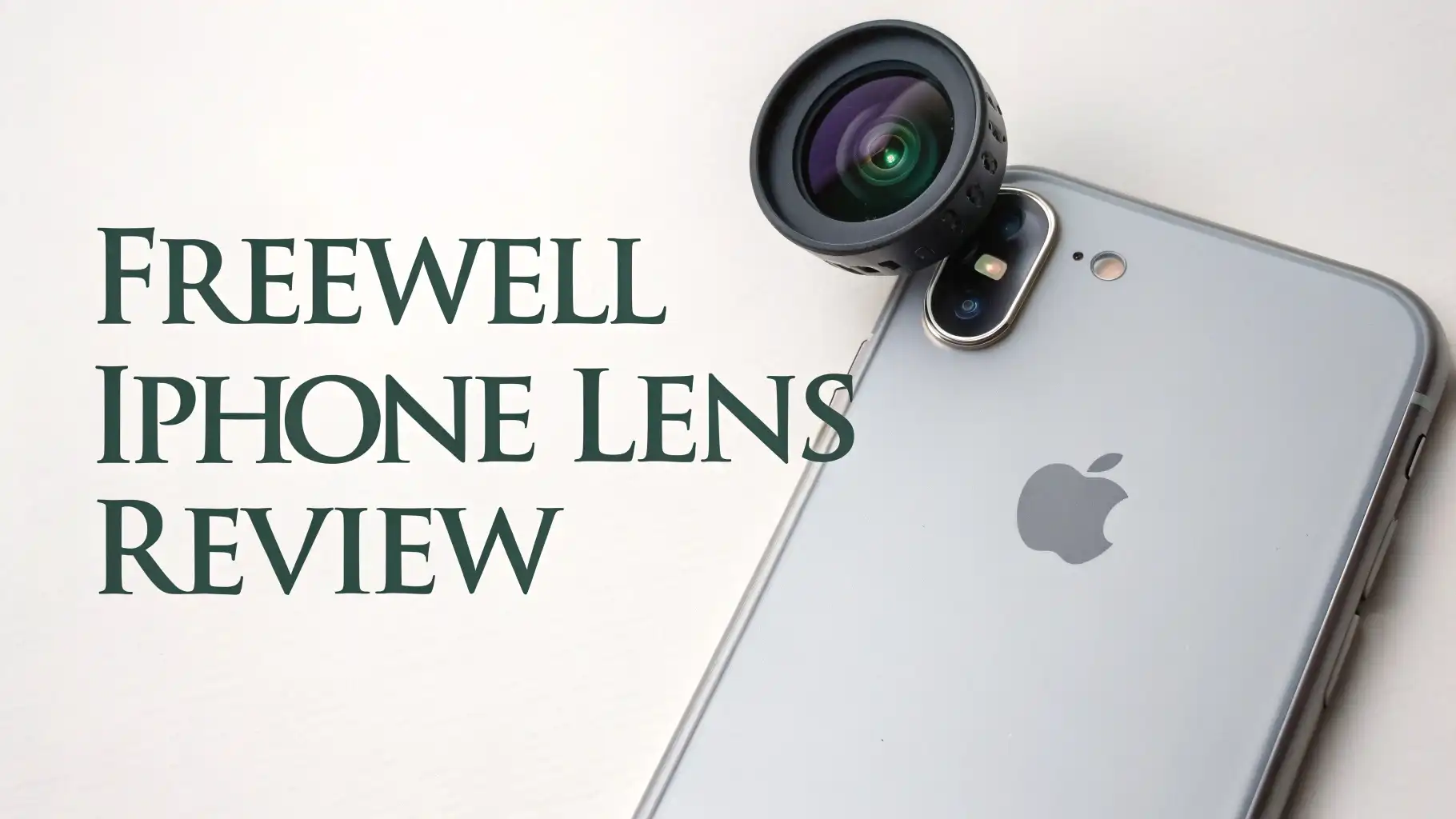
Freewell iPhone Lens Review: Can It Save You Money?
Are you ready to take your iPhone photography to the next level? Your smartphone camera is capable of capturing stunning images, but sometimes you need that extra edge to create truly professional content.
That’s where Freewell iPhone lenses come into play. These premium accessories transform your everyday iPhone into a powerful photography tool that rivals traditional cameras.
Whether you’re a content creator, filmmaker, or photography enthusiast, Freewell lenses offer the versatility and quality you need to capture breathtaking shots.
Key Takeaways:
- Professional Quality at Accessible Prices: Freewell lenses deliver cinema-grade optical performance without the hefty price tag of traditional camera equipment. These lenses use multi-coated glass elements that minimize distortion and maximize image clarity.
- Versatile Lens Options: The Freewell lineup includes anamorphic lenses for that Hollywood widescreen look, telephoto lenses for distant subjects, and macro lenses that reveal intricate details invisible to the naked eye.
- Easy Attachment System: Most Freewell lenses use a 17mm threaded mount system that securely attaches to compatible cases. This means you can swap lenses quickly without fumbling with clips or adhesives.
- Built for Content Creators: These lenses are specifically designed for mobile filmmakers and photographers who need professional results on the go. The aluminum construction ensures durability while maintaining a lightweight profile.
- Compatible Filter System: Freewell lenses feature 58mm filter threads that accept standard ND filters, CPL filters, and other accessories to give you complete creative control over your shots.

Freewell 1.33x Anamorphic Lens for iPhone
The Freewell 1.33x Anamorphic Lens is a game changer for anyone serious about mobile cinematography. This lens brings that distinctive cinematic look to your iPhone footage that you’ve seen in major motion pictures. The 2.35:1 aspect ratio creates an ultra-wide field of view that makes your videos feel more immersive and professional.
What makes this lens truly special is the 3-in-1 flare color system. You get neutral, gold, and blue flare options all in one lens. This means you can create different moods and atmospheres without carrying multiple lenses.
The horizontal lens flares that appear when shooting lights add that authentic film look that audiences associate with high-budget productions.
Freewell 1.7X Telephoto Lens for iPhone

Portrait photographers and wildlife enthusiasts will love the Freewell 1.7X Telephoto Lens. This lens extends your iPhone’s reach, allowing you to capture detailed shots of distant subjects without sacrificing image quality. The 1.7x magnification brings you closer to the action while maintaining the sharpness and clarity you expect from premium optics.
The telephoto design is perfect for portrait photography because it creates natural-looking compression. This compression effect makes faces appear more flattering and helps blur backgrounds for that professional bokeh effect.
Build quality is solid with this lens. The aluminum alloy construction feels substantial in your hands without adding excessive weight to your iPhone setup. The 17mm threaded mount ensures a secure connection that won’t come loose during shooting.
Freewell 1.33x Gold Anamorphic Lens

If you want your videos to have that warm, vintage cinematic feel, the Freewell 1.33x Gold Anamorphic Lens is your perfect companion. This specialized lens creates stunning gold flares that add warmth and character to your footage. The gold flare option is particularly effective for sunset scenes, romantic content, and nostalgic storytelling.
The lens maintains the same 2.35:1 cinematic aspect ratio as its neutral counterpart but with the added benefit of those beautiful golden horizontal flares. When you point your camera at light sources, you get rich, amber-colored streaks that dance across your frame. This effect is incredibly difficult to replicate in post-production, making this lens a valuable creative tool.
The optical design ensures that your image remains sharp even with the added flare effects. The enhanced film look comes from high-quality glass elements that preserve detail while adding character. Content creators who focus on lifestyle, travel, and storytelling content find this lens particularly useful.
Top 3 Alternatives for Freewell iPhone Lenses

No products found.

Understanding Anamorphic Lens Technology
Anamorphic lenses have been a staple of cinema for decades. These specialized optics squeeze a wider image onto your camera sensor, which is then expanded during playback to create that distinctive widescreen look. The technology originated in the 1950s when filmmakers wanted to create more immersive theatrical experiences.
What makes anamorphic lenses special is their unique optical characteristics. The horizontal lens flares, oval bokeh, and compressed perspective all contribute to that cinematic aesthetic. When you shoot with an anamorphic lens, you’re not just changing the aspect ratio. You’re fundamentally altering how your lens renders the scene.
Freewell has made this professional technology accessible to iPhone users. Traditional anamorphic lenses can cost thousands of dollars and require expensive camera systems. Freewell’s iPhone anamorphic lenses deliver similar optical characteristics at a fraction of the cost. The 1.33x squeeze factor is perfect for mobile devices because it provides noticeable cinematic enhancement without excessive image distortion.
Telephoto Lens Performance and Applications
Telephoto lenses solve a fundamental limitation of smartphone cameras. While modern iPhones have multiple built-in lenses, there’s still a gap in true optical zoom capability. The Freewell 1.7X Telephoto Lens fills this gap by providing genuine optical magnification without digital zoom artifacts.
The physics of telephoto lenses create several beneficial effects. Background compression makes distant objects appear closer to your subject, creating layered compositions with visual depth. The narrower field of view helps isolate your subject from busy backgrounds. The increased working distance allows you to photograph wildlife, sports, and candid moments without disturbing your subjects.
Image quality remains excellent throughout the zoom range. The multi-element optical design corrects for chromatic aberration and distortion that can plague cheaper telephoto lenses. Edge-to-edge sharpness means your entire frame stays crisp and detailed. The contrast and color rendition match your iPhone’s native lenses, ensuring consistent results across your photo library.
Macro Photography with Freewell Lenses
Macro photography opens up an entirely new dimension of visual storytelling. The Freewell macro lens capabilities let you explore microscopic details that normally go unnoticed. From the texture of flower petals to the intricate patterns on insects, macro photography reveals hidden beauty all around us.
The 45x magnification available in Freewell’s macro offerings is truly remarkable. You can capture details smaller than what your naked eye can perceive. This level of magnification transforms everyday objects into abstract art. Water droplets become crystal spheres. Fabric weaves become geometric patterns. The creative possibilities are limited only by your imagination.
Technical considerations matter with macro photography. Depth of field becomes extremely shallow at high magnifications, meaning precise focus is critical. The built-in lighting on some Freewell macro lenses helps overcome the challenge of insufficient light reaching your sensor. You need stable hands or a tripod because even slight movements become exaggerated at macro distances.
Filter Compatibility and ND Filter Benefits

Understanding filters transforms good mobile photography into great mobile photography. The Freewell lens system’s 58mm filter thread opens up a world of creative possibilities. ND filters, CPL filters, and specialty filters all enhance your iPhone’s capabilities in different ways.
Variable ND filters are particularly valuable for videographers. These filters reduce the amount of light entering your lens, allowing you to maintain proper shutter speeds in bright conditions. The cinematic 180-degree shutter rule requires specific exposure settings that are impossible to achieve in daylight without ND filters. The result is smooth, natural-looking motion blur in your videos.
The True Color VNDXMIST filter combines two benefits. The variable ND function gives you 1-5 stops of light reduction, while the mist effect softens highlights and adds a dreamy quality to your footage. This combination is perfect for wedding videography, portrait videos, and atmospheric content. At 79.99 dollars, this Amazon’s Choice product delivers professional results that justify the investment.
Comparing Freewell to Competitor Brands
The mobile lens market offers many choices. Moment, Sandmarc, and ShiftCam all compete with Freewell for your attention and dollars. Understanding the differences helps you make informed decisions about which system best fits your needs and budget.
Moment lenses have earned a reputation for exceptional optical quality. Their M-Series lenses use premium glass and deliver outstanding sharpness. However, Moment lenses typically cost more than comparable Freewell options. The Moment ecosystem is mature with extensive case and accessory support.
Sandmarc positions itself between budget and premium options. Their lenses deliver solid performance at mid-range prices. The build quality feels substantial, and their lens designs cover the essential focal lengths most mobile photographers need. Sandmarc’s anamorphic offerings compete directly with Freewell’s cinematic lenses.
Freewell distinguishes itself through specialized filmmaking features. The 3-in-1 flare system in their anamorphic lens is unique in the mobile lens market. Their focus on video-centric features like filter compatibility and cinematic characteristics appeals specifically to content creators and mobile filmmakers. The 17mm mount system is becoming an industry standard, ensuring broad compatibility.
Building Your Freewell Lens Kit
Starting your Freewell lens collection requires strategic thinking. You don’t need every lens immediately. Building your kit gradually based on your actual shooting needs ensures you invest wisely and learn each lens thoroughly before adding another.
Most users should start with either an anamorphic lens or telephoto lens depending on their primary content type. Filmmakers and videographers benefit most from the cinematic look of anamorphic lenses. Photographers who shoot portraits, wildlife, or events get more immediate value from telephoto options.
The second addition should fill gaps in your current capabilities. If you started with an anamorphic lens, adding a macro or telephoto lens expands your creative options. Macro photography opens entirely new subject matter, while telephoto reach helps with distant subjects. Consider your content calendar and shooting opportunities when planning additions.
Filters should come after you’ve mastered your lenses. ND filters are essential for video work, particularly outdoors. CPL filters benefit landscape and outdoor photography. The specialized Mist filters add production value to interviews and lifestyle content. Building a comprehensive filter collection takes time, but each filter expands your creative toolkit.
Technical Specifications That Matter
Understanding lens specifications helps you choose the right tools for your projects. Focal length, aperture, magnification, and optical construction all impact your images in different ways. Let’s break down what these technical details mean in practical terms.
Focal length determines your field of view and perspective. Wide-angle lenses (18mm or less) capture expansive scenes and create dramatic perspective. Standard lenses (around 35mm equivalent) match human vision. Telephoto lenses (50mm and above) compress distance and isolate subjects. Anamorphic lenses modify the horizontal field of view to create that distinctive widescreen look.
Aperture affects light gathering and depth of field. Freewell lenses typically have fixed maximum apertures determined by their optical design. Wider apertures allow more light and create shallower depth of field. Understanding your lens’s aperture helps you anticipate low-light performance and bokeh characteristics.
Magnification specifications tell you how much larger (or smaller) objects appear through the lens. The 1.7X telephoto provides 70 percent more magnification than your iPhone’s native lens. The 45x macro lens magnifies tiny subjects dramatically. These numbers help you plan your shooting approach and understand what subjects work best with each lens.
Optical construction details reveal quality. Multi-element designs with multiple glass pieces correct aberrations and improve sharpness. Coated elements reduce flare and ghosting. Aluminum construction ensures durability without excessive weight. These specifications indicate whether a lens will deliver professional results or disappointing performance.
Real World User Experiences
Understanding how actual users evaluate Freewell lenses provides valuable insights beyond marketing claims. Thousands of photographers and filmmakers have tested these lenses in challenging real-world conditions. Their collective experiences reveal strengths and limitations you should consider.
Professional content creators praise the cinematic quality of Freewell’s anamorphic lenses. Multiple reviewers note that clients often assume their mobile footage was shot on expensive cinema cameras. The horizontal flares and wide aspect ratio create such a professional look that viewers don’t realize they’re watching smartphone footage.
Portrait photographers appreciate the telephoto lens performance. The 1.7x magnification provides enough compression for flattering portraits without excessive bulk. The image quality remains sharp even in challenging lighting. Users report that the bokeh quality rivals traditional camera lenses costing significantly more.
Some users mention a learning curve with macro photography. The extremely shallow depth of field at 45x magnification requires patience and practice. However, once mastered, the macro lens reveals details that create stunning images. Product photographers particularly value this capability for e-commerce and advertising work.
Caring for Your Freewell Lenses
Proper maintenance extends the life of your lens investment. Optical glass requires careful handling and regular cleaning to maintain peak performance. Following best practices for lens care ensures your Freewell lenses deliver excellent results for years.
Cleaning should be gentle and regular. Use a soft microfiber cloth specifically designed for optics. Avoid paper towels or rough fabrics that can scratch lens coatings. For stubborn smudges, use lens cleaning solution applied to the cloth, never directly on the lens. Circular wiping motions from center to edge prevent streak formation.
Storage matters as much as cleaning. Always replace lens caps when not shooting. Store lenses in protective cases or pouches to prevent impacts and scratches. Avoid leaving lenses in hot cars or direct sunlight, as extreme temperatures can damage optical cements and coatings. Silica gel packets in your storage case help control humidity.
Thread maintenance prevents problems. The 17mm threaded mount should be checked periodically for dirt or damage. Clean threads gently with a soft brush. Never force lenses onto mounts; they should thread smoothly with light pressure. Cross-threading can damage both the lens and your case.
Frequently Asked Questions
Do Freewell lenses work with all iPhone models?
Freewell lenses require a compatible case with a 17mm threaded mount. These cases are available for most modern iPhone models including iPhone 15, 14, 13, and 12 series. You need to purchase the specific case for your iPhone model to use Freewell’s threaded lens system. The lenses themselves are universal once you have the correct case.
Can I use Freewell lenses with an iPhone protective case?
No, you cannot use standard protective cases with Freewell lenses. You must use a Freewell-compatible case that features the 17mm lens mount. These cases provide both protection and the necessary mounting system for the lenses. Freewell and other manufacturers offer cases specifically designed for this lens system.
How does image quality compare to my iPhone’s built-in lenses?
Freewell lenses offer different capabilities rather than replacing your built-in lenses. The anamorphic and macro lenses provide effects impossible with native iPhone lenses. The telephoto extends your reach beyond the built-in zoom. Optical quality is excellent with proper technique, though adding any external lens introduces some optical compromises. Most users find the creative benefits far outweigh any minor quality differences.
Are these lenses difficult to attach and remove?
The 17mm threaded mount system makes attachment straightforward. You simply align the lens threads and rotate clockwise until secure. Removal involves counter-clockwise rotation. The process takes seconds once you’re familiar with it. The threaded connection is more secure than clip-on lenses and less prone to misalignment.
Do I need special apps to use Freewell lenses?
No special apps are required, though professional camera apps enhance your results. Your iPhone’s native camera app works with all Freewell lenses. However, apps like Filmic Pro, ProCamera, or Moment Pro Camera give you manual control over focus, exposure, and other settings. These controls help you maximize the creative potential of your lenses, particularly for video work.
How heavy are these lenses on my iPhone?
Lens weights vary by type. The anamorphic lenses are the heaviest at around 7 to 8 ounces, while the macro lens is lighter at under 2 ounces. The added weight is noticeable but manageable. Most users adapt quickly and find the weight acceptable given the image quality improvements. Using a gimbal or stabilizer helps for extended shooting sessions.
Can I stack filters on Freewell lenses?
Yes, the 58mm filter thread allows filter stacking, though it’s not always recommended. Using one or two high-quality filters maintains good image quality. Stacking multiple filters can cause vignetting, reduce sharpness, and introduce unwanted reflections. For best results, use only the essential filters for your shooting situation.
Do these lenses work in low light conditions?
Lens performance in low light depends on several factors. The optical quality of Freewell lenses maintains sharpness, but they don’t gather additional light beyond your iPhone’s sensor capabilities. ND filters reduce light, making them less suitable for low-light situations. The telephoto lens works well in moderate light but may struggle in very dim conditions. The macro lens includes built-in lighting to help with close-up work in darker environments.