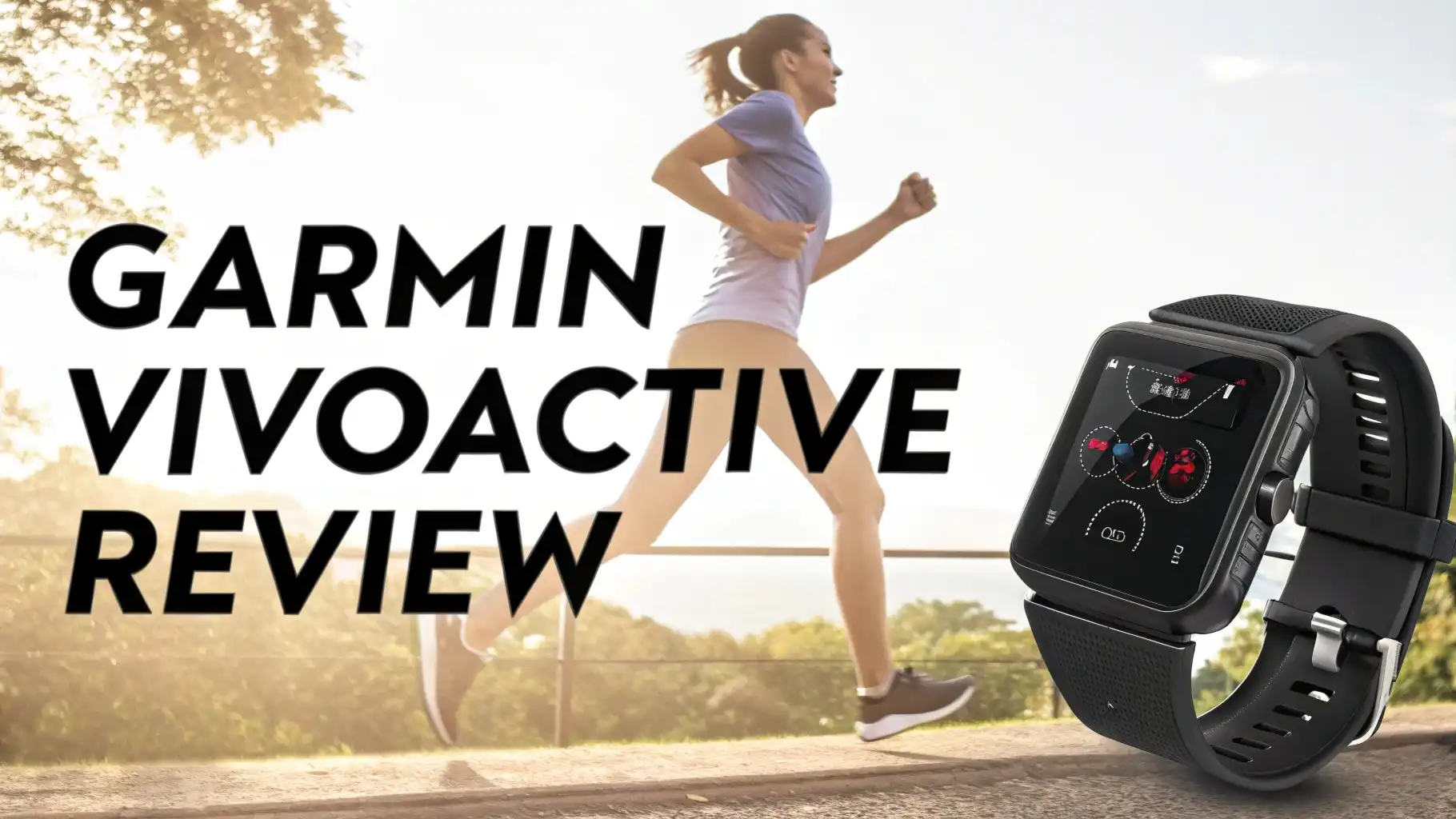
Garmin Vivoactive Review 2026: A Comprehensive Guide
If you have been searching for a fitness smartwatch that does not break the bank but still delivers serious health tracking and GPS performance, then you are in the right place.
The Garmin Vivoactive series has been a fan favorite for years, and the latest Garmin Vivoactive 6 is the most capable version yet. But is it actually worth your money in 2026? Should you upgrade from an older model, or pick a competitor instead?
This review covers everything. We are talking display quality, battery life, GPS accuracy, sport modes, health tracking features, and much more. By the end, you will know exactly whether this watch belongs on your wrist. So grab a coffee, sit back, and let us dive in.
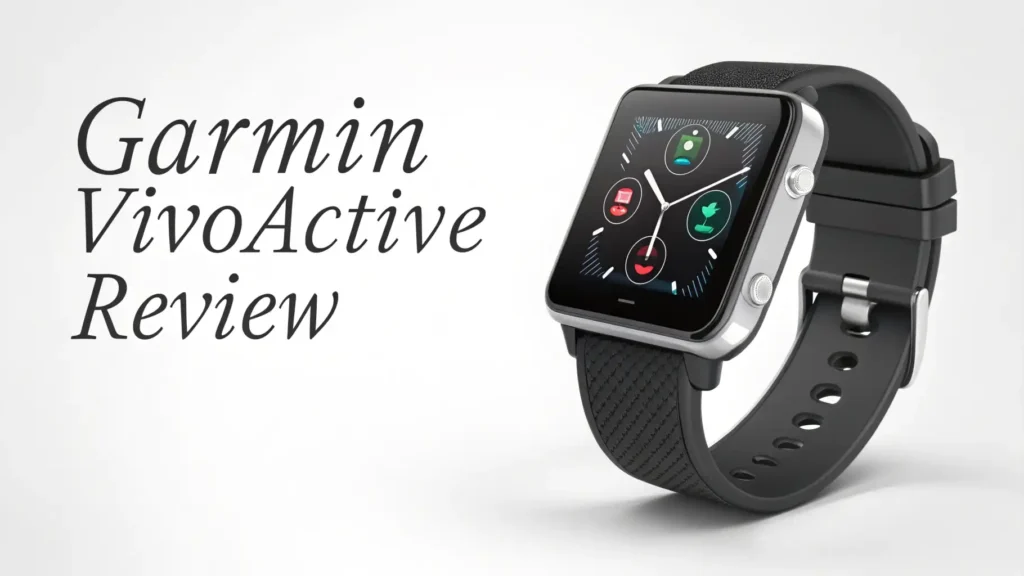
In a Nutshell:
- 🏆 Impressive Sport Modes: The Vivoactive 6 packs over 80 preloaded sport modes, including running, cycling, swimming, yoga, Pilates, HIIT, pickleball, kayaking, and a whole lot more. That is a massive jump from earlier models in the series.
- 🔋 Outstanding Battery Life: You get up to 11 days in standard smartwatch mode and up to 21 hours of continuous GPS tracking. This easily beats most competitors at this price point, including the Apple Watch SE 3 and Samsung Galaxy Watch 6.
- 📺 Vivid AMOLED Display: The 1.2-inch AMOLED screen protected by Gorilla Glass 3.0 is bright, sharp, and beautiful to look at. It is responsive, easy to read outdoors, and gives the watch a premium feel.
- ❤️ Comprehensive Health Monitoring: From Body Battery tracking, sleep coaching, blood oxygen, wrist-based heart rate, stress monitoring, and even a Smart Wake Alarm, the Vivoactive 6 keeps an eye on your health around the clock.
- 🎵 Offline Music and NFC Payments: With 8GB of onboard storage for offline music (Spotify and Deezer supported) and Garmin Pay contactless payments, this watch truly handles your daily life.
- ⚠️ A Few Limitations to Know: The watch does not have an ECG sensor, no altimeter, no multiband GPS, and no third-party app store. If those features matter most to you, there are alternatives worth considering.

What Is the Garmin Vivoactive and Why Does It Matter in 2026?
The Garmin Vivoactive series has always targeted a specific kind of person. You are someone who cares about fitness but also wants a stylish everyday watch. You want solid GPS and heart rate tracking without paying Fenix or Forerunner prices. The Garmin Vivoactive 6, released in 2025, is the sixth generation in this beloved line.
In 2026, the Vivoactive 6 continues to be one of the top-rated mid-range fitness smartwatches on the market. It sits between Garmin’s basic trackers and the premium Venu series. For most people who run, cycle, swim, hit the gym, and care about their daily health stats, it offers exactly the right balance.
The watch starts at $299.99 and comes in four color options. It is available in Slate with Black Band, Lunar Gold with Bone Band, Metallic Jasper Green, and Metallic Pink Dawn. All models feature a 42mm case with swappable 22mm bands. The design philosophy is simple: clean, lightweight, and comfortable for all-day wear.
Garmin Vivoactive 6 Design and Build Quality
The first thing you notice about the Vivoactive 6 is how slim and light it feels. At just 23 grams, it is one of the lightest GPS watches Garmin has ever made. It is also 2mm thinner than the Vivoactive 5, which already felt slim on the wrist. If you hate bulky watches, this one will make you very happy.
The 1.2-inch AMOLED display uses Gorilla Glass 3.0 for scratch protection. The screen is bright, colorful, and extremely responsive to touch. Garmin has not published the exact nits count, but in real-world use it performs well in most lighting conditions. It is not quite as bright as the Apple Watch SE 3 outdoors, but it holds its own.
The case is made from fiber-reinforced polymer with an aluminum bezel. It does feel slightly plastic, but that is part of what keeps it so light. The watch is water-resistant up to 50 meters, making it safe for swimming in pools and open water alike. Two physical side buttons complement the touchscreen for easier navigation during workouts, especially when your fingers are wet or gloved.
Display Quality: AMOLED Screen Up Close
Garmin made a bold move upgrading to an AMOLED display starting with the Vivoactive 5, and the Vivoactive 6 keeps this beautiful screen technology. If you have ever used a watch with an older LCD display, the difference is night and day. Colors are vivid, blacks are deep, and everything just looks more polished.
The screen resolution delivers crisp text and clean watch faces. Garmin offers a wide range of customizable watch faces through the Connect IQ store, so you can personalize how your watch looks to match your style. The always-on display mode is available, but it will reduce your battery life from 11 days down to about 5 days. That is a trade-off worth knowing about.
The touchscreen response is smooth and snappy. Swiping through menus, dismissing notifications, and starting workouts all feel fluid. In bright sunlight, the screen handles visibility reasonably well. In very harsh midday sun, it can get a little tricky to read, but it is still better than many rivals at this price.
The display size of 1.2 inches sits in a comfortable sweet spot. It is big enough to clearly display your workout stats mid-run without being so large that it looks ridiculous on smaller wrists.
GPS Performance and Accuracy Testing
GPS accuracy is one of the most important things to test on any fitness watch, and the Garmin Vivoactive 6 delivers solid, reliable GPS performance for most users. It now supports more satellite systems than before, including GPS, GLONASS, Galileo, Beidou, and QZSS. That is a meaningful upgrade from the Vivoactive 5.
However, it is important to note that the Vivoactive 6 does not support multiband GPS. Multiband uses two frequencies simultaneously for higher accuracy, especially in urban environments with lots of tall buildings or tree cover. The pricier Garmin Forerunner and Fenix models use multiband, giving them an edge in tricky GPS environments.
In real-world testing over dozens of runs through urban streets, parks, and river paths, the Vivoactive 6 performed impressively well. Distance measurements stayed within a reasonable margin of error even when compared directly against the multiband-equipped Garmin Fenix 8. For most runners and cyclists using standard routes, the GPS is more than good enough.
Top 3 Alternatives for Garmin Vivoactive 6
![Apple Watch SE 3 [GPS 40mm] Smartwatch with Midnight Aluminum Case with Midnight Sport Band - S/M. Fitness and Sleep Trackers, Heart Rate Monitor, Always-On Display, Water Resistant](https://devicediscoveries.blog/wp-content/plugins/aawp/public/image.php?url=YUhSMGNITTZMeTl0TG0xbFpHbGhMV0Z0WVhwdmJpNWpiMjB2YVcxaFoyVnpMMGt2TXpGSGNUaFRWRzlHU2t3dVgxTk1NVFl3WHk1cWNHYz18MTc3MzgzNDE1MQ=)


Battery Life: One of the Vivoactive 6’s Best Features
Let us be honest. Battery life is one of the most frustrating things about most smartwatches. Charging every single night gets old fast. The Garmin Vivoactive 6 solves this problem better than almost anything else at this price.
Here are the official battery figures from Garmin:
- Smartwatch mode (no always-on display): Up to 11 days
- Smartwatch mode (always-on display): Up to 5 days
- GPS only mode: Up to 21 hours
- All systems GPS mode: Up to 17 hours
- GPS mode with music playback: Up to 8 hours
In real-world testing, users consistently report 6 to 7 days of mixed use with daily workout tracking and heart rate monitoring enabled. A one-hour GPS run burns roughly 6 to 7 percent of the battery. A 4.5-hour long run drains about 25 percent.
This is significantly better than the Apple Watch SE 3, which needs daily charging. Even the Samsung Galaxy Watch 6 manages only about 40 hours of use. For anyone who hates charging their watch every day, the Vivoactive 6 is a refreshing change of pace.
Health and Wellness Tracking Features
Health tracking is where the Garmin Vivoactive 6 really shines. Garmin has built one of the most comprehensive health monitoring systems available in a mid-range watch, and the Vivoactive 6 includes nearly all of it.
Every morning, you get a Morning Report on your wrist. This pulls together your sleep score, overnight HRV (heart rate variability), Body Battery level, and daily schedule. It gives you a clear picture of how ready your body is for the day ahead. It is like having a personal wellness coach on your wrist.
Throughout the day, the watch tracks:
- Body Battery — a unique Garmin metric that estimates your energy reserves based on HRV, sleep, and stress data
- Stress levels — measured continuously throughout the day
- Blood oxygen saturation (SpO2) — on-demand and periodic readings
- Breathing rate — tracked continuously
- Wrist-based heart rate — 24/7 monitoring with Garmin Elevate v4 sensor
- Abnormal heart rate alerts — notifies you of unusually high or low heart rates
- Women’s health tracking — menstrual cycle and pregnancy tracking
Sleep tracking is also excellent. The watch monitors REM, light, and deep sleep stages, gives you a sleep score each morning, detects naps, and provides personalized sleep coaching recommendations. The new Smart Wake Alarm is a standout feature, waking you up at the optimal point in your sleep cycle within a set window so you feel more refreshed.
Sport Modes and Fitness Features
If you love variety in your workouts, the 80+ preloaded sport modes on the Vivoactive 6 will keep you very busy. Garmin added 50 new modes compared to the Vivoactive 5, which is a massive upgrade. Activities range from running, cycling, pool swimming, open water swimming, yoga, HIIT, strength training, Pilates, cardio, indoor cycling, elliptical, pickleball, kayaking, rowing, and many more.
For runners, the Vivoactive 6 now offers a notable suite of tools:
- Indoor, outdoor, trail, and track running modes
- Running dynamics from the wrist (cadence, stride length, ground contact time)
- Running power measurement
- PacePro for race-day pacing strategy
- Race predictor showing estimated 5K, 10K, half marathon, and marathon finish times
- Garmin Coach training plans that adapt based on your performance
This level of running detail was previously only available on pricier Forerunner models. For casual-to-intermediate runners, this is a significant step up.
For swimmers, there are indoor and outdoor pool swimming modes with lap counting and stroke detection. One notable absence is a triathlon mode, which means it is not the right watch if you compete in triathlons. Multisport athletes will want to look at the Forerunner series instead.
You can also download additional structured workouts for strength, yoga, HIIT, and mobility from Garmin Connect. Daily Suggested Workouts provide gentle guidance, though these are mostly walking suggestions unless you set up a Garmin Coach plan.
Smartwatch Features: Music, Payments, and Notifications
The Garmin Vivoactive 6 is not just a fitness tracker. It handles your everyday smartwatch needs well. Notifications from your smartphone arrive on your wrist including texts, calls, emails, and app alerts. You can read messages and dismiss notifications, though replying is limited on non-iOS devices.
Offline music storage is one of the highlights. The watch holds 8GB of music storage, which is double what the Vivoactive 5 offered. You can sync playlists from Spotify or Deezer to listen without carrying your phone. This is perfect for runs, gym sessions, or any time you want to travel light.
Garmin Pay contactless payments work at any NFC-enabled payment terminal. You can store multiple cards and pay with a tap of your wrist. It is quick, convenient, and works reliably.
Safety features are also well thought out. LiveTrack shares your real-time location with chosen contacts via a smartphone connection. Incident Detection automatically sends your location to emergency contacts if the watch detects a fall or collision. You can also trigger this manually if you feel unsafe on a solo run or night walk.
How Does the Garmin Vivoactive 6 Compare to the Vivoactive 5?
Many people asking this question are already Garmin users deciding whether to upgrade. The short answer: it is a meaningful upgrade, but not a drastic one. Here is what actually changed:
The GPS system is improved with the addition of Beidou and QZSS satellite systems. The sport mode count jumped from 30 to 80+, which is a big deal for people who do activities beyond running and cycling. Offline music storage doubled from 4GB to 8GB. The interface got a visual refresh making menus easier to navigate. The watch is 2mm thinner and feels even more comfortable.
New features exclusive to the Vivoactive 6 include the Smart Wake Alarm and a redesigned Morning Report. Sleep coaching also got improvements with new recommendations and nap detection upgrades.
What did not change significantly? The AMOLED display size and technology remain the same. The heart rate sensor is the same Garmin Elevate v4. Battery life figures are almost identical. And the price is about $50 to $100 higher depending on where the Vivoactive 5 is discounted.
Who Should Buy the Garmin Vivoactive 6?
The Garmin Vivoactive 6 is a fantastic watch for specific types of people. It is not the right watch for everyone, and being clear about that will help you make a smart decision.
You should buy this watch if:
You are a casual to intermediate fitness enthusiast who runs, cycles, swims, or hits the gym regularly. You want a watch that looks good at work and at the gym. You hate charging your watch every day. You want serious health insights like Body Battery, sleep coaching, HRV, and stress monitoring. You love Garmin’s ecosystem and want data-rich tracking through Garmin Connect.
You might want something else if:
You are a serious competitive runner or triathlete who needs the absolute best GPS accuracy and multiband satellite support. In that case, look at the Garmin Forerunner 165 or COROS Pace 3. You are an iPhone user who lives in the Apple ecosystem. In that case, the Apple Watch SE 3 integrates more seamlessly. You need a full smartwatch with third-party app support. In that case, the Samsung Galaxy Watch 6 or Apple Watch SE 3 serve you better.
For the everyday fitness person who wants a reliable, long-lasting, feature-rich watch at a fair price, the Vivoactive 6 is tough to beat in 2026.
Garmin Vivoactive 6: Pros and Cons Summary
Let us break this down cleanly before the final verdict.
What we loved:
Battery life is genuinely excellent and eliminates the daily charging frustration. The AMOLED display looks stunning and the watch is extremely comfortable to wear. Health tracking is comprehensive and meaningful, especially with Body Battery and sleep coaching.
The addition of 80+ sport modes including running dynamics and PacePro makes it a real training tool. 8GB offline music storage with Spotify and Deezer is a big practical win. The Smart Wake Alarm is a genuine quality-of-life upgrade.
What we wished were better:
There is no ECG sensor and no altimeter, both of which appear on some competitors. The heart rate sensor can struggle during high-intensity intervals and in cold weather. No multiband GPS means accuracy can occasionally dip in tricky urban environments.
No triathlon mode limits it for multisport athletes. No third-party app ecosystem means fewer on-watch app options compared to Apple Watch or Wear OS watches.
Overall, the pros significantly outweigh the cons for the target audience this watch is designed for.
Final Verdict: Is the Garmin Vivoactive 6 Worth Buying in 2026?
After everything we have covered, the Garmin Vivoactive 6 earns a strong recommendation for 2026. It delivers the right package for the right person at a fair price. You get a beautiful watch, serious fitness tracking, excellent battery life, and a health monitoring system that actually helps you live better every day.
Yes, there are faster watches. Yes, there are watches with more apps. Yes, there are cheaper options. But none of them balance style, fitness depth, health intelligence, and battery life as well as the Vivoactive 6 does at this price point.
Frequently Asked Questions
Is the Garmin Vivoactive 6 worth buying in 2026?
Yes. The Garmin Vivoactive 6 remains one of the best mid-range fitness smartwatches you can buy in 2026. It offers an excellent balance of health tracking, GPS performance, battery life, and smart features at a price that makes sense for most buyers.
How long does the Garmin Vivoactive 6 battery last?
The battery lasts up to 11 days in standard smartwatch mode without the always-on display. With GPS active during workouts, a one-hour run uses roughly 6 to 7 percent of battery. Most users report 6 to 7 days of real-world use with daily workout tracking.
Does the Garmin Vivoactive 6 have an ECG?
No. The Garmin Vivoactive 6 does not include an ECG (electrocardiogram) sensor. It does track continuous heart rate, HRV, SpO2, and provides abnormal heart rate alerts. If ECG is a priority, consider the Samsung Galaxy Watch 6 or Apple Watch SE 3.
Can I use the Garmin Vivoactive 6 for swimming?
Yes. The watch is water-resistant up to 50 meters and includes both indoor pool swimming and open water swimming modes with lap counting and stroke detection. However, it does not have a triathlon mode for multisport athletes.
Does the Garmin Vivoactive 6 work with iPhone?
Yes. The Garmin Vivoactive 6 works with both iPhone and Android phones through the Garmin Connect app. You can receive notifications, sync data, and use all health features with an iPhone. However, it does not integrate with Apple Health as deeply as the Apple Watch does.
What is Garmin Body Battery?
Body Battery is a unique Garmin metric that estimates your energy levels on a scale from 0 to 100. It uses heart rate variability, sleep quality, and stress data to calculate how ready your body is for physical and mental activity. It helps you decide when to push hard and when to rest.
How does the Garmin Vivoactive 6 compare to the Vivoactive 5?
The Vivoactive 6 improves on the Vivoactive 5 with 50 additional sport modes (80+ total), improved GPS with Beidou and QZSS support, doubled offline music storage (4GB to 8GB), a new Smart Wake Alarm, a refreshed interface, and a slimmer design. Battery life and display specs remain similar.
Is the Garmin Vivoactive 6 good for running?
Yes, absolutely. The Vivoactive 6 is a solid running watch with GPS tracking, running power from the wrist, running dynamics, PacePro race pacing, race predictor, indoor/trail/track modes, and Garmin Coach training plans. It does not have multiband GPS, but for most recreational runners, accuracy is more than adequate.