Leica S Digital SLR Camera Review: Ultimate Guide 2026
The world of professional photography demands cameras that deliver stunning image quality and precision. The Leica S digital SLR camera represents the gold standard in medium format photography.
This camera system offers photographers exceptional resolution, dynamic range, and color accuracy.
Whether you shoot fashion, landscape, or commercial photography, the Leica S series delivers results that stand out.
Key Takeaways
- Superior Image Quality: The Leica S system features a 30 x 45mm medium format sensor that captures images with stunning detail and clarity. Models range from 37.5 megapixels in the Typ 007 to an impressive 64 megapixels in the S3.
- Professional Build Quality: Every Leica S camera features weather-sealed construction with robust materials. The camera body withstands harsh shooting conditions and delivers reliable performance for years.
- Exceptional Dynamic Range: The Leica S series offers up to 15 stops of dynamic range, allowing photographers to capture incredible detail in both highlights and shadows without losing information.
- Premium Lens System: The Summarit-S and Apo-Elmar-S lenses provide outstanding optical performance. These lenses deliver sharpness, minimal distortion, and beautiful color rendering across the entire frame.
- Investment Value: While the Leica S system requires significant investment, these cameras hold their value exceptionally well. Professional photographers consider them long-term tools that deliver consistent results.

Understanding the Leica S Digital SLR Camera System
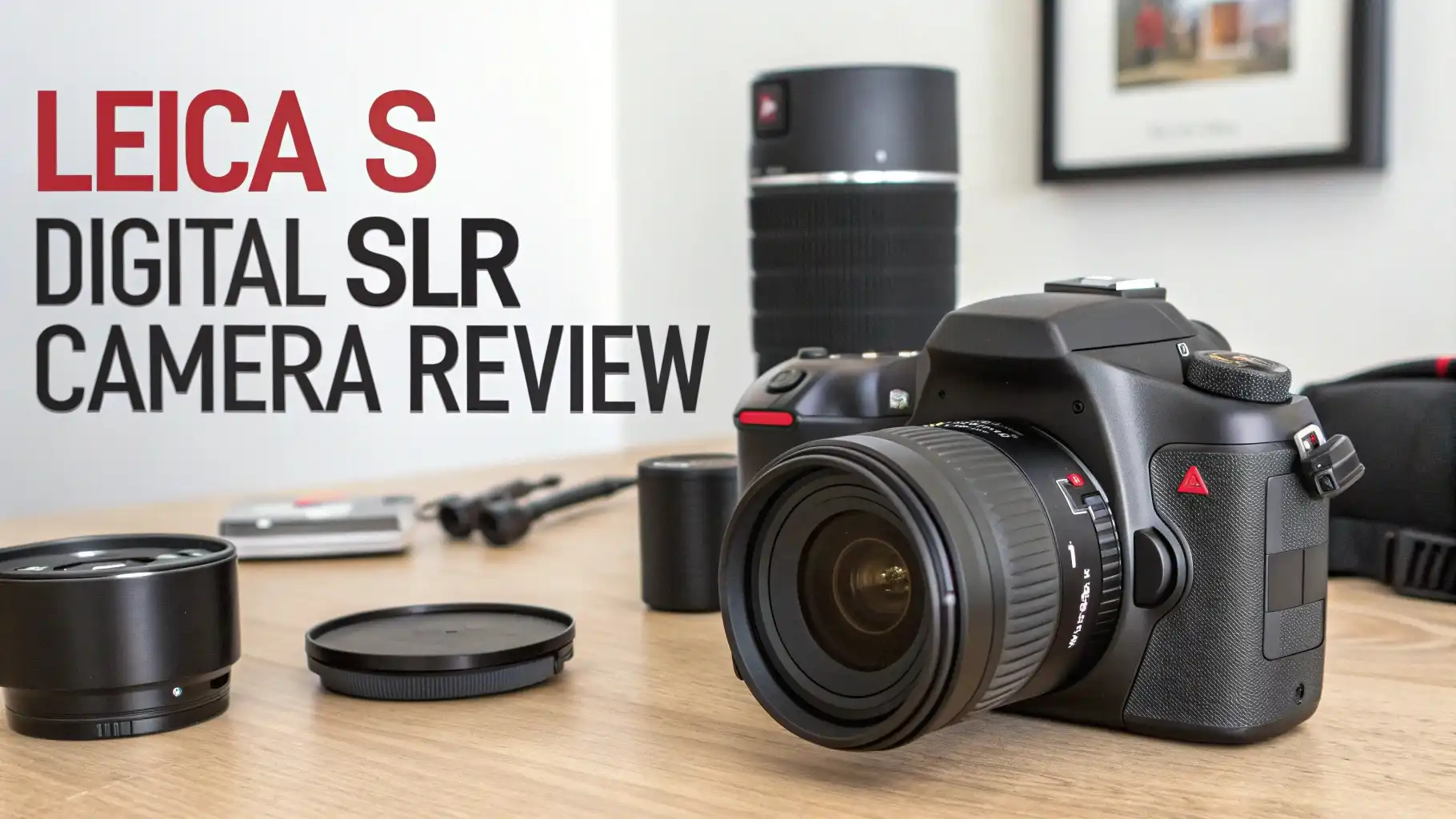
The Leica S digital SLR camera stands as a remarkable achievement in medium format photography. This camera system combines traditional DSLR handling with the superior image quality of medium format sensors. The 30 x 45mm sensor provides nearly 60% more surface area than full-frame cameras.
This larger sensor captures more light, delivers better color depth, and produces images with exceptional three-dimensional quality. The Leica S system includes multiple models, from the original S2 through the Typ 006, Typ 007, and the flagship S3. Each generation brings improvements in resolution, processing speed, and video capabilities while maintaining the characteristic Leica look.
The camera body features intuitive controls that professional photographers appreciate. The large LCD screen displays images with accurate color representation. The optical viewfinder offers 96% coverage and bright, clear viewing. Battery life exceeds most competitors, with hundreds of shots possible on a single charge.
Leica SL2-S Mirrorless Digital Camera
The Leica SL2-S represents a different approach to professional imaging. This mirrorless camera features a 24.6-megapixel full-frame sensor optimized for speed and low-light performance. The camera shoots up to 25 frames per second with continuous autofocus.
Video capabilities include 4K recording at 60 frames per second with 10-bit color depth. The electronic viewfinder displays 5.76 million dots with zero lag, providing an accurate preview of your final image.
Build quality matches Leica’s legendary standards. The body features aluminum construction with weather sealing throughout. The camera weighs less than traditional DSLRs while maintaining professional durability.
The touchscreen interface responds quickly to inputs and provides intuitive menu navigation. Battery performance delivers over 500 shots per charge. The L-mount system provides access to lenses from Leica, Panasonic, and Sigma, offering tremendous versatility.
Image Quality and Sensor Performance
The medium format sensor in the Leica S system produces images with outstanding clarity and depth. The 30 x 45mm sensor size allows for larger photosite dimensions, which capture more light and produce less noise. High ISO performance remains impressive, with usable results up to ISO 1250 and beyond.
The sensor’s dynamic range allows photographers to recover detail from shadows and highlights during post-processing. Color science delivers the distinctive Leica look, with accurate skin tones and pleasing color transitions.
The CCD sensor in earlier models like the S2 provides a unique rendering quality. Many photographers prefer this look for fashion and portrait work. Later models feature CMOS sensors that offer faster readout speeds and improved video capabilities.
Leica Q3 Digital Camera

The Leica Q3 offers a compelling alternative for photographers seeking premium quality in a compact format. This full-frame camera features a 60-megapixel sensor paired with a fixed 28mm f/1.7 lens. The optical design delivers exceptional sharpness across the entire frame.
Digital zoom crops provide effective 35mm, 50mm, and 75mm focal lengths while maintaining high resolution. The camera records 8K video and features advanced autofocus with face and eye detection.
The compact body makes this camera perfect for travel and street photography. The integrated Leica lens means no need to change optics, simplifying your workflow. Image stabilization provides up to five stops of compensation. The tilting touchscreen offers flexibility for high and low angle shooting. Built-in Wi-Fi and Bluetooth enable wireless transfer and remote control. Battery life supports a full day of shooting with moderate use.
Lens Selection and Optical Excellence
The Leica S lens lineup includes options from wide-angle to telephoto focal lengths. The Summarit-S series provides excellent performance at accessible price points. The Apo-Elmar-S lenses deliver reference-grade optical quality for demanding applications. Each lens features precise mechanical construction and weather sealing. Autofocus operates quickly and accurately, though some photographers prefer manual focus for critical work.
Prime lenses include the 30mm f/2.5, 35mm f/2.5, 70mm f/2.5, and 120mm f/2.5 options. These focal lengths cover most professional needs. The 70mm serves as an excellent standard lens, equivalent to approximately 56mm in full-frame terms.
Zoom lenses like the 30-90mm f/3.5-5.6 provide versatility for changing situations. All lenses produce minimal distortion and chromatic aberration. The rendering quality shows excellent micro-contrast and three-dimensional pop.
Top 3 Alternatives for Leica S Digital SLR Camera


Autofocus System and Performance
The Leica S autofocus system employs contrast-detection technology with multiple selectable points. The system works accurately in most lighting conditions, though it operates slower than modern phase-detection systems. Single-point autofocus provides precise control for critical focusing. Face detection helps when shooting portraits. The camera offers manual focus assist with focus peaking and magnification. Many professional photographers prefer manual focus for the ultimate control.
Continuous shooting speed reaches 3.5 frames per second on the Typ 007 model. The S3 maintains 3 frames per second shooting. Buffer capacity allows for dozens of raw files before the camera slows. Write speeds depend on card quality, with fast cards providing the best performance. Live view mode enables silent shooting for sensitive situations. The electronic shutter eliminates vibration and mechanical wear.
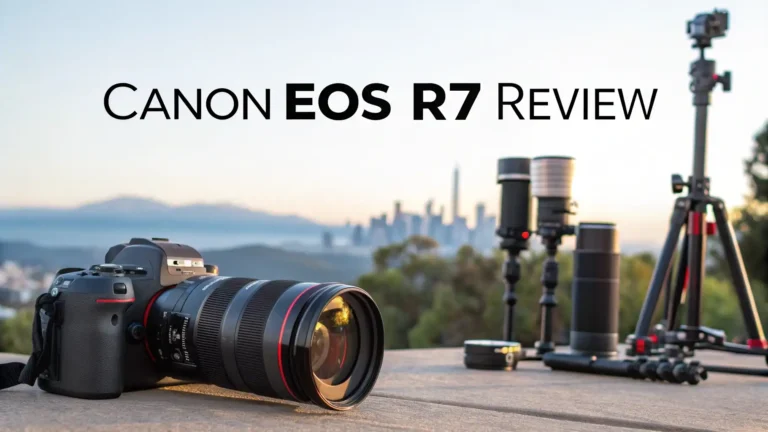
Hasselblad X2D 100C Medium Format Camera
The Hasselblad X2D 100C delivers exceptional imaging capabilities for demanding professionals. The 100-megapixel BSI CMOS sensor captures incredible detail with excellent color accuracy. The camera processes 16-bit color files internally, providing maximum editing flexibility. Dynamic range reaches 15 stops, matching the best cameras available. The mirrorless design eliminates mirror mechanisms, reducing vibration and enabling silent shooting.
The electronic viewfinder displays 5.76 million dots with zero blackout during shooting. Rear touchscreen measures 3.6 inches with high resolution. The camera body features aluminum construction with subtle styling. Controls follow Hasselblad’s traditional layout, which some photographers find more intuitive than other systems. The XCD lens lineup includes excellent options, though the system costs more than some alternatives.
Build Quality and Ergonomics
Leica build quality represents the pinnacle of camera construction. The S system features a magnesium alloy body with precision assembly. Every control feels solid and operates smoothly. Weather sealing protects against environmental elements. The camera weighs approximately 1,260 grams without lens, providing substantial heft that inspires confidence. The grip accommodates large hands comfortably while providing secure hold.
Button layout follows logical patterns that professional photographers appreciate. The top LCD displays shooting information at a glance. The rear control wheel enables quick setting adjustments. Customizable function buttons allow photographers to tailor the camera to their workflow. The optical viewfinder provides a bright, clear view with minimal distortion. Build quality ensures these cameras function reliably for decades with proper maintenance.
Video Capabilities and Features
The Leica S3 introduced significant video improvements to the system. This camera records 4K video at 30 frames per second with full sensor readout. Video quality shows excellent detail and dynamic range.
The camera supports external recorders via HDMI output. Audio inputs include professional XLR connections with phantom power. Zebra patterns and focus peaking assist with exposure and focusing during video capture.
Earlier S models offer limited video capabilities, with the Typ 007 recording 1080p video. The large sensor provides beautiful depth of field control for cinematic looks. Manual controls allow precise adjustment of exposure parameters during recording.
The Leica look translates beautifully to video, with pleasing color and tonal transitions. Video autofocus operates smoothly, though manual focus remains preferable for professional work.
Fujifilm GFX100RF Medium Format Camera
The Fujifilm GFX100RF represents excellent value in professional medium format cameras. This camera features a 102-megapixel sensor with outstanding resolution and dynamic range. The rangefinder-style body provides compact dimensions compared to traditional medium format cameras.
Built-in image stabilization delivers up to eight stops of compensation, enabling handheld shooting in challenging conditions. The autofocus system includes 425 phase-detection points with excellent subject tracking.
Film simulation modes recreate classic film stocks, providing creative options straight from the camera. The GF lens system includes excellent options at competitive prices compared to other medium format systems.
The camera records 4K video at 60 frames per second with 10-bit color. Battery life supports extended shooting sessions. The tilting touchscreen provides flexibility for various shooting angles.
Low Light Performance and High ISO
High ISO performance in the Leica S system remains impressive for medium format cameras. The larger sensor photosite dimensions collect more light, reducing noise at higher sensitivity settings.
The S3 produces clean images at ISO 3200 with minimal noise reduction required. The Typ 007 shows excellent results up to ISO 1600. Color accuracy remains consistent across the ISO range, maintaining the Leica look.
The wide dynamic range helps recover detail from underexposed areas without introducing excessive noise. Shadow detail remains clean with proper exposure technique. Highlight rolloff shows smooth transitions without harsh clipping.
The camera processes raw files with minimal artifacts. Professional photographers appreciate the ability to shoot in challenging lighting conditions while maintaining image quality standards.
Color Science and Image Rendering
Leica color science represents decades of optical expertise and development. The S system produces images with accurate skin tones and pleasing color transitions. Colors show depth and saturation without appearing oversaturated. The tonal response delivers smooth gradations from highlights to shadows. This characteristic look distinguishes Leica images from other camera systems.
The medium format sensor contributes to the three-dimensional quality that photographers associate with Leica. Micro-contrast remains high throughout the tonal range, providing images with apparent sharpness beyond pure resolution numbers.
The rendering quality shows excellent detail in both textures and smooth surfaces. Post-processing flexibility allows photographers to adjust color and tone while maintaining natural appearance.
Memory Card Options and Storage
The Leica S system provides dual memory card slots for backup and overflow storage. The primary slot accepts SD, SDHC, and SDXC cards with UHS-II support. The secondary slot uses CompactFlash cards with UDMA 7 compatibility. This dual-card setup provides flexibility and security for professional work. Photographers can configure the slots for backup recording or overflow when the first card fills.
Write speeds depend on card quality and type. Fast UHS-II SD cards provide excellent performance for burst shooting. Raw file sizes typically range from 50 to 80 megabytes depending on the model and scene complexity.
The S3’s 64-megapixel files require substantial storage space. Professional photographers need multiple high-capacity cards for extended shooting sessions. Card reliability remains critical for professional work, making quality brands essential.
Battery Life and Power Management
Battery performance in the Leica S system exceeds many competitors. The BP-PRO1 battery provides power for hundreds of shots on a single charge. Real-world performance varies based on shooting style and LCD usage.
Optical viewfinder shooting extends battery life significantly compared to live view mode. The camera displays accurate battery level indicators, helping photographers plan card and battery changes.
The battery charges via the included charger in approximately two hours. Spare batteries provide insurance for extended shooting sessions. Professional photographers typically carry at least two batteries for full-day shoots.
The battery grip accessory doubles power capacity while improving handling with long lenses. Power management features include automatic sleep modes and customizable timeout settings.
Connectivity and Workflow Integration
Modern connectivity features help integrate the Leica S system into professional workflows. Wi-Fi enables wireless image transfer to mobile devices and computers. The Leica FOTOS app provides remote control and image review functionality. USB 3.0 connectivity ensures fast file transfer during tethered shooting. HDMI output supports external monitors and recorders for video work.
GPS functionality tags images with location data for organization and client delivery. The camera supports professional tethering software for studio work. Network connectivity enables direct upload to cloud storage and client galleries.
These features streamline workflow and reduce time between capture and delivery. Professional photographers appreciate the flexibility these connectivity options provide.
Price Considerations and Value Proposition
The Leica S system represents a significant investment for professional photographers. New S3 bodies retail around $19,995 while used Typ 007 models sell for approximately $4,500 to $7,000.
Lenses range from $4,000 to $10,000 depending on focal length and specification. The complete system cost exceeds most photography budgets, limiting adoption to serious professionals and dedicated enthusiasts.
Value proposition depends on individual needs and business requirements. Commercial photographers who deliver large prints and demand ultimate quality find the investment worthwhile.
The cameras hold value well on the used market. Build quality ensures decades of reliable service with proper maintenance. Professional photographers often consider these cameras business tools that generate income through superior image quality.
Professional Applications and Use Cases
Commercial photography represents the primary market for Leica S cameras. Fashion photographers appreciate the medium format look and high resolution. Landscape photographers value the dynamic range and color accuracy.
Architecture and interior photographers benefit from the large sensor and perspective control options. Studio portrait work shows the beautiful depth of field characteristics and skin tone rendering.
Editorial work demands the image quality and reliability that Leica provides. Wedding photographers who specialize in fine art presentations choose these cameras for their distinctive look. Product photography benefits from the exceptional detail and color accuracy.
The camera serves any application where image quality takes priority over speed and portability. Professional photographers in these fields justify the investment through superior client deliverables.
FAQs
What is the megapixel count of Leica S cameras?
The Leica S system offers different megapixel counts across models. The original S2 featured 37.5 megapixels, providing excellent resolution for professional work. The S Typ 006 and Typ 007 maintained the 37.5-megapixel sensor with improved processing. The flagship S3 increased resolution to 64 megapixels, delivering incredible detail for large prints and commercial applications.
How does the Leica S compare to full-frame cameras?
The Leica S medium format sensor measures 30 x 45mm, compared to 24 x 36mm for full-frame cameras. This provides approximately 60% more surface area, resulting in better light gathering capability and shallower depth of field at equivalent apertures. The larger sensor produces images with superior three-dimensional quality and tonal gradation.
What makes Leica cameras special?
Leica cameras represent over 100 years of optical excellence and precision manufacturing. The company pioneered 35mm photography and continues innovating in digital imaging. Build quality exceeds most competitors, with precision assembly and premium materials throughout. The characteristic Leica look provides distinctive color rendering and tonal transitions.
Is the Leica S system weather sealed?
Yes, the Leica S cameras feature comprehensive weather sealing throughout the body. Gaskets and seals protect against dust and moisture ingress. The system withstands challenging environmental conditions that would damage lesser cameras. S-series lenses also feature weather sealing for complete protection. Professional photographers rely on this durability for location shooting in various climates.
What lens mount does the Leica S use?
The Leica S system uses a proprietary S-mount designed specifically for medium format imaging. This mount provides the large diameter necessary for medium format optics. The electronic contacts support autofocus and aperture control. The mount features robust mechanical construction for heavy professional lenses. S-mount lenses work exclusively with S-system cameras, ensuring optimized performance. No adapters exist for other lens systems due to the unique flange distance and image circle requirements.
How does the Leica S autofocus perform?
The Leica S autofocus system uses contrast detection with multiple selectable points. Performance remains accurate in most lighting conditions, though speed falls behind modern phase-detection systems. Single-point autofocus provides precise control for critical work. Continuous autofocus tracks moving subjects at moderate speeds. Professional photographers often prefer manual focus for ultimate precision. The autofocus serves general photography needs while allowing manual override when required.
Can the Leica S shoot video?
Yes, Leica S cameras include video capabilities with features varying by model. The S3 records 4K video at 30 frames per second with full sensor readout. Earlier models like the Typ 007 offer 1080p video recording. The large sensor provides beautiful cinematic depth of field. External recording options support professional video workflows. Audio inputs include professional connections on the S3. Video quality shows excellent dynamic range and the characteristic Leica color rendering.
What is the battery life of Leica S cameras?
The Leica S system provides excellent battery life for medium format cameras. The BP-PRO1 battery powers hundreds of shots on a single charge. Real-world performance varies based on shooting style and feature usage. Optical viewfinder shooting extends battery life significantly compared to live view mode. Professional photographers typically carry spare batteries for extended sessions. The battery grip accessory doubles capacity while improving handling with longer lenses.