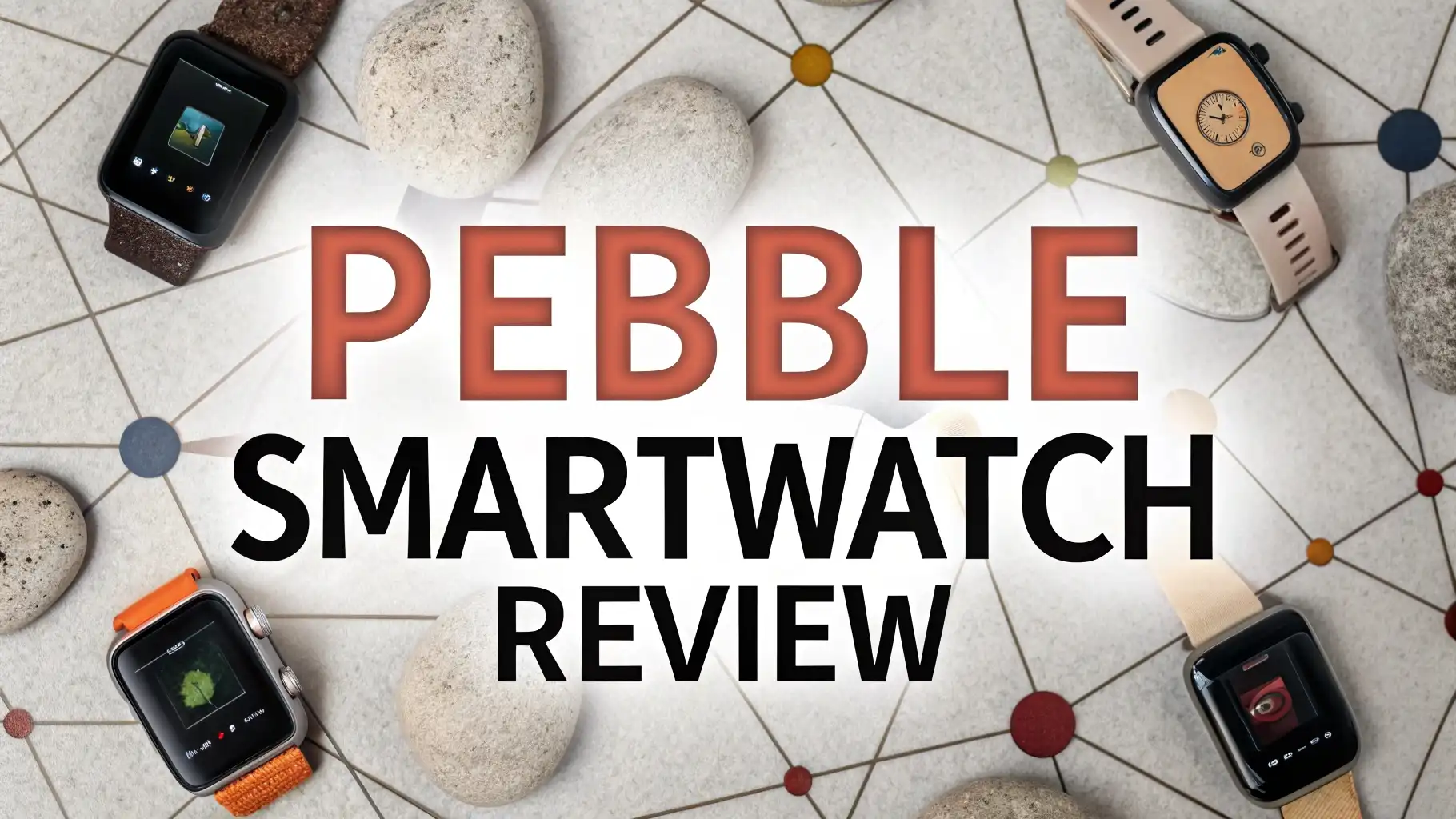
Pebble Smartwatch Review: The Ultimate Guide in 2026
The smartwatch market is flooded with options, but few devices have captured the hearts of tech enthusiasts quite like the Pebble smartwatch.
This e-paper display pioneer changed the game when it launched on Kickstarter in 2012. Today, we explore everything you need to know about Pebble smartwatches and discover the best alternatives available on Amazon.
We’ll dive deep into the features, performance, and practical applications that make these watches stand out from the crowd.
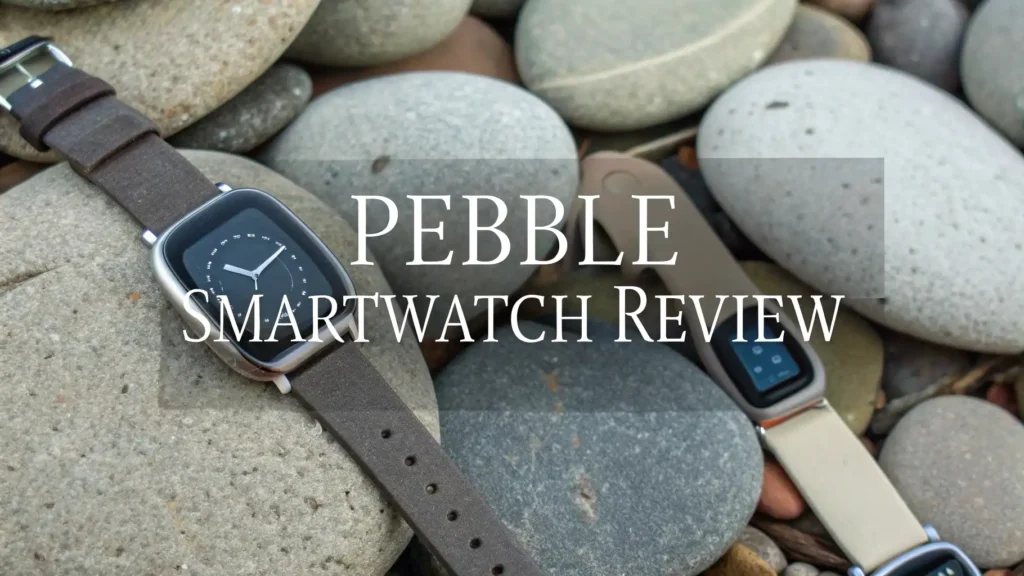
Key Takeaways:
- Battery Life Champion: Pebble watches deliver exceptional battery performance, with newer models lasting up to 30 days on a single charge. This crushes the competition where most smartwatches barely survive two days.
- E-Paper Display Technology: The always-on e-paper screen provides excellent outdoor visibility without draining battery. You can read notifications in bright sunlight without squinting or struggling.
- Cross-Platform Compatibility: Works seamlessly with both Android and iOS devices, making it one of the most versatile smartwatch options available today.
- Water Resistance: Most Pebble models feature 5 ATM water resistance, allowing you to swim, shower, and dive up to 40 meters without worry.
- App Ecosystem: Access to over 10,000 apps and watch faces means endless customization options to match your lifestyle and preferences.
- Affordable Alternative: Compared to premium smartwatches costing $400 or more, Pebble-style watches offer budget-friendly options starting under $30 while delivering essential smartwatch functionality.

Understanding the Pebble Smartwatch Legacy
The Pebble smartwatch story begins with a revolutionary Kickstarter campaign that raised over $10 million in 2012. This crowdfunding success showed the world that consumers wanted smartwatches that focused on simplicity, functionality, and battery life rather than trying to be miniature smartphones.
What made Pebble special was its focus on doing the basics exceptionally well. The original Pebble featured a black and white e-paper display that remained always-on without killing battery life. Users could check the time, receive notifications, control music, and track basic fitness metrics without constantly worrying about charging their device.
The company released several models over the years, including the Pebble Time with a color display, the premium Pebble Steel with stainless construction, and the round Pebble Time Round. Each iteration improved upon the last while maintaining the core philosophy of extended battery life and readable displays.
Although Fitbit acquired Pebble in 2016 and shut down operations, the passionate community kept the platform alive through the Rebble project. In 2026, the brand made a comeback with new models, proving that the demand for simple, long-lasting smartwatches never disappeared.
E-Paper Display Technology Explained
The secret behind Pebble’s incredible battery life lies in its e-paper display technology. Unlike traditional LCD or OLED screens found in most smartwatches, e-paper displays consume minimal power. They work by reflecting ambient light rather than generating their own illumination.
This memory LCD technology saves display state directly in the pixels themselves. Once an image appears on screen, it requires no power to maintain that image. The watch only uses energy when updating the display to show new information. This fundamental difference explains why Pebble watches last weeks while competitors drain overnight.
The always-on feature means you can glance at your wrist anytime to check the time or notifications without performing a wrist gesture or tapping the screen. This instant readability becomes incredibly convenient in daily use, especially when your hands are full or you’re in meetings.
Outdoor visibility represents another major advantage. While OLED screens become nearly invisible in direct sunlight, e-paper displays actually look better in bright conditions. Runners, cyclists, and outdoor enthusiasts appreciate being able to check their stats without finding shade or cupping their hand over the screen.
The trade-off comes in color reproduction and refresh rates. E-paper displays offer limited colors and slower screen updates compared to modern OLED technology. However, for basic smartwatch functions like notifications, time display, and fitness tracking, these limitations rarely impact the user experience.
Battery Life That Actually Lasts

Battery life remains the biggest pain point for most smartwatch users. Premium devices like the Apple Watch require daily charging, while Samsung Galaxy watches typically last two to three days maximum. This constant charging becomes a hassle that many people simply give up on.
Pebble smartwatches flip this script entirely. The original Pebble models lasted five to seven days on a single charge with typical use. The newer models announced in 2026 pushed this even further, achieving up to 30 days of battery life. This month-long runtime means you can travel without packing another charger.
The extended battery life comes from several engineering decisions working together. The e-paper display uses minimal power. The processor runs efficiently without trying to handle complex graphics. The watch focuses on essential smartwatch functions rather than running power-hungry apps like video streaming or gaming.
Real-world usage affects battery life significantly. Heavy users who constantly change watch faces, run multiple apps, and use the backlight frequently might see shorter runtimes. However, even with heavy use, Pebble watches typically last well over a week. Conservative users who stick with simple watch faces and basic notifications can easily reach the 30-day mark.
This practical battery performance changes how you interact with your smartwatch. You stop obsessing about battery percentage and charging schedules. The watch simply works, day after day, without requiring constant attention or planning.
Top 3 Alternatives for Pebble Smartwatch


Water Resistance and Durability Features

Pebble watches earn high marks for rugged durability. Most models feature 5 ATM water resistance, which translates to protection against water pressure at depths up to 40 meters or approximately 130 feet. This rating means you can confidently wear your Pebble while swimming, showering, or diving.
The waterproofing extends beyond just the watch body. Pebble designed the charging ports, buttons, and speaker openings to resist water intrusion. Users report wearing their watches in pools, oceans, and even hot tubs without experiencing any problems. The silicone bands resist water damage and dry quickly after exposure.
Construction quality contributes to long-term durability. The Pebble Steel models featured stainless steel bodies that resisted scratches and dents better than plastic alternatives. Gorilla Glass protected the display from impacts and scratches during daily wear. The overall build quality felt solid without being overly heavy or bulky.
Smartphone Compatibility and Connectivity
One of Pebble’s greatest strengths is its universal compatibility. The watches work equally well with both Android and iOS devices, unlike some competitors that favor their own ecosystem. This flexibility means you can switch phones without losing your smartwatch investment.
Setting up a Pebble watch requires downloading the companion app on your smartphone. The pairing process happens via Bluetooth connection and typically completes in under a minute. Once paired, the watch maintains a stable connection with your phone, receiving notifications and syncing data automatically.
App Ecosystem and Customization Options
No products found.
The Pebble platform boasts over 10,000 apps and watch faces created by developers and enthusiasts worldwide. This extensive library means you can customize your watch to match your specific needs and preferences. The variety ranges from practical utilities to fun entertainment options.
Popular app categories include fitness trackers, weather apps, calendar integrations, navigation tools, and notification managers. The fitness apps offer detailed tracking for running, cycling, swimming, and other activities. Weather apps provide forecasts and current conditions at a glance. Calendar apps show upcoming events and meetings without checking your phone.
Watch faces deserve special attention because they define your watch’s appearance. Options range from minimalist digital displays to analog clock faces, from fitness-focused designs showing step counts to playful animated faces. Many watch faces include complications showing weather, battery life, or calendar information.
Fitness Tracking Capabilities

Pebble watches include basic fitness tracking features that cover essential health monitoring needs. Built-in accelerometers count your steps throughout the day, tracking your movement and activity levels. The watch calculates distance traveled and calories burned based on your profile information.
Sleep tracking provides insights into your rest patterns. The watch automatically detects when you fall asleep and wake up, tracking sleep duration and quality. Some apps break down sleep into light and deep phases, helping you understand your sleep habits and make improvements.
The newer Pebble models include heart rate monitors that track your pulse during exercise and throughout the day. This data helps you understand workout intensity and identify your resting heart rate trends. The optical sensors provide reasonably accurate readings compared to chest strap monitors.
Notification Management Done Right
The primary purpose of any smartwatch is displaying notifications from your phone, and Pebble excels at this fundamental task. When notifications arrive, the watch vibrates gently and displays the message content clearly on the e-paper screen. The vibration patterns are distinctive enough to notice but not disruptive.
Notification details include sender information, message preview text, and relevant app icons. For text messages, you see the entire message content if it fits on screen, with the ability to scroll for longer messages. Email notifications show subject lines and the first few sentences of the body text.
Quick actions add functionality without touching your phone. You can dismiss notifications, mark emails as read, archive messages, or trigger preset responses depending on the app. Some apps support voice replies through the watch’s built-in microphone on supported models.
Voice Commands and Smart Features

Newer Pebble-style smartwatches incorporate voice assistant integration for hands-free control. Some models support Alexa, allowing you to ask questions, control smart home devices, set reminders, and perform searches using just your voice. This functionality adds convenience when your hands are occupied.
The built-in microphone quality determines voice recognition accuracy. Better microphones pick up your voice clearly even in noisy environments. Speaking naturally produces better results than shouting at your watch. The processing happens on your phone, so internet connectivity is required.
Bluetooth calling represents a significant upgrade in modern alternatives. You can answer phone calls directly from your wrist and conduct conversations through the watch’s speaker and microphone. Sound quality varies by model but generally works well for brief calls in quiet settings.
Comparing Pebble to Modern Smartwatch Alternatives
The smartwatch market evolved significantly since Pebble’s initial launch. Apple Watch dominates iOS users with deep ecosystem integration and premium features. Samsung Galaxy watches offer similar capabilities for Android users. Both provide advanced health monitoring, larger app selections, and more powerful processors.
However, these premium devices come with significant trade-offs. Battery life rarely exceeds two days, requiring daily or alternate-day charging. Screens become difficult to read in bright sunlight. The devices cost $300 to $500 or more. Complex interfaces require learning curves that intimidate some users.
Budget smartwatches have flooded Amazon, offering Pebble-like simplicity at affordable prices. These devices typically feature color displays, fitness tracking, notification support, and decent battery life. Prices range from $20 to $50, making them accessible to everyone.
Setting Up Your Pebble-Style Smartwatch
Getting started with your new smartwatch takes just a few minutes. First, charge the device fully using the included charging cable. Most models use magnetic charging connectors that snap onto the watch back or USB cables that plug into the device.
Download the companion app from your phone’s app store. Search for the specific brand name and install the official app. Open the app and create an account if required. Grant the necessary permissions for Bluetooth, notifications, and location services.
Power on your watch by pressing and holding the main button. The startup screen appears, often displaying the brand logo and setup instructions. Enable Bluetooth on your smartphone if not already active. The watch typically enters pairing mode automatically on first boot.
Within the companion app, tap the button to add a new device or begin pairing. Your phone scans for nearby Bluetooth devices. Select your watch from the list of available devices. Confirm the pairing code if prompted to ensure you’re connecting to the correct device.
Maintenance and Care Tips
Proper maintenance extends your smartwatch’s lifespan significantly. Clean the watch regularly using a soft, damp cloth to remove sweat, dirt, and oils. Avoid harsh chemicals or abrasive materials that might damage the screen or body. Mild soap and water work well for stubborn grime.
The band requires special attention because it contacts your skin constantly. Remove the band periodically and clean both the band and the area where it attaches to the watch body. This prevents buildup of bacteria, dead skin, and moisture that can cause irritation or odors.
Charging port maintenance prevents connectivity problems. Check the charging contacts occasionally for corrosion or debris. Clean them gently with a dry cotton swab if necessary. Ensure the charging cable aligns properly with the contacts to establish a good connection.
Is a Pebble-Style Smartwatch Right for You?
Choosing the right smartwatch depends on your priorities and usage patterns. Pebble-style watches suit users who value simplicity, battery life, and readability above cutting-edge features. If you want basic notifications, fitness tracking, and time display without daily charging, these watches deliver.
Outdoor enthusiasts benefit particularly from e-paper displays. The excellent sunlight visibility means you can check stats during runs, hikes, or bike rides without struggling to see your screen. The water resistance allows swimming and water sports without worry.
Budget-conscious shoppers find tremendous value in Pebble alternatives. Spending $30 to $50 gets you essential smartwatch functionality that covers most users’ needs. You avoid the premium prices of flagship devices while still enjoying modern conveniences.
Minimalists appreciate the straightforward interface and focused feature set. These watches don’t overwhelm you with excessive options or try to replace your smartphone. They complement your phone by providing convenient access to important information without constant phone checking.
Frequently Asked Questions
How long does a Pebble smartwatch battery last?
Original Pebble models typically last five to seven days on a single charge with normal use. The newer models released in 2026 achieve up to 30 days of battery life thanks to improved battery technology and efficient e-paper displays.
Can Pebble smartwatches work with both iPhone and Android?
Yes, Pebble watches are compatible with both iOS and Android devices. You download the companion app from either the Apple App Store or Google Play Store, pair your watch via Bluetooth, and enjoy full functionality regardless of your phone brand.
Are Pebble smartwatches waterproof?
Most Pebble models feature 5 ATM water resistance, which means they can withstand water pressure at depths up to 40 meters or approximately 130 feet. You can safely wear your Pebble while swimming, showering, or diving. The watches were tested in both fresh and salt water environments.
What is e-paper display technology?
E-paper displays use reflected ambient light rather than generating their own illumination like LCD or OLED screens. This technology consumes minimal power because it only uses energy when updating the display content, not when maintaining a static image. E-paper screens remain easily readable in direct sunlight, unlike traditional displays that wash out in bright conditions.
Can I download apps on a Pebble smartwatch?
Yes, the Pebble platform supports over 10,000 apps and watch faces created by developers worldwide. You browse and install apps through the companion app on your smartphone. Available apps include fitness trackers, weather apps, navigation tools, music controllers, games, and productivity utilities.
Do Pebble smartwatches track heart rate?
Some Pebble models include built-in heart rate monitors that track your pulse during exercise and throughout the day. The Pebble 2 and newer models feature optical heart rate sensors that measure blood flow through your wrist. Original Pebble models lack heart rate sensors but can pair with external chest strap monitors via Bluetooth.