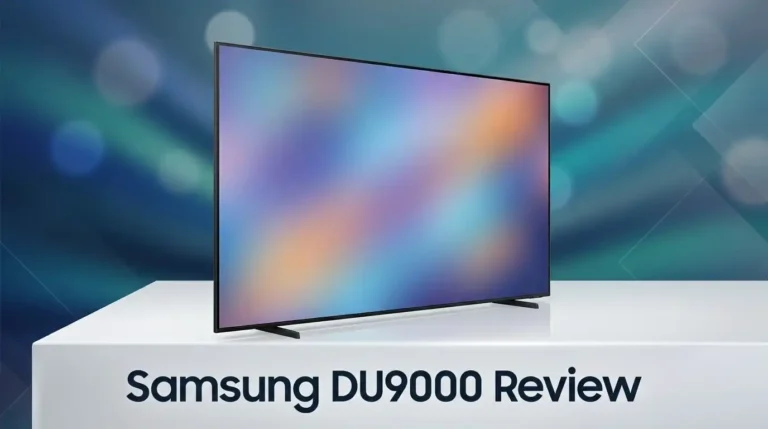
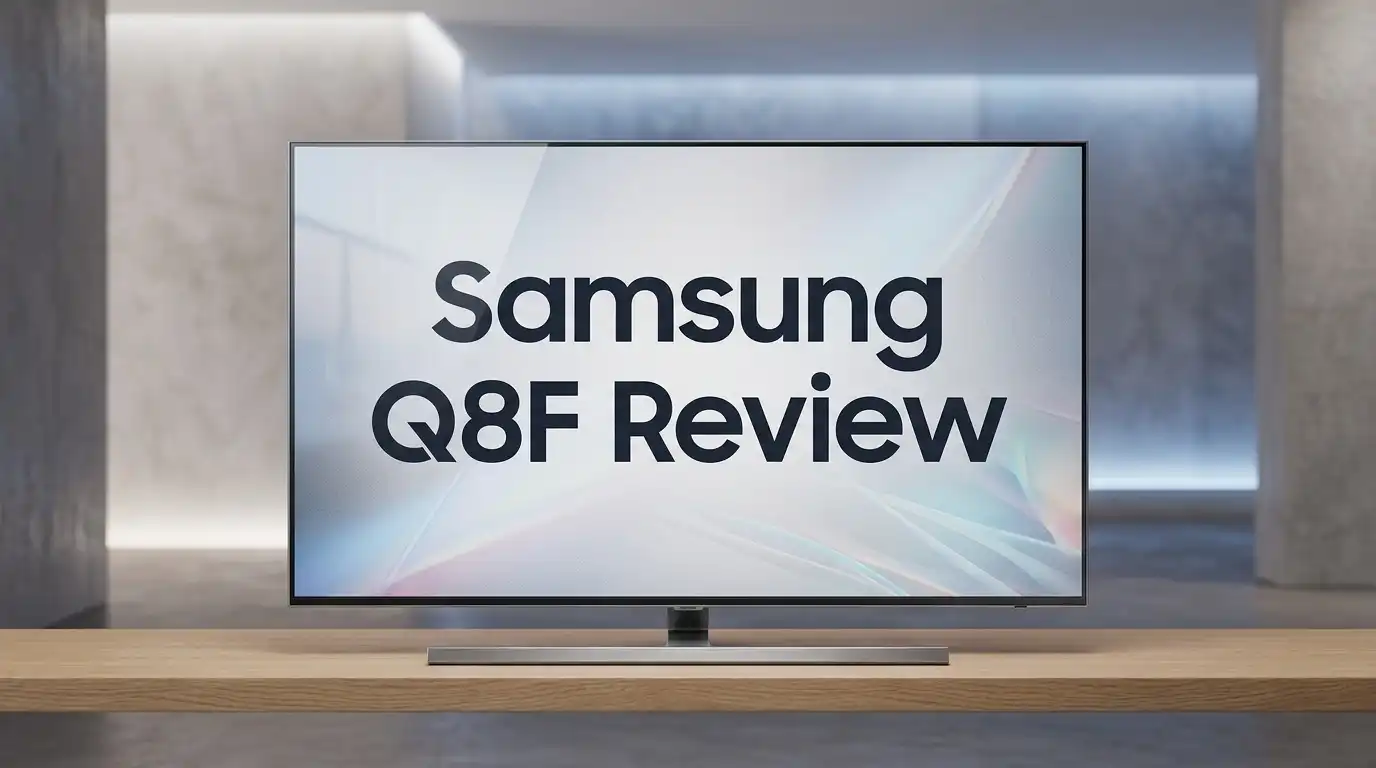
Samsung Q8F Review: Is It Still Worth Buying in 2025?
Is the Samsung Q8F still worth your attention today? This QLED TV brings 4K resolution and Vision AI processing to your living room. It promises bright, vivid pictures for everyday viewing.
The Q8F shines in well lit rooms. Its brightness and color saturation stand out immediately. Colors look accurate right out of the box, with no extra tweaking needed.
Gamers will notice the smooth performance too. The Q8F supports 4K at 120Hz, making fast action scenes look fluid. Upscaling and gradient handling also impress on this model.
In a Nutshell
- Bright room performance stands out. The panel delivers excellent brightness and strong color saturation. Colors look accurate right out of the box.
- Gaming feels smooth and responsive. With 4K 120Hz support, fast paced games run without lag or blur.
- Upscaling quality impresses. Vision AI processing handles gradients and lower resolution content nicely. Image processing feels sharp overall.
- Dark room viewing is a weak spot. Contrast stays low since the TV lacks full array local dimming. Black scenes often look gray instead of deep black.
- HDR content shows some flaws. Banding can appear in certain shades, which may bother detail focused viewers.
- Quality control issues exist. Some buyers report clouding, dead pixels, or burn in problems over time.
Picture Quality and Image Processing
The Samsung Q8F delivers exceptional brightness that makes it stand out in daylit spaces. Colors pop with impressive saturation, and the panel maintains accuracy straight from the box without heavy calibration. This means what you see on screen matches real life colors quite well.
Vision AI processing gives this TV an edge when handling upscaling. Lower resolution content gets smoothed out nicely, and gradients render without harsh steps. Gamers benefit from the 4K 120Hz support, which keeps motion fluid and responsive during fast action scenes.
However, the picture quality shows real limits in darker environments. The TV lacks full array local dimming, which means it cannot dim specific zones independently. This creates a fundamental contrast problem. Dark scenes appear gray rather than truly black, which weakens the cinematic experience.
HDR content reveals another weakness. Banding shows up in certain color shades, particularly in subtle gradients. If you watch detailed films or nature documentaries, you may notice these transitions look stepped rather than smooth. The low contrast issue compounds this problem.
The Q8F performs best when ambient light fills your room. Sunlight and bright overhead lighting help mask the contrast limitations. In these conditions, the excellent brightness and color accuracy shine through.
For dark room viewing, this TV falls short compared to competitors with local dimming zones. The Hisense U7Q and similar models handle shadow detail better. If your viewing space stays dim most of the time, you should consider alternatives.
The bottom line: Image processing strength and gaming performance make the Q8F solid for specific situations. Bright room viewing and SDR content look genuinely good. Gaming sessions run smoothly without lag. But poor black levels and contrast issues mean this TV struggles when lights go down. Match it to your actual room conditions and viewing habits before deciding.

Last update on 2026-09-19 / Affiliate links / Images from Amazon Product Advertising API Some of the links on this website are affiliate links, which means that at no additional cost to you, I earn a commission if you click through and make a purchase. I only recommend products and services that I believe will add value to my readers. Thank you for your support!
Design and Build Quality
The Samsung Q8F features a modern design that fits well in contemporary living rooms. The TV uses a sleek metal frame with minimal bezels around the screen. This clean aesthetic appeals to those who want their display to blend into their space rather than dominate it.
The build quality feels solid throughout. The stand sits low and stable, holding the TV firmly without wobbling. The back panel uses plastic construction, which is standard for this TV class. Cable management options exist, though they remain basic compared to premium models.
The panel itself measures well in thickness. The Q8F doesn’t stick far from your wall if you mount it. This makes installation straightforward for most living rooms. The weight distribution balances nicely, so mounting feels secure once installed.
Durability shows mixed results based on user reports. Some owners report dead pixels appearing after a few months of use. Others mention clouding in specific areas of the screen. Burn in concerns exist too, particularly for static images displayed repeatedly. These issues suggest the panel has some vulnerability over extended use.
The remote feels comfortable in your hand. Button layout follows Samsung’s standard design, so existing Samsung owners will recognize it immediately. The remote pairs easily and responds quickly to commands. However, it lacks the premium feel of higher end remotes.
Cooling and ventilation work adequately. The TV doesn’t get excessively hot during normal operation. Vents on the back allow proper airflow. This keeps internal components from overheating during extended gaming sessions or movie marathons.
The overall construction sits in the middle ground. The Q8F looks good on your wall and handles daily use without problems. The design doesn’t scream premium, but it avoids looking cheap either. For buyers prioritizing performance over luxury materials, the design hits the mark. Just be aware that some users experience panel defects, so checking for dead pixels early matters when you first receive your TV.
Gaming Performance and Refresh Rates
The Samsung Q8F brings solid gaming credentials to the table with its 4K 120Hz support. Your fast paced games will run without lag or blur, making competitive titles feel responsive and smooth.
The TV handles frame rates beautifully. Whether you’re playing action games or sports titles, the motion processing keeps up without introducing unwanted artifacts. Smooth gaming performance stands as one of the Q8F’s genuine strengths.
Refresh rate capability matters for console gamers. The Q8F meets modern gaming demands with its 120Hz panel. PlayStation 5 and Xbox Series X owners will appreciate the full compatibility here. You get the performance these consoles promise without bottlenecks.
Upscaling plays a big role in gaming quality. Many games run at lower than native 4K resolution. The Vision AI processing steps in to fill the gap intelligently. Gradient handling impresses, especially when you’re moving through detailed game environments. Lower resolution content gets a noticeable boost without looking artificially sharp or false.
Input lag stays minimal on this model. You won’t experience delays between your controller input and on screen action. Gamers who demand quick response times will find the Q8F acceptable for their needs.
One limitation appears in dark gaming scenarios. Since the TV lacks full array local dimming, black levels appear gray rather than true black. Games set in shadowy environments won’t look as dramatic as they could. The low contrast means you lose some visual impact in night scenes or underground levels.
HDR gaming shows mixed results. Bright HDR highlights pop nicely thanks to excellent peak brightness. However, the banding issue creeps into darker HDR shades. Detailed scenes with subtle color gradients may reveal visible steps rather than smooth transitions.
The Q8F works best for brightly lit gaming rooms. Your daytime gaming sessions will look fantastic. Evening play in well lit spaces also performs well. For late night gaming in dark rooms, you’ll notice the TV’s limitations more clearly. Consider your typical gaming environment when evaluating whether this TV fits your needs.
Top 3 Alternatives
LG OLED TV

Last update on 2026-09-19 / Affiliate links / Images from Amazon Product Advertising API Some of the links on this website are affiliate links, which means that at no additional cost to you, I earn a commission if you click through and make a purchase. I only recommend products and services that I believe will add value to my readers. Thank you for your support!
Sony Bravia XR

Last update on 2026-09-19 / Affiliate links / Images from Amazon Product Advertising API Some of the links on this website are affiliate links, which means that at no additional cost to you, I earn a commission if you click through and make a purchase. I only recommend products and services that I believe will add value to my readers. Thank you for your support!
TCL QM8 Mini LED


Last update on 2026-09-19 / Affiliate links / Images from Amazon Product Advertising API Some of the links on this website are affiliate links, which means that at no additional cost to you, I earn a commission if you click through and make a purchase. I only recommend products and services that I believe will add value to my readers. Thank you for your support!
Brightness and Color Accuracy
The Samsung Q8F delivers exceptional brightness that makes it shine in well lit spaces. This TV produces vibrant colors straight out of the box without needing heavy calibration. You get accurate color representation across most content types.
The brightness levels give you a real advantage when watching in rooms with windows or overhead lighting. Sunlight won’t wash out your picture the way it does on dimmer displays. This makes the Q8F excellent for daytime viewing and sports watching.
Color saturation stands out as a genuine strength. The QLED technology produces rich, punchy colors that grab your attention. Reds pop, blues feel deep, and greens look natural. You notice this immediately when switching from older TV models.
However, brightness comes with a trade off. The Q8F struggles with black levels because it lacks full array local dimming. Dark scenes appear gray rather than truly black. This weakness becomes obvious in dark rooms where contrast matters most.
HDR content reveals another limitation. While the TV handles bright HDR highlights well, darker HDR shades show banding issues. Subtle color transitions can look stepped instead of smooth. Detail focused viewers may spot these imperfections in shadow areas.
The Vision AI processing helps with color accuracy in upscaled content. Lower resolution material gets smoothed out nicely. This keeps older movies and shows looking respectable on the large screen.
The real story emerges when you consider your room environment. Bright, naturally lit spaces get the best results from this TV. The excellent brightness and color accuracy shine in these conditions. Dim rooms or dedicated home theater setups reveal the Q8F’s weaknesses more clearly.
For SDR content in daylight conditions, the Q8F performs admirably. Colors stay accurate and brightness never feels insufficient. Gaming in bright rooms also benefits from these strengths. Just understand that dark room viewing requires accepting compromises on contrast and black levels compared to competitors with local dimming technology.
Performance in Different Room Lighting
The Samsung Q8F shows dramatically different behavior depending on your room’s lighting conditions. This distinction matters far more than most people realize when choosing a TV.
In bright rooms with natural sunlight or strong overhead lighting, the Q8F truly excels. The exceptional brightness output becomes your biggest advantage here. Windows and daylight don’t wash out the picture like they do on dimmer TVs. Colors pop with real vibrancy thanks to the QLED panel. You get a crisp, engaging viewing experience throughout the day without drawing curtains.
The situation changes completely once you dim the lights. Black levels become a real problem in darker environments. Dark scenes display grays instead of true blacks because the TV lacks full-array local dimming zones. This limitation becomes especially noticeable during evening viewing or when watching movies in a dedicated dark room. The contrast ratio suffers significantly compared to competitors that include dimming technology.
Banding issues emerge in HDR content when the room gets darker. You’ll notice visible bands of color in gradual transitions rather than smooth blending. This happens because the panel cannot adjust brightness zone by zone. Standard dynamic range content actually performs better in these conditions since it avoids this particular problem.
For gaming in low light, expect similar challenges. Dark gaming scenarios reveal the TV’s weakness. You lose detail in shadow areas that other TVs would preserve. Bright, colorful games work fine, but horror titles or atmospheric games show the limitation clearly.
The Vision AI processing helps somewhat by improving color accuracy in upscaled content across all lighting situations. However, no software fix can overcome the hardware limitation of missing local dimming.
Your room environment should drive your decision here. The Q8F remains an excellent choice for living rooms with plenty of natural light. Bedrooms, media rooms, or home theaters where you control the darkness? This TV becomes a compromise. Know your typical viewing conditions before buying. The Q8F performs best when you work with bright spaces, not against them.
Pros and Cons
Pros
- Delivers exceptional brightness that dominates in well lit rooms with natural sunlight or overhead lighting
- Color saturation shines with QLED technology producing rich, punchy colors that grab your attention
- Accurate colors come straight out of the box without heavy calibration needed
- Strong upscaling and gradient handling make older content look sharper and smoother
- Smooth 4K 120Hz gaming performance with minimal input lag for console gamers
Cons
- Low contrast and missing full array local dimming means black levels appear gray instead of true black
- Banding issues emerge in HDR content, especially noticeable when rooms get darker
- Poor performance in dark rooms makes this TV unsuitable for home theater or nighttime viewing
- Reports of clouding, dead pixels, and burn in issues affect some units
Who Should Buy It
The Samsung Q8F works best for specific types of viewers and room setups. If you watch TV in bright spaces with natural sunlight or overhead lighting, this model shines. Your living room gets plenty of daylight? The Q8F’s exceptional brightness becomes a real asset here. You won’t struggle with glare or washed out colors like you might with dimmer TVs.
Sports fans and casual viewers benefit most from this TV. You get excellent color saturation and accurate colors right out of the box. The Vision AI processing handles upscaled content well, so older shows and movies look sharper than they should. Streaming apps and cable channels perform admirably on this screen.
Gamers with well lit gaming spaces should consider the Q8F seriously. The 4K 120Hz performance runs smooth with minimal input lag. Console gaming feels responsive and sharp. Just avoid dark gaming rooms where the low contrast becomes frustrating.
Skip the Q8F if you’re a home theater enthusiast. Dark room viewing reveals major weaknesses. Black levels appear gray instead of true black. Banding issues emerge in HDR content when lights dim down. If you watch movies at night in a dark room, you’ll feel disappointed by the poor contrast and missing full array local dimming.
The Q8F also isn’t ideal if you own a large media collection on physical media. Gradient handling helps somewhat, but banding still appears in many HDR titles during darker scenes.
Buyers who prioritize SDR content make excellent matches for this TV. Broadcast television, sports, and daytime streaming look fantastic. The bright, punchy image suits these formats perfectly.
Ultimately, ask yourself one question: Do I watch TV mainly in bright rooms? If yes, the Q8F deserves serious consideration. If you spend evenings watching movies in darkness, look at competitors with better contrast and local dimming. Your room’s lighting matters more than any other factor when choosing this Samsung model.
Final Verdict
The Samsung Q8F still holds up in 2025, but only for the right buyer. This TV shines brightest in daylight rooms where its color pop and sharp upscaling make everyday viewing enjoyable.
However, some reliability concerns deserve your attention. Scattered reports mention clouding, dead pixels, and even burn in on certain units.
These issues appear inconsistent across buyers. Still, it’s worth checking your warranty terms and return window before you commit to this panel.
Compared to rivals, the Q8F sits in a strange spot. The Samsung Q7F costs less but offers fewer features overall.
Meanwhile, options like the TCL QM series and Hisense U7Q often deliver better contrast for similar money. If dark room performance matters to you, these competitors might serve you better.
The Samsung QN70F also competes closely within Samsung’s own lineup. It shares similar strengths and weaknesses with the Q8F, so your choice may come down to size availability and stock.
So who should actually buy this TV? Casual streamers who watch shows during the day fit perfectly. Console gamers with bright setups will also enjoy smooth 120Hz performance.
Skip this model if home theater quality matters to you. Movie lovers who watch films at night will notice the gray blacks quickly.
Think about your typical viewing schedule before deciding. Do you watch mostly during daytime hours? Does your living room get plenty of natural light?
If both answers are yes, the Q8F fits your lifestyle well. This TV won’t replace a dedicated home theater display, but it doesn’t try to.
Instead, it delivers reliable daytime performance with vibrant colors and smooth gaming. For the right room and the right viewer, that combination still works well in 2025.
Frequently Asked Questions
Is the Samsung Q8F still worth buying in 2025?
Yes, but only if you watch TV mainly in bright rooms. The Q8F excels with daylight viewing and SDR content like sports and streaming shows. It delivers excellent color saturation and accurate colors straight out of the box.
However, skip it for dark room viewing or home theater setups. The low contrast and gray black levels become obvious when lights dim. Reliability concerns like clouding and dead pixels also affect some units, so check your warranty carefully.
How does the Q8F compare to other Samsung models?
The Q8F sits above the Q7F, which costs less but offers fewer features. The QN70F competes closely within Samsung’s lineup and might suit you better depending on your room brightness.
Outside Samsung, the TCL QM series and Hisense U7Q often deliver better contrast for similar money. These rivals handle dark rooms much better than the Q8F does.
Will the Q8F perform well for gaming?
Absolutely. You get smooth 4K 120Hz gaming with minimal input lag. Console gamers in well lit spaces will notice crisp motion and responsive gameplay.
Just remember that dark gaming sessions will reveal the weak black levels. The TV shines during daytime gaming in bright rooms.
What content looks best on this TV?
Broadcast television, sports, and daytime streaming shine on the Q8F. Casual viewers who watch shows during work hours get the most from this screen.
HDR content can show banding issues, especially in darker scenes. Older movies on physical media may also disappoint due to the contrast limitations.
Hello everyone my name is Alenya and i am a gadget discovering Enthusiast 🐻🐻