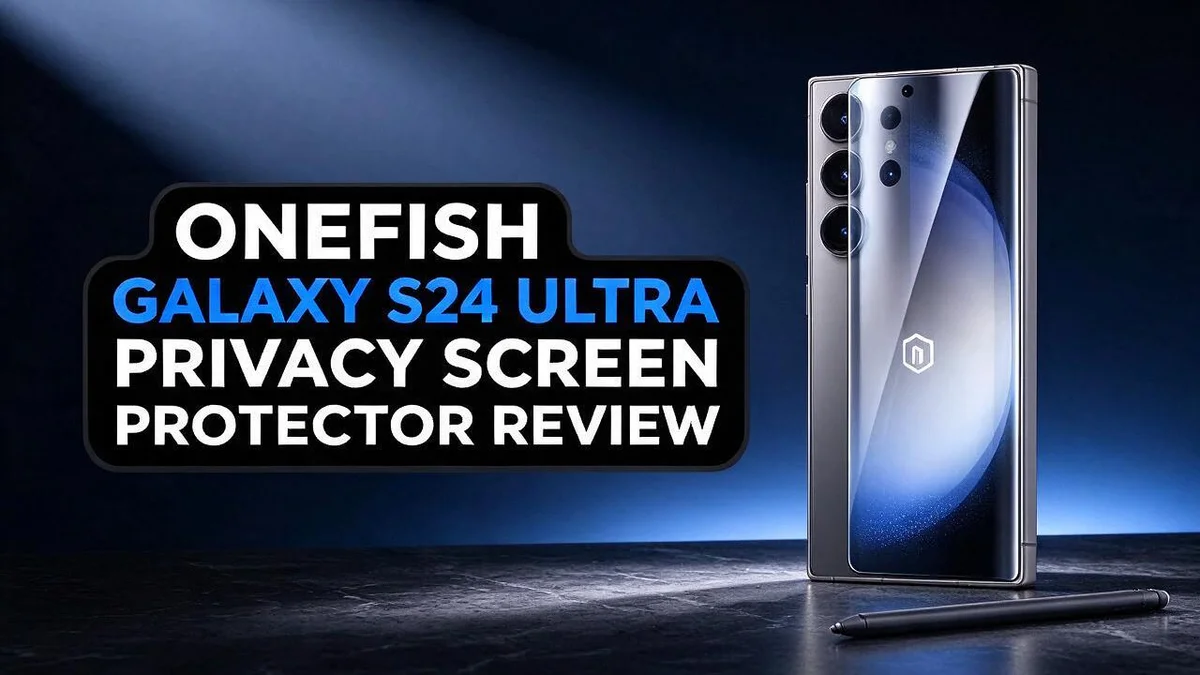
OneFish Galaxy S24 Ultra Privacy Screen Protector Review: Buy or Pass?
Your phone holds your messages, photos, and bank apps. Anyone standing beside you can peek at that screen in seconds. That is why a privacy screen protector matters so much.
This review takes a close look at the OneFish Galaxy S24 Ultra Privacy Screen Protector. We want to show you how it works, what it does well, and where it may fall short. Read on to see if it fits your daily life.
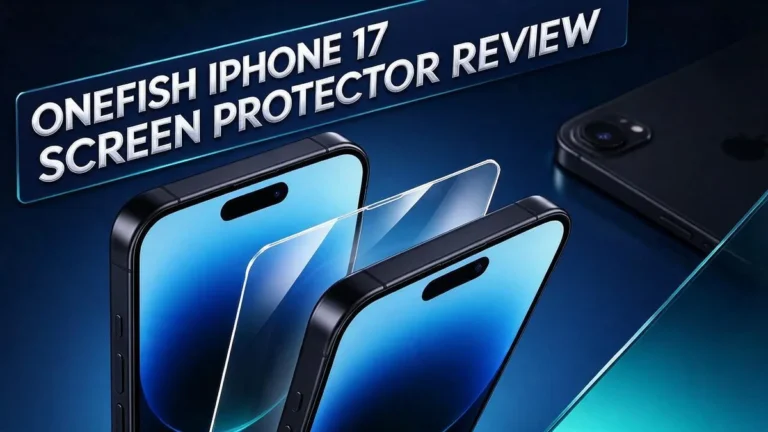
The main idea is simple. The side view privacy filter darkens the display when someone looks from an angle. You still see your screen clearly straight on. Strangers sitting next to you see very little.
Protection comes from 9H tempered glass that resists scratches. The coating also resists smudges, so your screen stays cleaner. Installation feels easy thanks to the alignment tray.
In a Nutshell
-
Side view privacy: People sitting beside you see a dark, hard to read screen. You still see your content clearly from the front, so your texts and apps stay easy to use.
-
Easy setup: The included installation tray helps you line up the film with the screen. Most owners find the process simple, which means less stress and fewer bubbles.
-
Smudge control: The coating helps keep fingerprints off the surface. Wiping the screen takes less effort, especially after a long day of scrolling.
-
Check your unlock method first: Fingerprint and Face ID support for this exact S24 Ultra model is not confirmed. Test your unlock method before you commit to the film, so you avoid surprises.
-
Expect a darker view from angles: The screen gets darker when you look at it from the sides. This is the privacy effect working as designed, not a defect.
-
Consider a clear alternative: ZAGG InvisibleShield is reported to work well with the S24 Ultra’s fingerprint sensor. If you want a clear look with no privacy tint, a standard clear protector may suit you better.
Key Features and Materials

Last update on 2026-10-30 / Affiliate links / Images from Amazon Product Advertising API Some of the links on this website are affiliate links, which means that at no additional cost to you, I earn a commission if you click through and make a purchase. I only recommend products and services that I believe will add value to my readers. Thank you for your support!
Materials matter more than many buyers expect. This film does two jobs at once. It must guard the screen and hide what appears on it.
The listing cites a privacy angle of about 28°. That number sets the zone where the image stays readable. Anyone sitting outside that zone sees very little.
Think about where you use your phone. A train seat, an open office, or a busy café puts strangers close by. A narrow angle helps most in those spots.
The privacy layer sits on top of the glass. It works as a light filter, so it does not add new features. Your phone keeps the same apps and settings.
Read the model name closely before you order. Some OneFish listings mention a 360 degree four way privacy claim. That claim applies to a different model made for the iPhone 16 Pro Max.
Always confirm the fit for your exact phone. A film made for another model can leave gaps at the edges. Check the product title and the compatibility notes first.
Clear film is another route to consider. The MAGIC JOHN two pack uses HD clear glass without any privacy layer. Pick clear glass if you show photos or videos to friends often.
Your daily habits should guide the choice. Sun glare, dim rooms, and frequent travel all change how the filter feels. Test the film for a few days before you decide.
Care matters after installation too. Clean the surface with a soft microfiber cloth. Avoid harsh sprays because they can weaken the adhesive edges over time.
Touch response is another point to test. Try typing, swiping, and scrolling for a few minutes after you apply the film.
Small details add up over time. A film that stays flat and clear helps you use the phone with less worry.
Privacy Viewing Angle Performance
Viewing angle performance decides if the film does its job. You need a clear screen for yourself and a dark one for everyone else.
Straight on, the display should look normal to you. Brightness and text size stay easy to read from your seat.
The real test happens in daily life. Sit on a train or in a waiting room, then check what a neighbor can read. Try it in both bright light and dim light.
Lighting changes the result. Strong overhead light or sunshine can wash out the dark edges. Your neighbor may still struggle, but glare can make your own screen harder to see too.
Watching videos needs a separate check. Turn your phone sideways and play a short clip. Look at colors and contrast from your normal position. Simple scenes often show the effect best.
Typing passcodes deserves extra attention. Shoulder surfers often look at keypads from an angle.
Open a banking or notes app and type slowly while a friend watches from the side. Ask them what they could read.
Brightness settings also play a role. Lower brightness often strengthens the privacy effect. Many people keep auto brightness off in busy public spaces.
Avoid expecting full secrecy from any film. A determined person close behind you may still read large text. Set realistic expectations early so you feel satisfied with the result.
Test the film in your usual spots. Your bus seat, office desk, and café table each present different angles. A short check in each place shows what to expect.
Angle matters as much as distance. Holding the phone flat on a table changes what nearby people see.
Notifications need a check too. A quick glance at the top edge may show less than you expect.
Pair the film with a shorter screen timeout. Your phone then hides content sooner when you step away.
Installation and Alignment
Start in a clean room with low dust. Wash your hands and wipe the phone with a soft cloth. Dust trapped under the film creates tiny bubbles, and those bubbles often stay put.
Close windows and turn off fans before you begin. Loose lint in the air can settle under the edge and look like a bubble.
Keep the phone flat on a table during the process. A flat surface stops the film from sliding around.
Peel the film carefully. Hold it by the edges so skin oils stay off the sticky side. Oils can leave dull spots that show under bright light.
Check the camera cutout before you press anything. Line up the front camera hole and top edge first. A small shift there shows up fast in daily use.
Lower the film from one side first. Let the opposite side hover in the air. This slow method pushes air out ahead of the film.
Press from the center outward with a soft card or cloth. Work in short, gentle strokes until the edges meet the glass.
Check the corners with your fingertip. Feel for lifted areas that need another gentle press. Take your time with the final press, since rushing often causes uneven spots.
Look at the screen under light after pressing. Tilt the phone so light hits the surface. Small bubbles and dust show up this way.
Fix bubbles early. Lift one corner gently and reapply the film. Forcing it down can leave a mark.
Recheck the alignment after ten minutes. Small shifts are easier to fix before the adhesive grips.
Keep your phone away from hot surfaces while the film settles. Heat can soften the adhesive.
Expect a short adjustment period. Your eyes may need a day to get used to the new surface feel.
Wait before you add a case. Give the edges time to settle first.
Top 3 Alternatives
Spigen Privacy Screen

Last update on 2026-10-30 / Affiliate links / Images from Amazon Product Advertising API Some of the links on this website are affiliate links, which means that at no additional cost to you, I earn a commission if you click through and make a purchase. I only recommend products and services that I believe will add value to my readers. Thank you for your support!
Spigen is a well known name in phone accessories. This privacy screen protector helps block side views on your Galaxy S24 Ultra.
It is easy to line up and install. It works well if you often check messages in crowded places.
JETech Privacy Screen

Last update on 2026-10-30 / Affiliate links / Images from Amazon Product Advertising API Some of the links on this website are affiliate links, which means that at no additional cost to you, I earn a commission if you click through and make a purchase. I only recommend products and services that I believe will add value to my readers. Thank you for your support!
JETech focuses on simple setup and clear protection. This option uses a privacy layer that darkens the screen when someone looks from an angle.
You can still read your apps and texts from the front. The film is designed to reduce trapped air during installation. It suits commuters who use their phones on trains or buses.
amFilm Privacy Screen

Last update on 2026-10-30 / Affiliate links / Images from Amazon Product Advertising API Some of the links on this website are affiliate links, which means that at no additional cost to you, I earn a commission if you click through and make a purchase. I only recommend products and services that I believe will add value to my readers. Thank you for your support!
amFilm offers a privacy protector that combines a tough surface with a clear privacy filter. The surface helps guard against small scratches from keys and coins.
You get protection and privacy in one simple layer. It is a good choice for anyone who wants everyday coverage for a Galaxy phone.
Sensor and Touch Compatibility
Touch and sensor performance matters just as much as the privacy effect. The Galaxy S24 Ultra reads fingerprints under the glass. Any layer over that area can change how well the reader works.
Fingerprint and Face ID compatibility for this exact OneFish model is not confirmed. That gap means you should test both features right after you install the film.
Some users report that a ZAGG clear film works well with the fingerprint sensor. That is a useful reference point, but it does not prove the same result for this product.
Set up your fingerprint again after installation. Open the security settings and add a finger. Then unlock the phone several times with that same finger.
Try each finger you use often. Thumbs, index fingers, and your most used finger can behave differently. Test each one at least five times.
Face unlock depends on the front camera and nearby sensors. Test it in dim light and in bright light. A film can change how the camera reads your face.
Watch the proximity sensor during calls. The screen should turn off when you hold the phone to your ear. It should turn on again when you move it away.
Edges and corners need extra attention. Tap each corner with your fingertip and swipe across the keyboard. Scroll a long web page to check for skipped movement.
Gloves and wet fingers add another test. Try a light touch with a damp finger if you often use the phone that way. Note any missed taps or delays.
Keep a short log of what works and what fails. This record helps you decide if the film is right for you.
Clear feedback means a good result. Your phone should respond on every touch. If you notice lag, check the film before you blame the phone.
Test everything in the first hour after installation.
Durability and Smudge Resistance
Daily wear is where durability really shows. Your phone meets keys, coins, and grit every day. A hard glass layer helps shield the screen from small scratches.
The OneFish film uses 9H tempered glass. Users also report a coating that resists smudges. That means fewer greasy marks after you touch the screen.
Smudges still build up over time. Oils from your fingers and cheeks gather on the glass during calls. Wiping the surface often keeps the privacy effect clear.
Use a microfiber cloth for cleaning. Paper towels and rough fabrics can leave tiny scratches. A soft cloth lifts oil without grinding in dust.
Spray the cloth first, not the phone. Moisture can seep under the film over time.
Wet hands can leave water marks on the glass. Dry your fingers before you unlock the phone for a clear view. Gym sessions and beach trips bring extra sweat and sand. Rinse your hands and wipe the phone after those trips.
Check the coating after a few weeks. Hold the screen under bright light. Faint haze or fine scuffs show where wear is starting.
Heat can also soften the adhesive over time. Keep the phone out of hot cars and direct sun when you can.
Drops need a different plan. Glass film can crack on a hard floor. A sturdy case still gives the best drop protection.
Pick a case with a raised lip. That lip keeps the screen off the table when the phone lands face down.
Store the phone in a soft pouch when you travel. Keep a spare cloth in your bag for quick wipes.
A film does not replace a careful routine. Small habits protect the screen better than any single product.
Good habits make the film last longer. Keep sharp items away from your phone in bags. Replace the film when scratches or haze affect your view.
Pros and Cons
Pros
– Blocks side views on busy trains, buses, and crowded offices.
– The installation tray helps you line up the film with less guesswork.
– Your texts and emails stay private when someone sits beside you.
– The two pack listing gives you a spare film for later use.
– The glass layer keeps your screen looking clear for everyday use.
Cons
– The side view turns dark, so friends cannot see the screen with you.
– Sharing photos or videos with a group becomes harder.
– You need to sit directly in front to read the screen comfortably.
– The Galaxy S24 Ultra specific specs are not confirmed in the research.
Who Should Buy It
Some people will benefit more than others from this screen protector. It suits anyone who often uses a phone around other people.
Commuters and frequent flyers sit close to strangers every day. Airport gates and waiting rooms fill up fast. Long delays give curious eyes plenty of time to wander.
Shared workspace users face a different challenge. Hot desks and co-working spaces place coworkers only a few feet away. Client files and work emails stay visible to anyone nearby.
Students in libraries and dorms also gain a lot. Study halls often put screens within easy view of classmates. A privacy film keeps notes, messages, and social posts out of sight.
Parents with teenagers may find this film useful too. Teens often peek at screens on family sofas, in cars, or at the dinner table. A privacy film gives everyone a little more space.
People who check banking apps or medical records on the go gain peace of mind. A quick glance from the next seat should reveal nothing important.
However, movie fans and gamers may want something different. Watching from odd angles makes the darker edges distracting. A clear film usually suits those who share screens for fun.
Shoppers who want a confirmed fit should read listings closely. Some sellers mix up models, so check the exact phone name before you order. Ask the seller for compatibility details if the listing feels vague.
In short, this film suits people who care about privacy. It works best for anyone who uses their phone in busy places most days.
Final Verdict
The final verdict is simple. The OneFish Galaxy S24 Ultra privacy screen protector does its main job well. It darkens the side view and keeps your screen private from people nearby.
Fit is the open question. The research does not confirm fingerprint or Face ID compatibility for this exact S24 Ultra model. Check the listing for that detail before you buy.
The 28° privacy angle comes from a sample listing. Treat it as a helpful guide, not a guarantee. Your own viewing test will tell you more.
Think of this film as a tool for one job. It hides your screen from neighbors and strangers. It does not try to be the clearest film on the shelf.
Compare before you commit. ZAGG InvisibleShield is reported to work well with the S24 Ultra fingerprint sensor. Pick it if sensor performance matters more than privacy.
MAGIC JOHN offers an HD clear option for the S24 Ultra. It suits buyers who want a plain screen cover. It does not block side views at all.
Read the product photos and specs closely. Look for the exact model name on the box. A wrong size can ruin both the fit and the privacy effect.
Check the return policy before you open the package. A clear return path lowers the risk of a poor fit. Keep the packaging until the film sits well.
Test the film in your normal routine. Try reading messages in a bright room and in a dim cafe. Notice whether the darkening feels helpful or annoying.
Weigh the tradeoff between privacy and flexibility. Some users like the darker edges. Others find them limiting during video calls or when they want a quick look from an angle.
Final recommendation: this film fits people who need a reliable privacy layer and can confirm compatibility first. Skip it if you need certainty about fingerprint sensor use or a fully clear display.
Frequently Asked Questions
Will this film protect my phone from scratches?
The film uses a tempered glass layer with a scratch resistant surface. It guards the display against keys, coins, and everyday wear. It does not replace a full case, so keep one on for drops.
Does the film keep fingerprints off the screen?
Yes, the coating resists smudges. Your screen stays cleaner between wipes. Keep a soft cloth nearby for quick cleanups.
Can I use a phone case with this film?
Many people pair a film with a case. Check the case listing for a raised edge that sits above the screen. A case with a high lip can make the film edges lift over time.
Will the screen look dim when the privacy effect is on?
The angled view makes the screen look darker from the sides. Raise your brightness a little in bright rooms. Try a few settings to find what feels comfortable for your eyes.
Is the film easy to remove later?
The research does not describe the removal process. Read the product page for care notes before you apply the film. Many users find that a clean, dry surface makes any future change easier.

Hello everyone my name is Alenya and i am a gadget discovering Enthusiast 🐻🐻