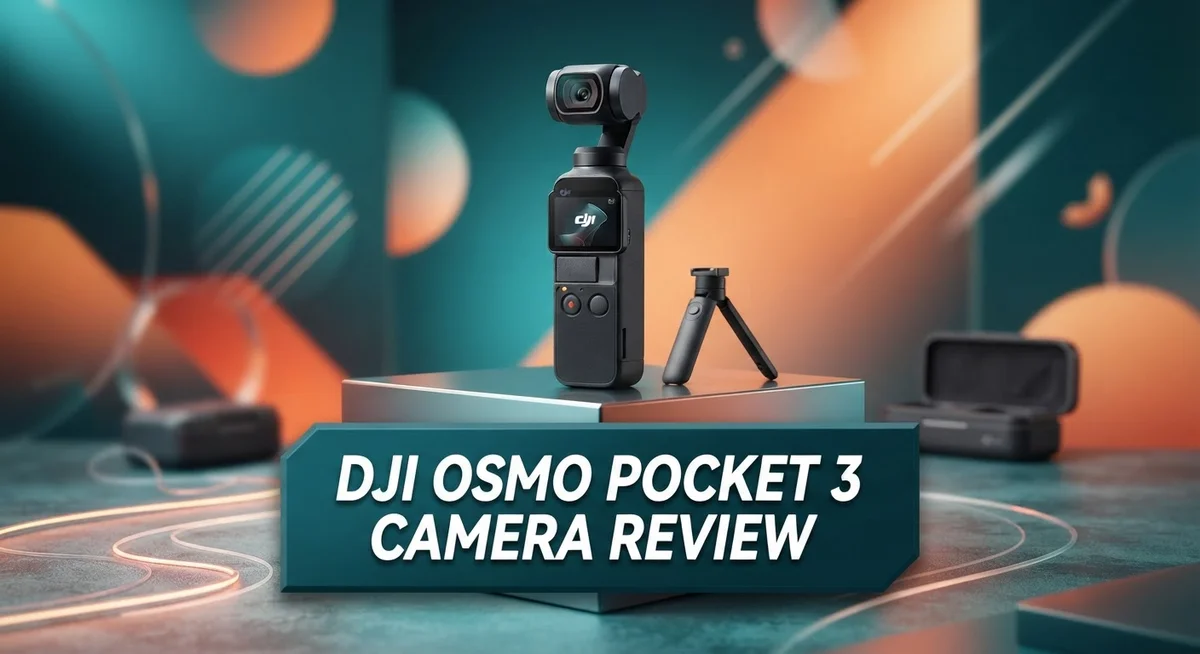
DJI Osmo Pocket 3 Camera Review 2026: Features, Performance & Stabilization
Looking for a tiny camera that shoots big results? The DJI Osmo Pocket 3 might be your answer.
This little device packs a 1-inch CMOS sensor into a body that fits in your palm. It weighs just 179g. You can slip it into your pocket and forget it’s even there.
But don’t let the size fool you. This camera shoots stunning 4K video at 120fps. Low light scenes look clean and sharp too.
The 2-inch touchscreen flips and rotates for easy framing. Vloggers and content creators will love this flexibility.
Stabilization is where this camera truly shines. Footage stays smooth even when you move fast. The gimbal handles tricky angles with ease.
Audio matters just as much as video. Three built in microphones capture clear sound from every direction.
Is the Osmo Pocket 3 perfect? Not entirely. Subject tracking drops to 2K when you push to 60fps at 4K resolution.
Still, this camera stands out in a crowded market. It competes with bigger names like Sony and Blackmagic Design.
Ready to see why creators are switching to this pocket sized powerhouse? Let’s jump into the full review.
In a Nutshell
Here’s a quick snapshot of what this camera brings to the table:
- 4K/120fps recording lets you capture smooth slow motion footage with ease
- The compact body measures just 139.7×42.2×33.5mm and weighs only 179g
- Low light performance stays sharp thanks to the large sensor design
- Three built in microphones pick up clear audio from multiple directions
- Versatile gimbal movement opens up creative angles that bigger cameras can’t match
- One limitation stands out: subject tracking does not work at 4K/60fps and drops to 2K or lower
- Compared to rivals like Sony FX30 or Blackmagic models, this pocket camera holds its own in a smaller package
This camera blends portability with serious video power. It fits in your pocket but performs like gear twice its size. Creators who want strong stabilization and audio in a tiny body will find a lot to like here. The tracking limit is a small tradeoff for everything else it offers.
Sensor and Image Quality
The 1-inch CMOS sensor is the heart of what makes this camera deliver impressive results. This larger sensor size captures more light than smaller alternatives. You get better detail and color accuracy in every frame.
The camera shoots 4K at 120 frames per second. This means you can record smooth slow motion footage without losing quality. When you slow down 120fps footage to normal speed, motion looks incredibly fluid. You can also shoot at lower frame rates if you prefer standard playback.
Low light performance stands out as a real strength. The big sensor pulls in more light when you’re shooting in dim conditions. This keeps your footage sharp and clear even without bright lighting. You won’t see excessive noise or graininess like smaller sensors produce.
Dynamic range is solid across all recording modes. You can capture bright skies and dark shadows in the same shot without losing detail in either area. Color grading in post production becomes easier because you have more information to work with.
The touchscreen shows you exactly what the sensor sees in real time. The 2.0 inch display refreshes smoothly as you move and adjust angles. This helps you frame shots precisely before you hit record.
One important note: subject tracking has limits. This feature works at 2K resolution and lower. At 4K/60fps and higher frame rates, subject tracking becomes unavailable. This is a technical trade off the camera makes to maintain video quality at those settings.
Image stabilization works hand in hand with the sensor. Together they produce footage that looks professional and polished. Movement stays smooth even when you’re walking or moving the camera quickly.
The sensor performs consistently across different lighting situations. Daytime shots look vibrant and detailed. Evening footage maintains clarity without excessive processing. This consistency makes the camera reliable for various shooting scenarios.
Overall, the sensor and image quality justify why creators choose this camera for serious work.

Last update on 2026-09-19 / Affiliate links / Images from Amazon Product Advertising API Some of the links on this website are affiliate links, which means that at no additional cost to you, I earn a commission if you click through and make a purchase. I only recommend products and services that I believe will add value to my readers. Thank you for your support!
Gimbal Stabilization and Video Performance
The gimbal in the Osmo Pocket 3 is where this camera truly earns its reputation. Three-axis stabilization keeps your footage smooth no matter how you move. You can walk, run, or climb stairs and the video stays buttery smooth. The gimbal responds instantly to your movements and corrects them in real time.
What makes the stabilization special is how it works with the large sensor. The 1-inch CMOS sensor captures plenty of light, which helps the gimbal make smarter corrections. You get professional-grade stability from a device that fits in your pocket.
The gimbal also gives you creative freedom. You can pan, tilt, and rotate to frame shots that would be impossible with a handheld camera. The motorized head lets you follow subjects smoothly or create cinematic movements. The 2-inch touchscreen makes it easy to adjust gimbal settings on the fly.
Video performance at 4K/120fps is where things get impressive. Smooth slow motion footage becomes effortless at this frame rate. Colors stay vibrant and details remain sharp even in fast action scenes. The footage looks polished straight from the camera without heavy editing.
Low light performance deserves special attention. The large sensor pulls in plenty of light when you’re shooting indoors or at dusk. Footage stays clean with minimal noise. You can shoot in challenging lighting and still get usable footage.
One limitation affects video performance. Subject tracking only works at 2K and lower resolutions. At 4K/60fps, you lose automatic subject tracking. This matters if you plan to shoot fast action in 4K without manual adjustments.
The microphone array also enhances video performance. Three built in microphones capture clean audio from multiple directions. Wind noise stays minimal thanks to the compact design. Your footage sounds as good as it looks.
Overall, the gimbal stabilization and video performance work together seamlessly. You get smooth, professional looking footage in a package smaller than most smartphones. The combination of stabilization, sensor quality, and frame rate options makes this camera a serious tool for content creators.
Design, Portability and Build Quality
The Osmo Pocket 3 fits comfortably in your pocket or small bag. Its dimensions of 139.7 by 42.2 by 33.5 millimeters make it genuinely inconspicuous when you’re out shooting. You can slip it into a jacket pocket without any hassle.
Weight matters when you’re carrying gear all day. At just 179 grams, this camera feels light in your hand. It won’t tire your arm during extended handheld shots or travel days.
The build quality feels solid and premium. The materials used can handle regular use without showing wear quickly. The compact design doesn’t sacrifice durability or functionality.
The 2.0 inch touchscreen sits on the back of the unit. It displays 556 by 314 pixels with brightness reaching 700 nits. You can see your footage clearly even in bright sunlight. The screen responds quickly to your touch commands.
Portability is where this camera truly shines. Compared to larger cinema cameras or professional rigs, the Osmo Pocket 3 is a game changer. You can take it anywhere without planning around camera size or weight. It slides into bags that wouldn’t fit other equipment.
The gimbal arm folds down when not in use. This makes the camera even more pocket friendly. Unfolding takes seconds when you’re ready to shoot.
The three built in microphones sit strategically around the body. They pick up sound from multiple directions without adding bulk. The audio setup stays integrated rather than requiring external attachments.
One design choice worth noting: the camera maintains a sleek profile. There are no protruding buttons or awkward grips. Everything flows naturally when you hold it.
The touchscreen interface makes navigation simple. You access all settings without diving into complex menus. Adjustments happen quickly so you don’t miss moments.
The overall design philosophy prioritizes both function and form. You get professional capabilities in a package small enough for daily carry. This balance makes the Osmo Pocket 3 stand out from bulkier alternatives. Whether you’re traveling, vlogging, or documenting events, the size and weight never become obstacles to your creativity.
Top 3 Alternatives
GoPro Hero 12

Last update on 2026-10-03 / Affiliate links / Images from Amazon Product Advertising API Some of the links on this website are affiliate links, which means that at no additional cost to you, I earn a commission if you click through and make a purchase. I only recommend products and services that I believe will add value to my readers. Thank you for your support!
The GoPro Hero 12 stands out as a solid alternative for creators who want reliable performance in tough conditions. This camera captures sharp 5.3K video and handles water, dust, and impacts without breaking a sweat. The rugged design means you can take it anywhere without worry.
Battery life runs strong, giving you extended shooting sessions. The intuitive interface makes it easy to start recording within seconds. Low-light performance has improved significantly, so your footage stays clear even when lighting isn’t perfect.
Insta360 X3

Last update on 2026-10-14 / Affiliate links / Images from Amazon Product Advertising API Some of the links on this website are affiliate links, which means that at no additional cost to you, I earn a commission if you click through and make a purchase. I only recommend products and services that I believe will add value to my readers. Thank you for your support!
The Insta360 X3 brings unique 360-degree capture to the table. This camera records immersive footage that lets viewers look in any direction. It’s perfect if you want creative freedom and something different from standard video.
The dual-lens system works seamlessly to create panoramic content. Stabilization keeps footage smooth during movement. The compact size fits in your pocket, making it portable for travel. If you’re exploring creative angles and immersive storytelling, this option opens new possibilities.
DJI Osmo Action 4

Last update on 2026-10-09 / Affiliate links / Images from Amazon Product Advertising API Some of the links on this website are affiliate links, which means that at no additional cost to you, I earn a commission if you click through and make a purchase. I only recommend products and services that I believe will add value to my readers. Thank you for your support!
The DJI Osmo Action 4 delivers excellent image quality with 4K recording at high frame rates. It competes directly with other action cameras while maintaining DJI’s reputation for reliability. The waterproof design handles underwater shots down to significant depths.
Magnetic mounting systems make attachment quick and secure. The touchscreen interface feels responsive and user-friendly. Color accuracy remains strong across various lighting situations. This camera works well if you want professional-grade results without the complexity of larger equipment.
Audio Capabilities and Microphone System
The Osmo Pocket 3 comes equipped with three strategically positioned microphones that work together to capture clean audio. This microphone array lets you record sound from different directions without needing external gear.
The primary microphone sits at the front of the camera. It captures sound directly in front of you, making it ideal for interviews or when you’re speaking to the camera. The positioning ensures your voice comes through clearly and naturally.
Two additional microphones sit on the sides of the unit. These side mics pick up ambient sound and help create a sense of space in your recordings. They work together to reduce wind noise and unwanted background chatter. The multi mic setup gives you flexibility that most pocket cameras simply don’t offer.
Wind noise can ruin outdoor recordings. The Osmo Pocket 3 includes a built in windscreen to help minimize this problem. You can also use the optional foam windscreen for even better protection in breezy conditions. This feature matters when you’re filming outdoors or in unpredictable environments.
Audio levels adjust automatically by default. The camera monitors incoming sound and balances it to prevent clipping or distortion. You also have manual control if you want to dial in specific levels yourself. This flexibility helps whether you’re recording a quiet voiceover or capturing loud events.
The touchscreen lets you monitor audio levels in real time. You can see exactly how loud your recording is before you hit the record button. This visual feedback prevents surprises when you play back footage later.
The audio capabilities set this camera apart from other compact options. The three microphone system handles most recording situations without extra equipment. Whether you’re vlogging, capturing interviews, or recording ambient sound, the audio quality stays consistent and professional. The combination of strategic mic placement, wind protection, and manual controls gives you the tools to get great sound every time you shoot.
Subject Tracking and Intelligent Features
The DJI Osmo Pocket 3 includes intelligent features that help you capture better footage with minimal effort. Subject tracking is one of the standout capabilities that makes this camera smart and responsive.
Subject tracking lets the camera follow your subject automatically. The gimbal keeps your target in frame while you move around. This feature works smoothly at 2K resolution and lower frame rates. However, there’s an important limitation you should know about.
At 4K/60fps and higher, subject tracking becomes unavailable. This restriction means you need to choose between maximum resolution and automatic subject following. Many creators find this tradeoff acceptable since 2K footage still delivers excellent quality for most projects. You can always switch to manual gimbal control when shooting at higher resolutions.
The intelligent features extend beyond tracking. The camera learns your shooting style over time. The touchscreen interface makes it simple to adjust tracking sensitivity. You can customize how aggressively the camera follows your subject.
Face detection works alongside subject tracking. The camera recognizes and prioritizes human faces in your frame. This feature proves incredibly useful for vlogging and interview content. The detection stays active even when you’re moving quickly.
The gimbal’s AI capabilities work seamlessly with the 1-inch sensor. Better image data means the camera makes smarter decisions about focus and exposure. The three microphones also contribute to intelligent audio management by adapting to your environment.
Gesture control adds another layer of intelligence. You can start recording or take photos using hand signals. This feature works great when your hands are full or when you want quick, hands-free operation.
The combination of these features makes the Osmo Pocket 3 feel like an extension of your creative vision. You spend less time fighting with controls and more time capturing moments. The intelligent systems work in the background to ensure consistent, professional results.
Pros and Cons
Pros
- The 1-inch CMOS sensor delivers excellent image quality with impressive low-light performance
- Stabilization is genuinely smooth, making handheld footage look professional without extra equipment
- The compact 179g design fits easily into pockets or small bags for all-day shooting
- Gimbal movement is versatile and responsive for creative camera angles
- Three strategically positioned microphones capture clear audio without external mics
Cons
- Subject tracking stops working at 4K/60fps and higher, limiting your options when you want maximum resolution
- The 2.0 inch touchscreen is small, which can make precise adjustments tricky in bright sunlight
- Battery life is modest for extended shooting sessions without carrying spares
Who Should Buy It
The Osmo Pocket 3 works best for creators who want professional footage without carrying heavy gear. You get a powerful camera that fits in your pocket, so it’s perfect for travel vloggers and content creators on the move.
If you shoot primarily at 4K/60fps and rely on subject tracking, this camera has a limitation. The tracking feature stops working at those higher frame rates. You’ll need to choose between maximum resolution and automatic subject following. This matters if you film fast-paced action where tracking saves you from manual adjustments.
Vloggers love this camera because the three microphones capture clean audio while you talk to the lens. The gimbal keeps your voice steady even when you’re walking. The touchscreen lets you monitor levels in real time, so you catch audio problems before they ruin your footage.
Filmmakers who prioritize image quality will appreciate the 1-inch sensor. It delivers excellent low-light performance, which means you can shoot in dim conditions without losing detail. The stabilization is genuinely smooth, so handheld footage looks professional without needing a tripod or slider.
Travel content creators benefit from the compact 179g design. You won’t feel it in your bag during long days of shooting. The versatile gimbal movement lets you get creative angles without extra equipment or stabilization rigs.
Street photographers and documentary makers find value in the inconspicuous form factor. The Osmo Pocket 3 doesn’t draw attention like larger cinema cameras. People feel more comfortable around you when you’re holding a compact device instead of professional-grade equipment.
If you need subject tracking at 4K/60fps specifically, look elsewhere. This limitation is the main reason to consider alternatives. However, if you’re flexible with frame rates or happy using manual control, this camera covers most creative needs.
The Osmo Pocket 3 suits anyone who values portability without sacrificing image quality. You get professional results from a device that fits in your pocket.
Final Verdict
The DJI Osmo Pocket 3 stands out as a smart choice for creators who want quality without bulk. This camera proves that small size does not mean small performance.
When you compare it to the Sony FX30 or FX3, the Osmo Pocket 3 wins on portability. Those cameras offer more manual controls, but they demand extra lenses and accessories.
Blackmagic Design cameras appeal to editors who want raw footage flexibility. The Osmo Pocket 3 takes a simpler path. It focuses on ease of use instead of complex color grading workflows.
If you want a true budget option, the AgfaPhoto Realimove MC3X exists. But it cannot match the image quality or stabilization that DJI delivers here.
Other models in the Osmo Pocket series offered good value too. This third generation pushes further with better sensor performance and smarter features overall.
Who should buy this camera? Content creators who value convenience will love it. People who switch between vlogging, travel clips, and quick social posts get a reliable tool.
Who might want to look elsewhere? Professional videographers who need full manual control for every shoot may find the touchscreen limiting during fast paced shoots.
Also, anyone who shoots long form documentary work with heavy post production needs might prefer a camera with more external monitor options.
Overall, the Osmo Pocket 3 earns its place as a top pick in the compact camera space. It blends image quality, portability, and smart features into one small body.
For most everyday creators, this camera delivers everything needed to produce polished content. The combination of stabilization, audio quality, and sensor performance makes it hard to beat at this size.
Final thought: if you want a camera that fits in your pocket but performs like something bigger, the Osmo Pocket 3 is worth serious consideration. It handles most real world shooting situations with confidence and style.
Frequently Asked Questions
Can the DJI Osmo Pocket 3 shoot in low light?
Yes, it handles low light very well. The 1-inch CMOS sensor captures more light than smaller sensors, so your footage stays clean even when the sun goes down. You get usable video in dimly lit rooms or during golden hour without heavy grain or noise.
What microphone options does this camera have?
The Osmo Pocket 3 has three built-in microphones positioned around the device. They pick up clear dialogue and ambient sound without needing external mics. This setup works great for vloggers and creators who speak directly to the camera.
Does subject tracking work at all frame rates?
Subject tracking is available, but with a catch. It works at 2K resolution and lower. When you shoot at 4K/60fps or higher, subject tracking becomes unavailable. This is the main limitation if you need both maximum resolution and automatic subject following.
How portable is this camera really?
The Osmo Pocket 3 weighs just 179 grams and measures 139.7×42.2×33.5mm. It fits into jacket pockets, small bags, or your backpack without taking up space. The compact design makes it ideal for travel, street shooting, and documentary work where you need to move fast and stay inconspicuous.
Is the touchscreen usable in bright sunlight?
The 2.0 inch screen reaches 700 nits brightness, which helps in outdoor conditions. However, the small size can make precise adjustments tricky when you’re in direct sunlight. You may need to shield the screen with your hand or adjust your angle to see the display clearly.

Hello everyone my name is Alenya and i am a gadget discovering Enthusiast 🐻🐻