SoulWit Replacement Earpads for Sony WH-1000XM4 Review: Final Verdict
Sony WH-1000XM4 headphones are a favorite for many listeners. Over time, though, the ear cushions can wear down, peel, or lose their comfort. That is where replacement earpads come in.
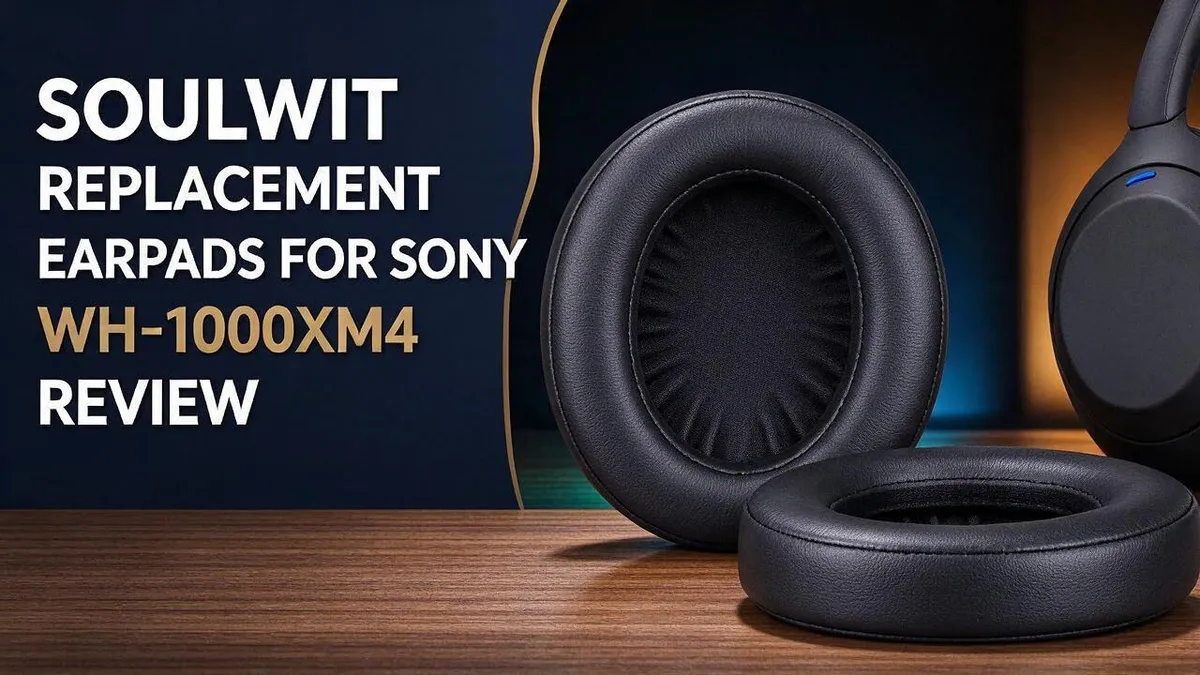
SoulWit replacement earpads offer a simple way to refresh your headphones. They use memory foam with a built in elastic sponge, so they keep their shape. The fit matches the original size, and they are made for the WH-1000XM4 only.
You can pick from several materials, including protein leather, PU leather, Micro Suede, and lambskin. Each option feels different against your skin. An extra thick version adds cushion without blocking the touch sensor on your headphones.
The brand claims better noise isolation and richer bass. One user saw improved noise cancelling with worn pads. Another reported a noise cancelling drop and stiff cushions with protein leather.
In a Nutshell
-
Fit stays simple. These earpads match the size of the original pads. They fit only the WH-1000XM4, so you should check your model number before you order. This helps you avoid a mismatch and a wasted purchase.
-
Touch controls keep working. The extra-thick version adds more padding for comfort. According to the listings, it does not block the touch sensor. You can still pause music or answer calls with a simple tap.
-
Memory foam feels cozy. A built-in elastic sponge helps the cushion keep its shape over time. Many people feel less pressure around the ears during long listening sessions, especially on busy commute days.
-
Material choice matters a lot. Protein leather is one option, but some listeners find it stiff. If you want a softer feel, you may prefer Micro Suede or lambskin for everyday wear.
-
Noise control may change. One user reported a clear drop in active noise cancelling with protein leather pads. If you rely on strong isolation, test the pads in a quiet room before you commit to them.
-
Independent reviews are limited. There is not much third-party testing available yet. Read several recent user comments and compare them with your own needs before you decide.
Materials and Comfort

Last update on 2026-11-03 / Affiliate links / Images from Amazon Product Advertising API Some of the links on this website are affiliate links, which means that at no additional cost to you, I earn a commission if you click through and make a purchase. I only recommend products and services that I believe will add value to my readers. Thank you for your support!
Your ear cushions touch your skin for hours every day. That contact shapes how comfortable your headphones feel. Many people overlook this part until pressure starts to build.
Think about heat first. Leather surfaces often trap warmth around your ears.
Micro Suede tends to feel softer on warm days, yet it can hold moisture after a workout. Choose the material that fits your daily routine.
Glasses wearers should look closely at the seal. Arms of glasses can push the cushion away from your head.
A gentle, even fit helps keep outside sound from leaking in. Measure how the pads sit before you commit.
Long listening sessions need steady pressure. Soft cushions can flatten after weeks of daily use. Balanced support keeps your ears relaxed even after several hours.
Cleaning matters too. Leather surfaces wipe down with a damp cloth.
Micro Suede needs a gentle brush to lift dust from the fibers. Regular care keeps the pads looking fresh for longer.
Try a quick comfort test. Wear the headphones for twenty minutes at home. Notice any hot spots or pinching along your jaw. Adjust the headband if needed, then decide.
Sensitive skin deserves extra thought. Some people react to certain leather finishes after long wear. Testing a pad for a few days can reveal any irritation early. Stop use if redness or itching appears.
Commuters and travelers often wear headphones in changing weather. Cold air can make some cushions feel stiffer.
Thicker padding may feel cozier during winter rides. Think about where you use your headphones most.
Everyone hears comfort differently. A pad that feels perfect to one person may feel wrong to another. Take your time and pick the option that suits your skin, climate, and habits.
A good pick feels right in daily life. Comfort grows from small details that add up over time.
Compare the options, then trust how your ears feel after an hour. Your ears will tell you what works best for your listening habits.
Fit and Sound Isolation
Sound isolation starts with a clean seal. Your ears need even contact with the cushion. Tiny gaps let outside noise slip right in.
Ear shape matters more than many people expect. Some ears sit deep inside the cushion, while others rest on the outer rim.
Try the palm test at home. Hold the headphones to your head and press one cup gently. If the sound changes quickly, your seal may be weak.
Headband tension plays a role too. A firm clamp can squeeze the cushion and push the seal out of place.
Watch for a faint whistle. Air leaks often make a soft hiss near the ear. Adjust the headband until that sound fades.
Passive isolation and active cancelling work together. The cushion blocks sound on its own. Noise cancelling then handles the low drone of a bus or fan.
Low tones rely on air staying trapped. When the seal holds, deep notes sound fuller in quiet rooms.
Test in a real noisy place. Try a busy train or a café. Notice whether voices and engine rumble fade without turning the music up.
Keep sound leakage in mind. Loud music can spill out of the cups. Coworkers may hear it, so keep the volume moderate in shared spaces.
Movement tests the fit. Walk, nod, and turn your head. If the cushion shifts, the seal breaks and noise returns.
Hair and earrings can also disturb the seal. Tuck hair behind the ear and check that earrings do not press against the pad.
Sitting posture changes things as well. Leaning back on a couch can tilt the cups. Re-seat the headphones before judging the sound.
Give the seal a full minute. Your ear adapts to the pressure after a short rest, so the fit feels more natural over time.
Take notes after each test. Write down which noises fade and which remain. This simple log helps you decide whether the new pads truly improve your listening.
Installation and Compatibility
Start with a model check. These pads fit the Sony WH-1000XM4 only. Look for the model name printed on your headphones. A mismatch means the pads will not sit properly.
The replacement pads match the size of the original cushions. That means you can skip any measuring or guessing. Most owners can finish the swap in one sitting.
Set up a clean workspace. Lay the headphones on a soft towel. Keep the old pads nearby so you can compare shapes. Good lighting helps you see the edges clearly.
Remove the old pads slowly. Start at one edge and work around the cup. Pull gently instead of forcing the cushion off. Rough pulling can damage the plastic housing.
Line up the new pad with care. Match the curve of the pad with the edge of the cup. Press evenly around the rim until it sits flat. A crooked pad can leave a gap that lets sound leak.
Repeat the process on the other cup. Hold both headphones side by side. The pads should look even and sit at the same height. Uneven pads often cause sound leaks.
Check the headband and cup alignment. Make sure each cup swivels freely after the swap. Stiff movement may mean a pad is caught on an edge. Adjust it gently before you wear the headphones.
Use the right variant for your setup. The standard and extra thick versions both fit the same headphones. Check the fit again after you pick a variant, since the thicker option changes how the cup sits.
Avoid mixing parts across models. Pads from other Sony headphones may look close but differ in shape. Matching parts keeps the seal and comfort steady. Stick with pads labeled for the WH-1000XM4.
Test the setup before daily use. Put the headphones on and sit still for one minute. Notice if any edge pinches or pulls. A comfortable setup feels even from both sides.
Keep the packaging for a few days. Save the box and inserts in case the fit does not match your headphones. This gives you an easy way to return or swap the pads.
Top 3 Alternatives
Dekoni Audio Earpads

Last update on 2026-11-03 / Affiliate links / Images from Amazon Product Advertising API Some of the links on this website are affiliate links, which means that at no additional cost to you, I earn a commission if you click through and make a purchase. I only recommend products and services that I believe will add value to my readers. Thank you for your support!
Dekoni Audio Earpads are a popular choice for comfort and sound. Many listeners like their soft protein leather covering and dense memory foam core.
They fit well over the ear and help block outside noise. Dekoni Audio Earpads suit people who want a familiar feel with a clean finish.
Wicked Cushions

Last update on 2026-11-03 / Affiliate links / Images from Amazon Product Advertising API Some of the links on this website are affiliate links, which means that at no additional cost to you, I earn a commission if you click through and make a purchase. I only recommend products and services that I believe will add value to my readers. Thank you for your support!
Wicked Cushions offers earpads known for a plush feel. They often use breathable fabric options that keep the ears cool during long listening sessions.
Many buyers also enjoy the wide range of colors. Wicked Cushions work well for anyone who wants extra comfort and a fresh look.
Geekria Earpads

Last update on 2026-11-03 / Affiliate links / Images from Amazon Product Advertising API Some of the links on this website are affiliate links, which means that at no additional cost to you, I earn a commission if you click through and make a purchase. I only recommend products and services that I believe will add value to my readers. Thank you for your support!
Geekria Earpads are a good pick for easy installation. Many kits include clear fitting steps, so the swap takes little time.
They use memory foam and a smooth outer material for daily comfort. Geekria Earpads help people who want a simple upgrade without much fuss.
Durability and Longevity
Durability decides how long your new pads stay useful. Most people want cushions that hold their shape for years, not months.
Memory foam helps here. It springs back after pressure, so the cushion keeps its form longer. The built in elastic sponge adds support underneath.
One user reported a clear benefit. After replacing worn original pads, they noticed improved noise cancelling and no peeling. That single result hints the pads may hold up well against tired originals.
Still, independent data remains limited. Few long time tests have been published yet. Treat the claims as promising, not proven.
Protein leather needs a closer look over time. One buyer described stiff cushions and a major drop in noise cancelling. Stiff material can change how the cushion sits against your head, so watch for sound changes.
Inspect the surface every month. Look for cracks, flaking, or thin spots near the edges. Early signs tell you when a swap makes sense.
Storage plays a big role too. Keep your headphones in a cool, dry case. Heat and sunlight can weaken foam and glue over time.
Give your headphones regular rest days. Less daily pressure slows the breakdown of foam and leather.
Most owners sense when pads feel flat again. Once the foam stops rebounding, a fresh pair brings back the seal and comfort.
Foam recovery is a simple test. Press the cushion with your thumb for five seconds. Watch how fast it returns to shape. Slow recovery signals wear that will affect both comfort and sound.
Travel adds stress too. Squeezing the cups into a tight bag can flatten the cushions. Give the pads room to keep their shape.
Sound quality shows wear early. Bass may fade or feel thin as the seal weakens. Noise cancelling can slip too, so note any change.
Good care stretches the life of any pad. Simple checks each month keep your Sony headphones feeling fresh for longer. Plan ahead and you avoid surprises. Keep a spare pair handy if you use the headphones daily.
Pros and Cons
Pros
– – Several material choices let you pick the feel you like.
– – The extra thick version keeps the touch controls working.
– – Friendly, soft fabrics feel smooth against the skin.
– – Many people appreciate the cushioned feel for long listening sessions.
– – One fit for one model means no guessing about sizes.
Cons
– – Few independent reviews exist to compare against.
– – Results may vary with head shape and ear size.
– – Picking the right material takes some thought.
– – Some listeners may not notice a big change in sound.
Who Should Buy It
Who should buy these pads? Most buyers already own a Sony WH-1000XM4. They notice that the cushions feel flat or worn over time. A fresh set can bring back the comfort they felt on day one.
Frequent travelers often gain the most. Long flights and train rides put steady pressure on the ears. New cushions help the headphones sit more gently on the head. Engine noise and crowd chatter can also tempt people to raise the volume. A comfortable seal helps them listen at lower levels.
Office workers who wear headphones all day also fit this group. They keep the cups pressed against their ears for hours. Video calls and long reading sessions feel more relaxed with soft surfaces. Good comfort can make focused work feel less tiring.
People who wear eyeglasses may notice a difference too. Thin frame arms can push against the seal and cause discomfort. A fresh pad can make the fit feel more relaxed.
Shared households deserve a mention. Several family members may use one pair of headphones. Replacing older pads helps keep the headphones feeling clean and fresh for everyone.
Who should skip this option? Shoppers who expect a huge jump in sound quality may feel let down. These pads change comfort and seal more than audio tuning. Buyers who need a long track record of reviews should wait. They can check again once more feedback appears.
Finally, ask yourself what matters most. If comfort, a fresh look, and a simple swap sound right, this choice suits you well.
Final Verdict
The bottom line is clear. SoulWit replacement earpads make sense for people who already love their Sony WH-1000XM4. They give worn headphones a fresh start.
Most of the praise comes from seller listings. Claims about isolation and bass sound promising. Still, treat them as starting points, not guarantees.
Think of this as a test, not a gamble. Wear the pads for a week with music you know well. Pay attention to the seal and the bass depth.
Keep the original packaging and receipt nearby. A return window gives you a safety net. If noise cancelling drops, you can send the pads back.
Patience matters here. Early comfort can change after several weeks. Give the foam and leather time to settle before you judge them.
Pair the swap with a quick sound check. Open the Sony Headphones Connect app after fitting. Run the sound settings again so the new seal gets the right tuning.
Wipe the cup area before you start. Dust and wax can block a tight seal. A clean surface helps the new pads sit flat.
Watch for warning signs. Crumbling edges, loose glue, or new rattles mean it is time to act. Good care only stretches the life so far.
Consider the bigger picture too. Pads refresh your current setup. They do not change the core design of your headphones.
Compare the fit after one month with your first week. Small changes add up over time.
Trust your own ears above all. Specs and claims matter less than daily comfort. If you enjoy the sound, the pads have done their job.
Our overall take is cautiously positive. The pads solve real wear problems for many owners. They work best when the material suits your daily habits.
Start small and see how they feel. Then decide if a full refresh suits your headphones. Your ears will tell you the answer.
Frequently Asked Questions
Will these pads fit every Sony headphone?
No. They only fit the Sony WH-1000XM4. Check your model name in the Sony Headphones Connect app or on the box before you place an order.
Which material suits a warm climate?
Fabric options like Micro Suede often feel cooler on hot days than leather. Leather can trap more heat during long calls or summer commutes. Choose the feel you prefer before you buy.
Can sensitive skin react to these materials?
Some people notice itching or redness after new pads touch their skin. Read the material list first. A quick patch test on your wrist can help you decide if the pads feel safe.
Is the swap a job I can do at home?
Yes. Many people finish the swap without help. Work slowly, and keep the small parts in one dish so nothing gets lost.
Do the pads change how the headphones sit on my head?
They can. Thicker padding may shift the pressure slightly. Try them for short sessions first, then build up to longer listening.

Hello everyone my name is Alenya and i am a gadget discovering Enthusiast 🐻🐻