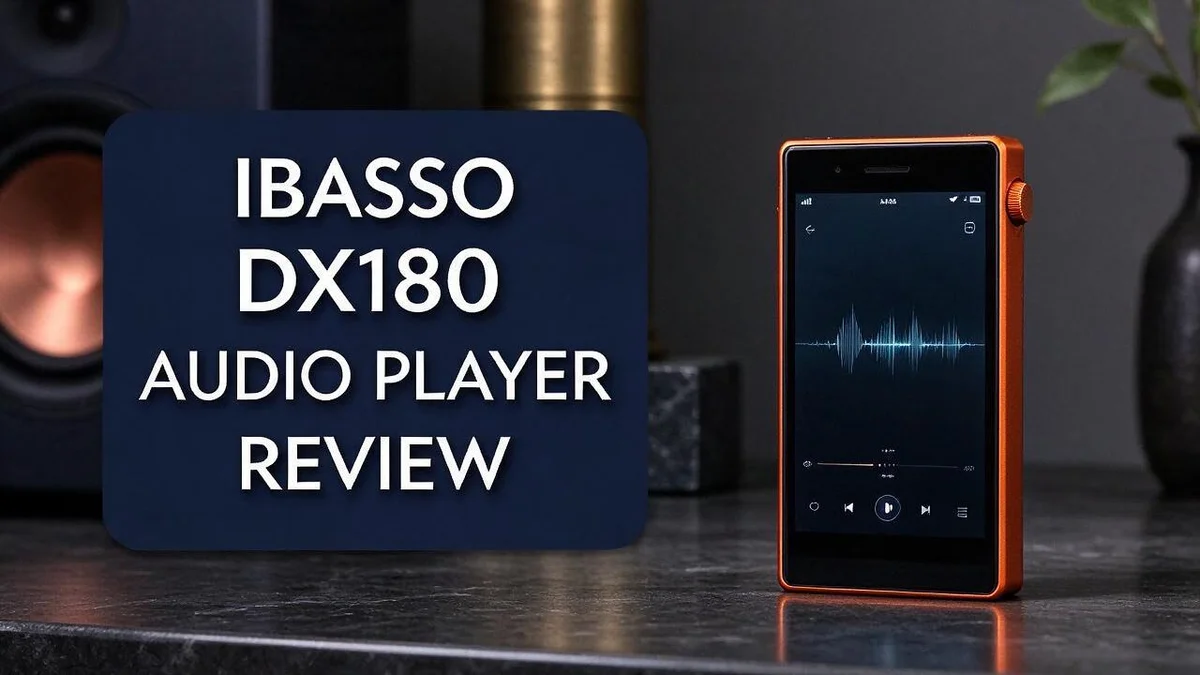
iBasso DX180 Review: Everything You Need to Know
Music lovers often look for a player that sounds great and looks great too. The iBasso DX180 aims to do both. It runs on Android 13, so it feels familiar to anyone who uses a smartphone.
Many reviewers praise its natural midrange. Vocals and instruments sound smooth and clear. The soundstage has good depth, and the resolution is solid for everyday listening.
The design also stands out. A large, striking display makes browsing your library a pleasure. Controls feel easy to use, even for first time owners.
Is it the right pick for you? This guide covers the sound, the design, and the drawbacks. One review from October 2024 mentioned weak matches, and the soundstage width is only average. Keep reading to see if the DX180 fits your listening style.
In a Nutshell
- Android 13 at the core: The DX180 runs on Android 13. You can install familiar apps and streaming services, so your music setup feels flexible from day one.
- Power for demanding headphones: Its outputs deliver plenty of power. Headphones that need extra energy can still play loud and clear without strain.
- Big screen for easy browsing: The large display makes scrolling through albums, playlists, and settings simple. Your whole library feels easy to explore.
- Depth that adds layers: The soundstage depth is a real strength. Instruments sit at different distances, so you can follow each layer of a track.
- Detail you can hear: Decent resolution brings out fine details in your recordings. Quiet moments stay clear and easy to follow.
- Points to consider before you buy: Some reviewers report a weak matches issue with certain headphones. Soundstage width is only average, so very wide, open presentations may feel limited.
Design and Display

Last update on 2026-11-06 / Affiliate links / Images from Amazon Product Advertising API Some of the links on this website are affiliate links, which means that at no additional cost to you, I earn a commission if you click through and make a purchase. I only recommend products and services that I believe will add value to my readers. Thank you for your support!
Think about where you will use your player. Some days it sits on a desk. Other days it rides in a bag or pocket. The DX180 needs to suit both settings.
Daily comfort matters more than many buyers expect. You will hold and touch this player often. Try it in your hand before you commit to a purchase.
The screen acts as your main control panel. Check how clear the text looks in bright light. Notice whether icons feel easy to read at a glance.
A clear screen helps you focus on the music. Less squinting means more time enjoying each track. Good visibility turns a nice display into a useful one.
Solid build gives peace of mind. A body that feels firm can handle bumps during trips. Pay attention to edges, buttons, and seams as you handle it.
Controls shape daily use as well. Some listeners prefer physical buttons. Others enjoy quick touch gestures. Choose the style that fits your habits.
Cable placement deserves a thought too. Long listening sessions can feel different when wires sit in the wrong spot. A simple layout keeps your setup neat.
Think about your pocket or bag too. A player that fits well feels less bulky. You will carry it more often when it feels easy to pack.
Lighting also plays a role. Test the screen in a dim room and outdoors if possible. Each setting shows how the display handles different conditions.
Weight matters for long trips. A heavier player can tire your hand during a long walk. A lighter feel makes carrying it more pleasant.
Design and display work as a team. A pleasant look and a readable screen make the DX180 enjoyable to live with. Keep your own habits in mind when you judge it.
Finally, remember that you will live with this player for years. A design you enjoy each day brings more joy to every listening session. Spend a few minutes with it before you decide.
Sound Quality and Tuning
Sound tuning shapes how your music feels. The DX180 gives you room to make it your own.
Your headphones matter just as much as the player. Pairing the device with the right pair makes a big difference.
Start by listening to a few familiar tracks. Pay attention to bass weight, treble bite, and overall balance.
Equalizer settings can help you fine tune the sound. Small changes often work better than big jumps.
Try gentle adjustments first. Move one band at a time, then listen again before changing the next.
Gain settings also affect the result. Higher gain can sound louder but may add hiss with sensitive earphones.
Check your gain level before you turn up the volume. This simple step protects your ears and keeps sound clean.
Source files shape the sound too. Lossless recordings usually reveal more detail than compressed streams.
Streaming apps vary in quality. Choose the highest setting your plan allows for the cleanest results.
Give your ears time to adjust. Many listeners need a few days with a new player before they judge the tuning fairly.
Use the same tracks for comparison. Repeat listening to one album helps you spot real differences.
Keep notes on what you hear. Writing down your favorite settings makes it easy to return later.
Quiet rooms work best for tuning. Background noise can hide subtle changes in tone and space.
Test with real music you know well. Classical, jazz, and pop each reveal different strengths.
Listen for how instruments separate from each other. Clear spacing makes complex songs easier to follow.
Watch out for listening fatigue. If your ears feel tired, lower the volume and take a short break.
Small tweaks can add up fast. Keep changes modest so you always know what made the difference.
Revisit your settings after a few weeks. Your taste may shift, and your favorite sound may change too.
Overall, the DX180 rewards patient listeners. Careful tuning can turn good sound into sound you love.
Android Platform and Software
The DX180 runs on Android, so it feels familiar to anyone who uses a smartphone. You can open apps, move between menus, and manage files with a few taps.
Software shapes how you find music. Many listeners want more choice than a basic player offers. Android opens the door to the music apps you already know.
Local files and streaming can share one device. You can play songs saved on the player and open streaming services in the same place. This setup suits listeners who switch between both styles.
Some listeners look for a different player app to handle their library. Software choice matters here, because the player app controls how albums, artists, and playlists appear on screen.
Updates keep the system fresh. Android devices receive updates over time. Check the settings menu now and then, so you do not miss fixes or new options.
Set up your home screen for quick access. Place your most used apps where your thumb can reach them. A tidy layout saves time during long commutes and quiet evenings at home.
Keep an eye on open space. Music files and apps share the same storage, so a crowded device can slow down daily tasks. Remove apps you never open and move old tracks off the player when they no longer fit your taste.
Playlists deserve a careful setup. Build a few playlists for different moods, such as focus music or relaxed evenings. Clear names make browsing faster on the large screen.
Backing up matters too. Keep a copy of your music library on a computer or drive. If something goes wrong with the device, your collection stays safe.
Test before you commit to a routine. Try each app with a few familiar songs. Notice how fast albums load and how easy it feels to skip tracks. Small tests reveal what works best for you.
Top 3 Alternatives
FiiO M11 Plus

Last update on 2026-11-06 / Affiliate links / Images from Amazon Product Advertising API Some of the links on this website are affiliate links, which means that at no additional cost to you, I earn a commission if you click through and make a purchase. I only recommend products and services that I believe will add value to my readers. Thank you for your support!
The FiiO M11 Plus is a great pick for music lovers who want Android features. It runs a full Android system, so you can stream your favorite apps with ease. Its clear touchscreen makes browsing your library quick and fun. It also offers a warm, detailed sound that works well for long listening sessions.*
Shanling M3 Ultra

Last update on 2026-11-06 / Affiliate links / Images from Amazon Product Advertising API Some of the links on this website are affiliate links, which means that at no additional cost to you, I earn a commission if you click through and make a purchase. I only recommend products and services that I believe will add value to my readers. Thank you for your support!
The Shanling M3 Ultra is a small player with a clean, simple design. It runs on an Android system and supports Bluetooth, so you can connect to wireless headphones. It fits easily in a pocket, which makes it perfect for daily commutes. Many listeners enjoy its smooth menus and balanced, natural sound.
FiiO M15

Last update on 2026-10-14 / Affiliate links / Images from Amazon Product Advertising API Some of the links on this website are affiliate links, which means that at no additional cost to you, I earn a commission if you click through and make a purchase. I only recommend products and services that I believe will add value to my readers. Thank you for your support!
The FiiO M15 sits near the top of the FiiO lineup. It features a large screen and powerful internal components for serious listeners. If you want maximum detail and control, this player delivers. It suits people who listen both at home and on the go.
Output Power and Headphone Compatibility
Output power decides how well a player drives your headphones. The DX180 offers powerful outputs, so it can push many models to a full and lively volume.
Power alone does not tell the full story. Some headphones need more push than others, while a few need very little.
Impedance is the number to check first. Impedance is measured in ohms, and most makers print it on the box or the product page. Low impedance headphones usually suit portable players well. Higher impedance models often need more power to sound their best.
Sensitivity matters just as much. Sensitivity shows how loud a headphone gets at a set power level. A sensitive pair can reach a comfortable volume with modest output, so the volume knob stays in a sensible spot.
Research on the DX180 mentions weak matches in an October 2024 review. This means certain pairings may not reach their full potential. Listeners should test their own gear before settling on a final setup.
Try a simple test. Play the same track on your headphones, then raise the volume slowly. Stop when the sound feels full and clear. If the sound turns thin or hollow at normal levels, the pairing may not suit you.
Headphone style also shapes the match. Large headphones that cover the whole ear often need more power. Earbuds and compact earphones usually need less power to sound lively.
Cable connections can change the result too. Use the output jack that matches your cable type. Check your connector size before you buy an adapter, since a poor fit can cause loose or weak sound.
Matching gear takes a little patience. Try a few headphones if you can. Small changes in power and fit often lead to a big improvement in how your music sounds.
The DX180 gives you a strong starting point. Pair it with headphones that suit your listening habits, and enjoy clear, detailed sound.
Pros and Cons
Pros
- Natural midrange makes vocals and instruments sound lifelike.
- Flagship level sound gives everyday listening a premium feel.
- Good soundstage depth gives your music a sense of space.
- Decent resolution helps you hear fine details in your tracks.
- Striking looks and ease of use make it pleasant to handle.
Cons
- Average soundstage width feels less wide than the depth.
- An October 2024 review flagged a second issue without naming it.
- Few direct rivals are named, so comparing options takes more effort.
- The exact screen size is not clearly listed in the specs.
Who Should Buy It
The iBasso DX180 suits listeners who want a dedicated music device. It works well for people who prefer keeping their phone free for calls and messages.
Android fans will feel at home here. The system runs Android 13, so familiar app habits carry over.
Dedicated listeners often spend long hours with their music. They want a player that feels comfortable in the hand. This device gives them that daily comfort.
Browsing a large collection on a dedicated screen can feel more relaxed than scrolling through a crowded phone. Songs and albums stay easy to find.
Home listeners can use it as a desk companion. Keep it near your computer or bedside table so music is always close by. It sits nicely beside a notebook while you work or read.
Tinkerers may enjoy it the most. They can adjust settings, test different apps, and keep tweaking until everything feels right. For these buyers, setup becomes part of the fun.
Casual listeners may prefer a simpler option. If you only play a few songs now and then, your phone may do the job. Save this player for days when sound quality matters most.
Some buyers want a fresh start with their gear. Replacing an old player can bring excitement back to your routine. New gear often encourages people to listen more often.
Travelers who carry music everywhere can bring it along. Its eye-catching design makes it a pleasure to pull out on a train ride or a long flight. Pack a good cable and a charger, and you are ready to go.
Shoppers who want clear proof before buying should read more than one review. Opinions can differ, so compare several sources. Look for reviewers who test with headphones similar to yours.
In short, the DX180 fits people who love sound and style. It suits dedicated listeners, Android fans, and tinkerers. Casual users may find that a phone covers their needs just fine.
Final Verdict
The iBasso DX180 earns a strong place on your shortlist. It brings together natural vocals, a striking design, and a simple daily routine. Still, a few drawbacks deserve a close look before you decide.
Who should buy it? Listeners who want a dedicated music device will feel right at home. If your phone feels crowded with messages and alerts, this player offers a calmer space for music.
Who should look elsewhere? Buyers chasing a huge, sweeping stage may want to listen first. The player shines with depth, yet the stage may feel less wide than some listeners expect. Listen to a few tracks you know well, and judge it yourself.
Take the weak matches issue seriously. An October 2024 review flagged it, so the risk is real. Bring your favorite headphones to a store if you can. Otherwise, check the return policy before you order.
Accept the unknowns for now. The research does not name the second issue from that review. It also leaves out the exact screen size and any direct rivals. Ask the seller about those details, and read fresh reviews to fill the gaps.
Compare with a clear checklist. Write down your top three priorities first. Then list your headphones, your listening habits, and the places you will use the player. Line up two or three options side by side. This simple method keeps the choice fair and focused.
Think about your daily routine. A commuter may need a device that slips easily into a bag. A desk listener may enjoy browsing a large library on a dedicated screen. Match the player to your habits, not just the features on paper.
The final call. The DX180 suits focused listeners who want a calm, dedicated player with a stylish look. Test it with your own gear, and trust your ears above all else. With the right match, this player can feel like a trusted companion for years.
Frequently Asked Questions
Who should try the DX180 first?
Listeners with a large local music library often enjoy the DX180 the most. Its dedicated screen makes browsing albums feel calm and organized. People who want music on its own device, away from social apps, will likely appreciate this setup.
Does the DX180 sound natural with voices?
Yes, the midrange sounds natural and clear. Vocals and acoustic instruments can feel lifelike and easy to follow. Many reviewers describe the sound as flagship level, which is a strong sign for a device in this class.
What should I test before I buy?
Bring your own headphones and a few favorite albums. Pay close attention to how well the player works with your gear, since reviewers raised weak matches as a concern. Listen for at least twenty minutes so you can judge comfort and detail with confidence.
Can the DX180 replace my phone for music?
For most listening sessions, yes. Keep your phone for calls and messages. This split keeps your music focused and free from alerts, so your listening time stays peaceful.

Hello everyone my name is Alenya and i am a gadget discovering Enthusiast 🐻🐻