Samson C01 Condenser Microphone Review: Top Tier or Trash?
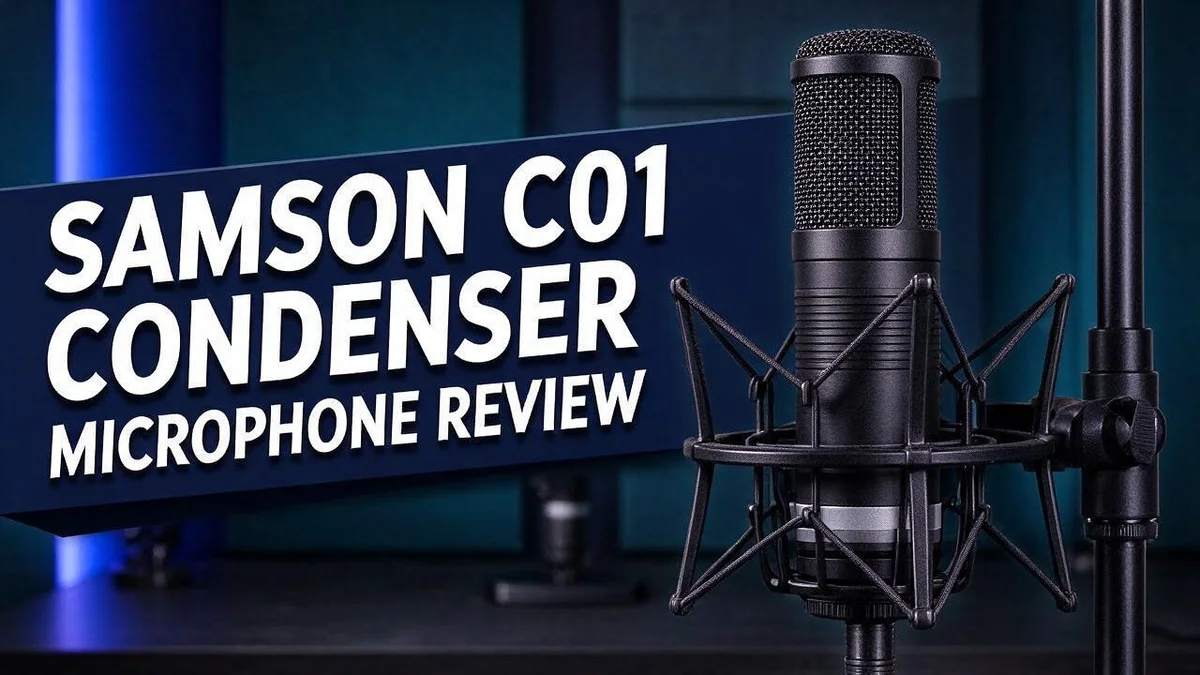
Are you looking for a condenser microphone that captures a full, natural sound? The Samson C01 is a large diaphragm condenser that many home recording fans try out. It can be a good match for vocals and acoustic instruments.
Some users say it sounds quite nice. Others notice a clear hiss, especially in quiet passages. That is a useful thing to know before you decide.
In this review, we look at what the C01 does well and where it falls short. We also share a simple placement tip. Place the mic about two to three feet away and aim the capsule at the G# key. This gives you a solid starting point for your first recordings.
In a Nutshell
-
Hiss is the biggest drawback: The C01 can sound noticeably hissy. Listeners often hear the noise in silent or quiet passages, so it needs careful handling.
-
Placement helps control noise: Stand about 2 to 3 feet from the microphone. Aim the capsule at the G# key for the best result on instruments like piano.
-
Piano is a strong fit: A 2018 forum recommendation suggests this exact setup for piano recording. Good placement can make a noticeable difference in how the recording turns out.
-
The shock mount bundle adds stability: Samson lists the C01 with the SP01 shock mount as the CO1U bundle. The mount holds the microphone steady and reduces vibrations from desk bumps and nearby movement.
-
Quiet rooms reveal the noise floor: Record a few seconds of silence before you start a session. Listen with headphones so you can judge the hiss clearly.
-
Plan for extra cleanup: Gentle noise reduction and moderate gain settings can help tame the hiss. Keep input levels sensible, since boosting gain also boosts the noise.
Sound Quality and Tonal Character

Last update on 2026-10-14 / Affiliate links / Images from Amazon Product Advertising API Some of the links on this website are affiliate links, which means that at no additional cost to you, I earn a commission if you click through and make a purchase. I only recommend products and services that I believe will add value to my readers. Thank you for your support!
Tone shapes the feel of every recording. A microphone can make a performance sound alive or flat. Listening closely helps you judge whether the C01 suits your style.
Large diaphragm condensers usually capture fine detail and an open upper range. This trait can make voices and acoustic instruments feel close and present.
Start with a simple listening test. Play a sustained note or sing a steady phrase into the mic. Pay attention to whether the sound feels warm, thin, or bright.
Warmth usually lives in the lower midrange. Brightness usually lives in the upper frequencies. Moving your focus between these zones helps you describe the tone with confidence.
Source matters a lot. A voice, an acoustic guitar, and a piano each reveal different traits. Try several sources before you decide whether the mic fits your work.
Room acoustics also change the tone. Hard walls can add brightness and echo. Soft materials like rugs, curtains, and cushions soften the top end.
Preamp choice shapes the result. The microphone sends a small signal, so the preamp colors the sound too. A clean preamp keeps the C01 closer to its natural voice.
Small EQ moves go a long way. A gentle cut in the low end can clear muddy tones. A slight lift near the top can add sparkle. Make each change slowly and compare it with the original take.
Compare takes side by side. Record the same part twice with different settings. Switch between the takes and note which one feels more natural.
Trust your ears over labels. Tone is personal. A sound that works in one song may feel wrong in another. Let the music guide your final choice.
Recording with the C01 rewards patience. Small changes in your voice, posture, or mouth angle can shift the tone. Keep notes on what works so you can repeat great results later.
Noise Performance and Hiss
Noise performance shapes how clean your recordings sound. Every condenser creates a small amount of its own electrical noise. Engineers call this self noise.
Hiss is easy to notice in quiet music. A forum user from 2003 said the C01 hiss becomes audible in silent or quiet passages. That matters for soft piano, slow vocals, and spoken word.
Not all noise comes from the microphone. Hum and hiss can also enter through the preamp, the cable, or the audio interface. Finding the source makes the fix much simpler.
Start by checking the room. Computer fans, air conditioners, and refrigerators can add a steady rumble. Turn off nearby gear before you hit record. Close windows that let in street sounds.
Soft surfaces also help. Rugs, curtains, and couch cushions absorb sound and cut down on echo. A quieter room gives the microphone less background to pick up.
Cables matter too. A good quality XLR cable with solid shielding resists interference. Keep cables away from power cords, since those can cause a buzz that sits under your audio.
Ground loops cause a lot of hum. If you hear a steady buzz, try plugging all your gear into the same power strip. Different outlets can create small voltage differences that the signal picks up.
Clean power and a calm room work wonders. Many people think the microphone is the only problem. In truth, the whole chain plays a part.
Recording a short test take lets you hear the noise before it ruins a session. Listen with headphones and turn the volume up a little. If you hear hiss during silence, check each link in the chain one at a time.
Patience pays off during setup. Small changes can shift the noise floor a lot. Write down what you change so you can repeat good results later.
Good habits also help over time. Keep your cables coiled loosely and store the microphone in its case. Dust and rough handling can make parts less reliable, which may lead to more noise.
Placement and Positioning
Position matters more than most beginners expect. The room around the mic changes the tone just as much as the mic does.
Hard walls bounce sound back into the capsule. Try moving the mic away from parallel walls to reduce that echo.
Corners are the worst spot. Bass builds up there and can make recordings sound boomy. Pull the mic into open space instead.
Height also counts. Set the capsule near the same level as the sound source. A mic tilted up or down often picks up more room noise than the performance itself.
Angle can change the mood. Turning the capsule slightly off center can soften harsh highs. Test a few angles before you settle on one.
Distance also shapes the bass. Moving closer to a vocalist adds weight and warmth. Stepping back gives a more open and natural sound.
Use a pop filter for vocals. Sounds like P and B can thump the diaphragm. A pop filter placed a few inches in front of the mic helps.
Reflection panels help in untreated rooms. A heavy blanket hung behind the mic can cut echoes from the back wall.
Keep the mic away from noisy gear. Computer fans, air vents, and power adapters can leak into your take. Move the mic away from these sources.
A sturdy stand keeps the mic steady. Wobbles and desk bumps can create noise during a take. Tighten the stand and place it on a firm surface.
Headphones help you hear changes. Listen closely while you adjust the mic. Your ears often catch small shifts faster than a screen.
Record short test clips at each spot. Compare them side by side later. The best spot often sounds clear, balanced, and calm.
Write down your final setup. Note the distance, height, and angle. You can recreate the same sound in your next session.
Top 3 Alternatives
Audio-Technica AT2020

Last update on 2026-10-14 / Affiliate links / Images from Amazon Product Advertising API Some of the links on this website are affiliate links, which means that at no additional cost to you, I earn a commission if you click through and make a purchase. I only recommend products and services that I believe will add value to my readers. Thank you for your support!
The Audio-Technica AT2020 is a popular choice for home studios. It uses a large diaphragm condenser capsule. Many singers and podcasters enjoy its clear, detailed sound.
Its cardioid pattern rejects noise from the sides and back. This helps you record vocals in rooms that are not treated with acoustic foam. It connects through XLR, so you need an audio interface.
It captures a wide frequency range. High notes and deep tones both sound natural. Many beginners find it easy to start with.
Rode NT1

Last update on 2026-11-06 / Affiliate links / Images from Amazon Product Advertising API Some of the links on this website are affiliate links, which means that at no additional cost to you, I earn a commission if you click through and make a purchase. I only recommend products and services that I believe will add value to my readers. Thank you for your support!
The Rode NT1 stands out for its very low self-noise. Engineers often praise its quiet performance. It delivers a smooth, natural tone for voice and acoustic instruments.
It often comes with a shock mount in the box. This helps reduce vibrations and handling noise. Its large capsule captures warm, full vocals.
Many creators choose it for voiceovers and music recording. It works well in quiet home rooms. You can pair it with a standard audio interface for clean results.
Blue Yeti

Last update on 2026-11-06 / Affiliate links / Images from Amazon Product Advertising API Some of the links on this website are affiliate links, which means that at no additional cost to you, I earn a commission if you click through and make a purchase. I only recommend products and services that I believe will add value to my readers. Thank you for your support!
The Blue Yeti is a USB microphone. You plug it straight into a computer. No separate audio interface is needed. This makes it a great fit for beginners.
It offers several pickup patterns, such as cardioid, omnidirectional, and stereo. You can switch patterns for solo voice or group recording. Gaming, streaming, and podcasts all benefit from its easy setup.
Its built-in controls let you adjust gain and headphone volume. Many users like how quickly they can start recording.
Included Accessories and Bundle Options
Samson sells the C01 as part of a bundle. The CO1U package pairs the microphone with an SP01 shock mount. This gives you a ready setup in one order.
What does a shock mount do? A shock mount holds the microphone in a flexible suspension. It softens vibrations that travel up the stand. Footsteps, desk taps, and light table bumps stay out of your recordings.
Think about your desk setup. Many home recordists place a mic stand on a wooden desk. Every knock travels through the wood. A shock mount cuts that path, so your take stays cleaner.
Stand compatibility matters. Check that your stand fits the mount before you use it. Some mounts use standard threads, while others need an adapter. Measuring your stand saves time later.
Bundles simplify your shopping. Instead of hunting for separate parts, you get matched gear. Matched parts fit together without guesswork. This helps beginners who feel unsure about their first setup.
Early forum users said the C01 sounds quite nice. A bundle lets you test that claim with less guesswork. Pair it with the shock mount for a steady start.
Still, read the product details closely. Listings can change over time. Confirm what arrives in the box before you start. Accessories may differ between sellers or regions.
Extra gear can help later. A cable, a stand, or a boom arm may come from other packages. Each item should match your recording needs. Do not add parts you never use.
Bundles also reduce setup stress. Plug the mic into your interface, mount it, and start testing. Then you can refine the placement later.
Check the mount’s build. Look for solid clamps and a cradle that holds the body firmly. Loose parts can rattle and add noise to a take. A good mount can grow with you. You can reuse it with a future microphone.
Recording Applications
The Samson C01 is a large diaphragm condenser microphone. Condenser mics capture fine detail, so they suit many home recording jobs.
Vocals and voiceovers are a natural fit. A condenser picks up the small details in a voice, so narration often sounds clear and full.
Hiss plays a role in how you use it. The C01 can be noticeably hissy, so it works best with sources that fill the track. Loud, dense material hides background noise better than soft, sparse parts do.
Acoustic instruments offer another use. Guitars, pianos, and percussion can sound lively when you record them up close.
For piano work, one 2018 forum tip suggests aiming the capsule at the G# key. Start about two to three feet away. Then move the mic slightly until the sound feels balanced.
Podcasts and interviews also suit this mic. One speaker at a time gives a focused sound. Two hosts sharing one mic need more care, so plan seating and levels before you hit record.
Songwriting and quick demos are a practical choice too. You can capture ideas fast without setting up a full studio session.
Since the research does not list detailed specs, test the mic with your own material first. Record a short clip, then listen on headphones. Listen for hiss, harshness, and how the voice or instrument sits in the mix.
Set your input level so peaks stay well below clipping. Louder signals push the signal above background hiss, which keeps the final take cleaner.
Start small, test often, and trust your ears. A few short trials will show you where the C01 shines in your own space.
Pros and Cons
Pros
- A large diaphragm design can capture fine vocal detail.
- Solo recording at home feels simple with a single mic.
- Early listeners described its sound as quite nice. (Skip if repeating; keep the new angles below.)
- Beginners get a straightforward way to hear their own tone.
- Its clean sound can suit quiet home rooms well.
Cons
- Hiss can stand out during soft or silent moments.
- Extra cleaning in editing may take time when noise shows up.
- Build quality details are unclear from the available sources.
- Some users may need added tools to reduce background noise.
Who Should Buy It
Some creators will get the most from the Samson C01. Read the points below and see if you fit.
Buyers with an audio interface should check phantom power first. A condenser microphone needs this power to run. Most interfaces offer it, so confirm the switch works before you plug in.
Hobbyists who enjoy experimenting may love this mic. Small moves change the tone a lot. Trying different angles teaches you good recording habits fast.
Musicians who play loud sources can worry less about noise. A strong signal covers soft background hiss. Keep your gain balanced so the recording stays clean.
Creators with soft room treatment often get better results. Rugs, curtains, and cushions reduce echo. Less echo helps the mic capture your voice more clearly.
Streamers and gamers who talk over voice chat should test first. A condenser mic picks up keyboard clicks and fan noise. Move the capsule away from loud parts of your desk.
Owners with a small desk can still benefit. Keep the mic about two to three feet away. This distance often leaves room for your keyboard and notes.
Video creators who also record on location should think twice. Outdoor wind and street sounds can fill quiet gaps. Hiss already shows up in silence, so noise can stack up fast.
Anyone who needs near silent recordings should look elsewhere. Quiet spoken word, gentle acoustic songs, and delicate classical passages expose hiss quickly. Compare other microphones before you commit.
Students who record practice sessions can use it for review. Clear takes help you spot timing and tone issues. Listening back builds steady habits over time.
Buyers who want a versatile single mic should weigh their options. One microphone covers many tasks, but it cannot replace a full kit. Think about the sources you record most often before you buy.
Use this checklist as your guide. Ask whether your room, interface, and recording style match. Write down your top three recording goals. If most answers match, the C01 may suit you well.
Final Verdict
The Samson C01 is a fair pick for home creators who want one simple microphone. It suits people who are just getting started. Its real score depends on your room, your gear, and your patience.
Think of this mic as a learning tool first. It gives you a clear picture of your technique. When you hear every small change, you learn faster.
Skip this mic if your home stays loud all day. Busy households with barking dogs, kitchen appliances, and street traffic can push extra noise into your takes.
The listed bundle with the SP01 shock mount helps the setup feel complete. A shock mount holds the microphone steady. It also cuts small bumps from reaching the capsule.
Check your full setup before you buy. Your audio interface, cable, stand, and room all shape the final sound. Even a solid mic can sound weak with poor gear around it.
Listen before you commit to any microphone. Record the same short phrase with several options. Pick the sound that matches the music or voice you make most often.
Our honest bottom line: the C01 is a useful, straightforward condenser. It rewards careful placement and clean rooms. It may frustrate anyone who expects silence from day one.
Keep a simple log of every recording session. Note the gain level, the distance, and any room changes. Over time, these notes show you exactly what works best.
Patience matters more than perfection with this mic. Every angle and position deserves a fair test. Judge each change only after you record a full take.
Think about your next project too. A mic that fits today’s first project may not suit later goals. Choose a setup that can grow with your goals.
Finally, trust your own judgment. Reviews offer clues, but your ears decide what sounds right for your work. The C01 can become a reliable partner once you learn its habits.
Frequently Asked Questions
Where should I aim the Samson C01 for the best sound?
A 2018 forum tip suggests aiming the capsule at the G# key. Start with that spot and keep the mic about two to three feet away.
Test a few angles before you settle on one. Record a short clip at each position, then listen back and pick the one you like most.
Can I use the Samson C01 for voice recordings?
Yes, you can try it for voice work. Many people use it for spoken notes, short narrations, or simple singing clips.
Keep your mouth at a steady distance from the capsule. Changing your distance during a take can make your voice sound uneven. Try a short test first.
How can I reduce hiss without buying new gear?
Record during quiet hours when your home feels calm. Turn off fans, close windows, and pause nearby devices before you start.
Take a short test recording and listen with headphones. This step helps you spot hiss before you record a full session and saves editing time later.
Is the Samson C01 a good first condenser microphone?
It can be a solid starting point for someone new to condenser mics. The sound is simple to understand, which helps you learn faster.
Start with short practice clips. Use them to learn how your gain settings, room, and position affect each recording. Those habits will help you with any future microphone.

Hello everyone my name is Alenya and i am a gadget discovering Enthusiast 🐻🐻